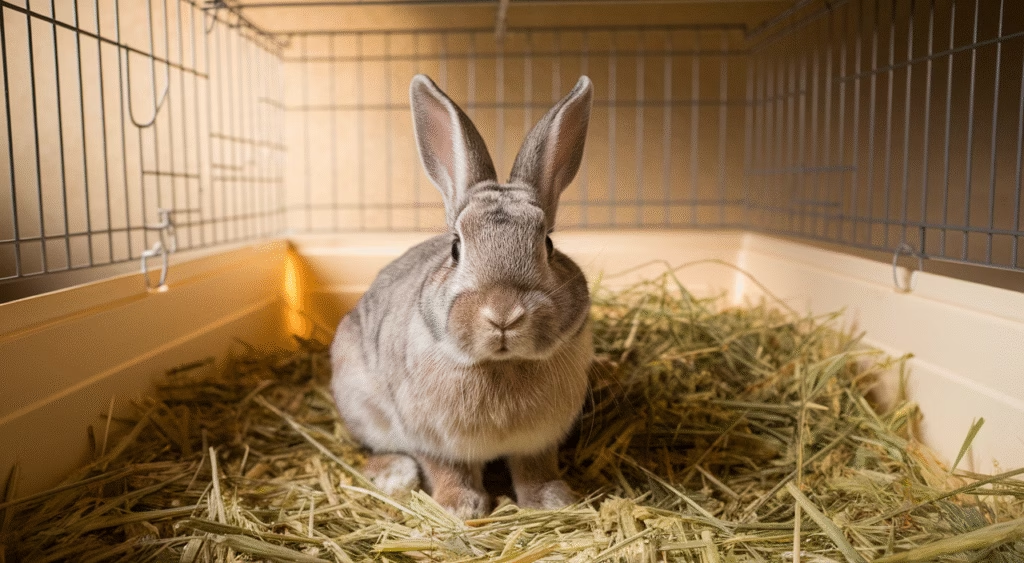
What Is the Best Indoor Rabbit Cage and How Do You Choose One?
The best indoor rabbit cage provides ample space for your rabbit’s breed, supports natural behaviors, offers excellent ventilation, and keeps your bunny secure from indoor hazards. Choosing the right indoor rabbit cage involves more than just picking the biggest or cheapest option—it’s about understanding your rabbit’s physical and emotional needs. Let’s explore how to select the perfect secure cage that will keep your bunny happy and healthy.
TL;DR: Choosing the Best Indoor Rabbit Cage
- Consider Cage Type: Wire-sided cages offer superior ventilation but require flooring adaptations. Solid plastic cages retain warmth but need good airflow.
- Prioritize Size: Bigger is better—your rabbit should be able to stretch, hop, and lounge in comfort.
- Ventilation Matters: Choose well-ventilated cages to prevent respiratory issues and odor buildup.
- Secure = Safe: Select secure cages with lockable doors to prevent escapes or predator access (even indoors!).
- Match the Breed: Larger breeds like Flemish Giants need more space and structural strength than dwarf rabbits.
- DIY Options Exist: With the right safe materials for indoor rabbit cages, building a custom enclosure is totally doable—and sometimes better!
- Keep it Clean: Routine cleaning is essential for health. Use non-toxic products and sanitize weekly.
Types of Indoor Rabbit Cages
1.1 Wire-Sided Cages

Wire-sided cages are among the most popular indoor rabbit cages—and for excellent reasons. Their open design provides superior airflow, making them some of the most well-ventilated cages available. They allow odors to dissipate naturally while keeping your bunny visible and socially engaged with your household.
However, wire-sided cages often come with wire flooring, which can be harsh on sensitive rabbit feet. You’ll want to cover any wire floors with a solid, flat surface such as a resting mat or piece of plywood covered in washable fleece. This modification gives your bunny comfort while maintaining the ventilation benefits that make these cages so effective.
1.2 Plastic Cages
Plastic cages offer quieter, cozier environments for some bunnies. They typically feature a solid plastic base with a wire or mesh top. These secure cages work well for smaller breeds or nervous rabbits that prefer visual privacy.
The main drawback? Limited airflow compared to wire-sided cages. Without proper ventilation, these enclosures can trap odors and moisture. Look for models with wide mesh panels or consider modifications to increase airflow and create better ventilated bunny homes.
Key Features to Consider
2.1 Ventilation
Poor ventilation creates more than unpleasant odors—it poses serious health risks. Ammonia buildup from urine can cause respiratory distress in rabbits, especially in enclosed spaces. That’s why well-ventilated cages aren’t just preferred—they’re essential for your rabbit’s health.
Choose indoor rabbit cages with side vents, mesh panels, or removable tops. Avoid solid lids without built-in air circulation unless they’re used temporarily for specific situations.
2.2 Size and Space
Imagine spending most of your life in a space the size of a laundry basket—that’s what many domestic rabbits endure with undersized cages. The best indoor rabbit cage should be at least 3 to 4 times the size of your rabbit when lying fully stretched. For multiple rabbits, consider playpen-sized or even larger durable rabbit enclosures.
| Rabbit Weight | Minimum Cage Size |
|---|---|
| 2-4 lbs (e.g., Netherland Dwarf) | 24″ x 36″ |
| 5-10 lbs (e.g., Rex) | 30″ x 48″ |
| 10+ lbs (e.g., Flemish Giant) | 36″ x 60″ or custom pen |
2.3 Security
Your rabbit might live indoors, but that doesn’t eliminate all risks. Cats, electrical cords, children—indoor environments still present hazards. Secure cages with lockable doors and chew-proof materials are essential safety features.
Choose secure cages made with chew-resistant coatings and reliable locking mechanisms, especially when you can’t supervise your rabbit constantly.
How to Choose the Best Cage for Your Rabbit
3.1 Choosing Based on Breed
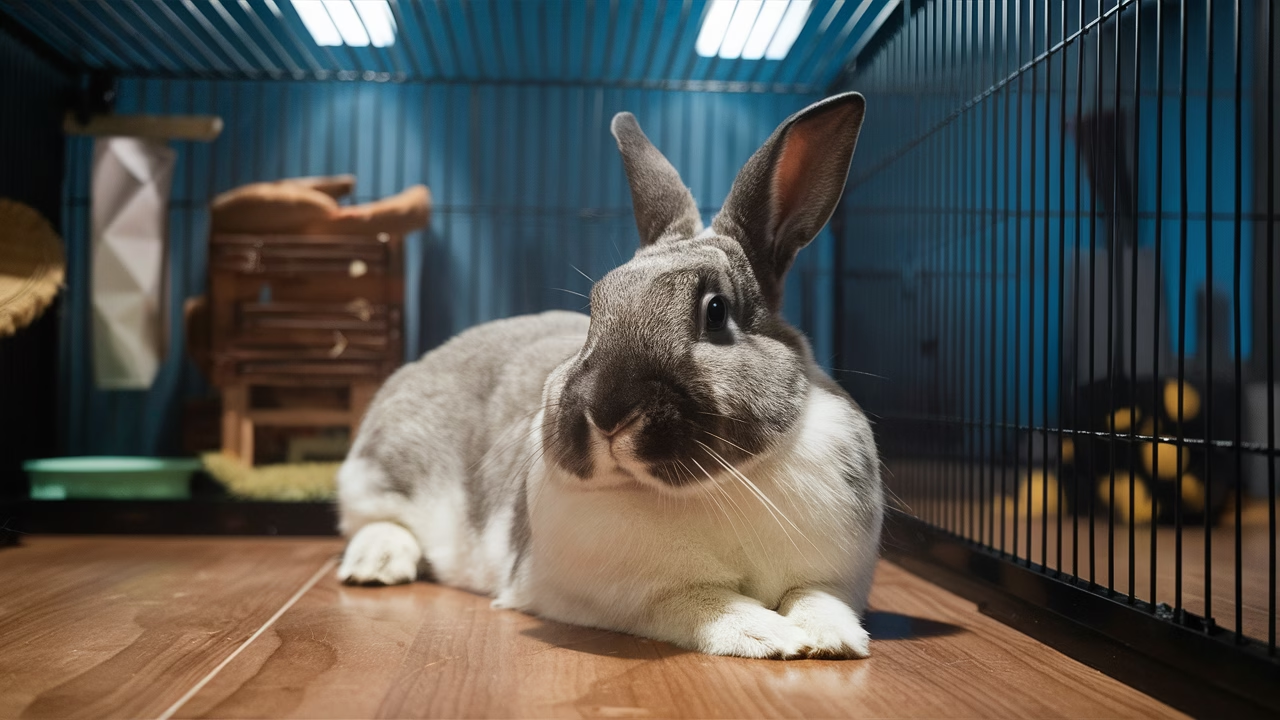
A small cage for a large rabbit is like trying to fit an adult into a toddler’s chair—it’s neither safe nor comfortable. Size, weight, temperament, and activity level all influence which indoor rabbit cages work best.
- Dwarf Breeds: Generally adapt well to structured enclosures but still need adequate space for litter boxes, hiding spots, and exercise.
- Medium Breeds: Consider modular systems or large well-ventilated cages with room for accessories.
- Large Breeds: Require custom setups, x-pens, or multi-level condos with ramps. Durable rabbit enclosures are absolutely essential.
3.2 DIY Cage Ideas
If you’re creative or handy, DIY indoor rabbit cage ideas can provide the perfect solution. You’ll have complete control over space utilization, materials, and aesthetics to seamlessly integrate with your home decor.
Popular DIY approaches include:
- Repurposed furniture like old cabinets transformed into rabbit condos
- Multi-cube storage grids connected with zip-ties for flexible, modular enclosures
- Wooden frame structures with wire mesh sides for visibility and airflow
Always use safe materials for indoor rabbit cages, including untreated wood and powder-coated wire rather than galvanized metal that may contain harmful zinc.
Maintenance and Cleaning
4.1 Safe Cleaning Products
Cleaning your rabbit’s cage isn’t just about eliminating odors—it’s a crucial health routine. However, many commercial cleaners contain chemicals that can trigger allergies or prove toxic to rabbits. Stick to rabbit-safe solutions like diluted white vinegar (excellent for odor and stain removal) or enzyme-based pet cleaners specifically labeled safe for small animals.
4.2 Regular Cleaning Schedule
Here’s an effective cleaning routine that works well for most indoor rabbit cages:
- Daily: Remove soiled bedding and uneaten vegetables. Refresh hay and litter supplies.
- Weekly: Perform deep cleaning—wipe down all surfaces, scrub litter boxes thoroughly, replace cage liners.
- Monthly: Sanitize all cage accessories and clean the area surrounding the enclosure.
Regular inspection of your secure cages for wear and damage is equally important. Chewed edges or rusted wires can cause injuries if left unaddressed.
Conclusion: Happy Living Spaces for Happy Bunnies
When selecting indoor rabbit cages, there’s no universal solution. Each rabbit has unique personality traits and specific needs, and your cage choice should reflect these individual requirements. Whether you’re housing a single calm Netherland Dwarf or multiple curious lops, success depends on adequate space, proper ventilation, and secure construction. Remember, the best indoor rabbit cage should never feel like a prison—it should serve as a comfortable home base where your bunny feels safe, clean, and free to express natural behaviors.
Take time to carefully evaluate your options, materials, and design features—your rabbit will reward you with binkies, affectionate licks, and long, relaxed stretches under your caring watch.
Cost Comparison Guide for Indoor Rabbit Enclosures
| Cage Type | Estimated Cost | Best For |
|---|---|---|
| Wire-Sided Cage | $50 – $150 | Ventilation & Size Options |
| Plastic Cage | $40 – $100 | Beginner Rabbit Owners |
| X-Pen Enclosure | $60 – $200 | Large or Multiple Rabbits |
| DIY Cage (custom build) | $30 – $120 (materials) | Customized Solutions |
Frequently Asked Questions
What size cage does a rabbit need indoors?
At minimum, indoor rabbit cages should be 3–4 times the rabbit’s full stretched-out length. Larger breeds need even more space, often benefiting from pen-style or custom enclosures.
Are wire cages bad for rabbits?
Wire-sided cages are excellent for ventilation, but wire floors can harm rabbit feet. Always line the base with solid materials or soft pads to prevent sore hocks while maintaining the benefits of well-ventilated cages.
Can I build my own indoor rabbit cage?
Absolutely. With proper planning and safe materials for indoor rabbit cages, DIY options can be both budget-friendly and perfectly tailored to your rabbit’s needs. Modular cubes, repurposed furniture, and wood-wire builds are popular choices.
What materials are safe for rabbit cages?
Use untreated wood, powder-coated wire (avoid zinc-galvanized), and BPA-free plastics. Avoid painted wood or materials containing potential toxins when selecting safe materials for indoor rabbit cages.
How often should I clean my rabbit’s indoor cage?
Daily spot-cleaning and weekly deep cleaning are recommended for all indoor rabbit cages. Monthly sanitization of accessories helps reduce illness risks and maintains healthy ventilated bunny homes.
Is one cage fine for two rabbits?
Only if the cage is appropriately sized and the rabbits are bonded. Look for the best indoor cages for multiple rabbits or build larger pen environments to accommodate both animals comfortably.
Do rabbits need time outside the cage?
Absolutely. Even the best indoor rabbit cage isn’t a substitute for exercise. Rabbits need supervised, bunny-proofed playtime outside their secure cages daily.