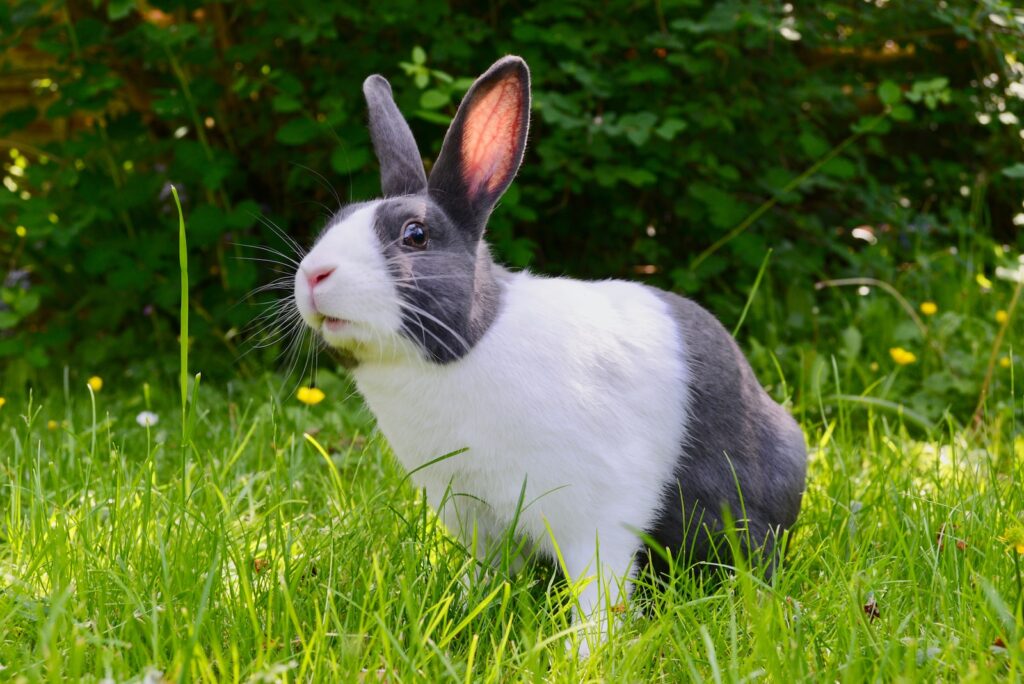
What is the best rabbit breed for family homes?
The best rabbit breed for family homes combines gentleness, patience, low-maintenance care, and a love for interaction. Based on years of working closely with rabbit-owning families, top contenders include Flemish Giants, Holland Lops, and Mini Rex due to their adaptability, affectionate natures, and overall suitability for households with children. These family-friendly rabbit breeds consistently demonstrate the temperament and care requirements that work well with busy family life.
TL;DR Summary
- Flemish Giants: Huge but gentle; ideal for families with space and older children who can handle their size.
- Holland Lops: Small, affectionate, and great for kids—one of the top ideal pet rabbits for kids.
- Mini Rex: Compact and low-shedding; their velvety fur makes them excellent easy care rabbit breeds.
- Consider: Space, child age and temperament, and grooming time before choosing a breed.
- Veterinarian Tip: Always supervise interactions between young kids and rabbits, regardless of breed.
Top Family-Friendly Rabbit Breeds to Consider
Flemish Giants: The Gentle Giants
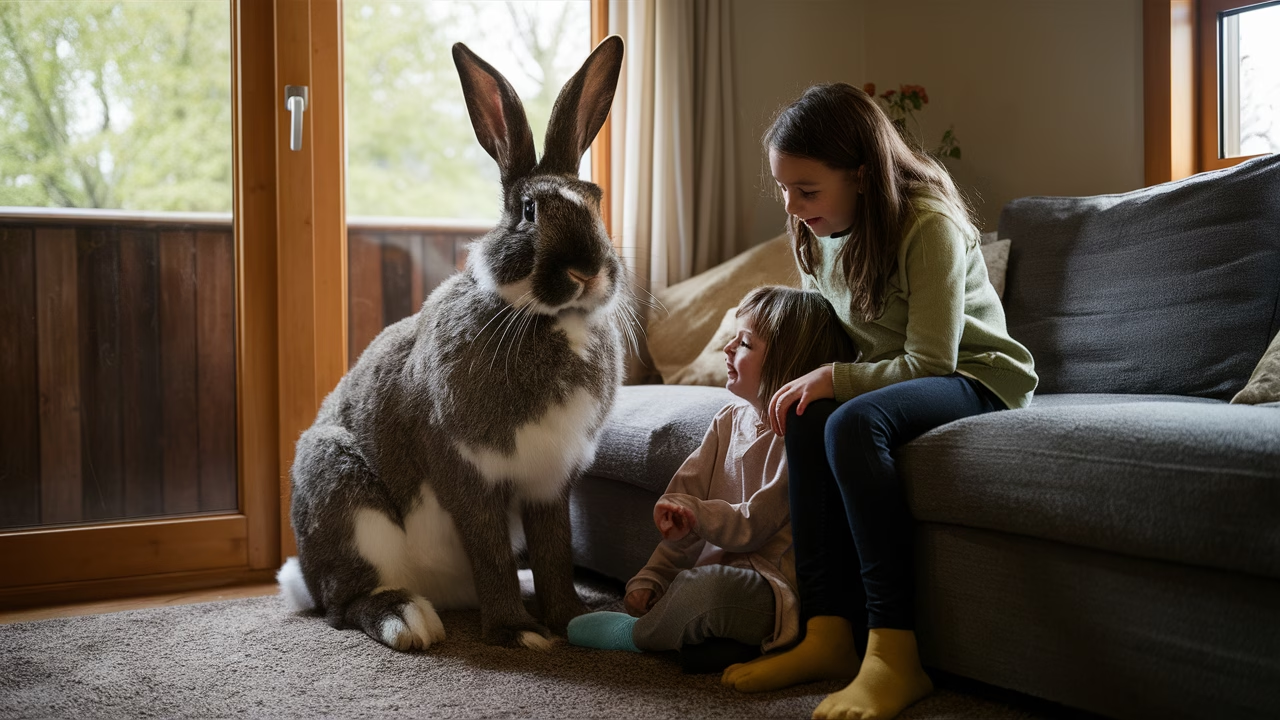
Flemish Giants might seem intimidating due to their size—adults can weigh up to 14 pounds—but their temperament is what wins families over. We often call them ‘the Labradors of the rabbit world.’ They’re calm, tolerant of being picked up when done correctly, and often bond deeply with household members, making them excellent family-friendly rabbit breeds.
They do need more space—a large pen or free-roaming privilege in bunny-proofed rooms. But for families with enough room and slightly older children who can support their weight, they are surprisingly low-energy and cuddly companions.
Holland Lops: Adorable and Affectionate
With their floppy ears and compact bodies, Holland Lops score high on the cuteness scale, but they’re also attentive and social. Weighing 2–4 pounds, they’re easy to manage and love being part of daily family life, earning their reputation as ideal pet rabbits for kids.
They thrive on affection and mutual interaction. In our practice, Holland Lops are often the top pick for first-time rabbit owners with younger children. These kid-friendly rabbit breeds are patient and gentle, though because they’re small, they need careful handling—no tugging or squeezing.
Mini Rex: Perfect for Small Spaces
If you’d prefer a rabbit who combines charm with low-maintenance grooming, the Mini Rex is a winner among easy care rabbit breeds. Their plush, velvety coat requires less brushing than longhaired breeds, and they usually enjoy being handled gently.
Ideal for apartment living, Mini Rex rabbits tend to be calm but curious. They enjoy hop-along play and exploring hideouts made from cardboard boxes. Plus, their minimal shedding makes them a smart choice for households concerned about allergies or tidiness, cementing their status as top family-friendly rabbit breeds.
Important Factors to Consider Before Choosing
Size and Space Requirements
Rabbit size isn’t just about weight—it influences cage size, exercise needs, and even interaction style. Larger breeds like Flemish Giants need more space but are often more docile. Small breeds like Mini Rex may live comfortably in smaller homes but prefer more frequent playtime.
When choosing the best rabbit breed for family living indoors, aim to match the breed’s size to your available space. A general rule? Bunnies need at least four times their size in enclosure space to thrive as happy family pets.
Temperament and Handling
Not all rabbits are equally cuddly. Some breeds, like Holland Lops and Flemish Giants, score highly on the touch-friendly scale and make excellent ideal pet rabbits for kids, while others may prefer minimal handling.
Ask yourself: Is your child calm and patient, or still learning to be gentle? If it’s the latter, choose family-friendly rabbit breeds known for allowing human touch. Key traits for kid-friendly rabbit breeds include patience, calmness, and predictability of behavior. Always supervise small children regardless of the breed’s tolerance.
Grooming Needs and Maintenance
Long-haired breeds may look beautiful, but they can quickly become matted if not brushed regularly. Breeds like Angoras require weekly or even daily grooming routines—something not all families have time for.
Short-haired options like the Mini Rex and Holland Lop are easier to maintain, making them excellent easy care rabbit breeds for children. A 5-minute weekly brush is usually enough to keep these family-friendly rabbit breeds looking their best.
Essential Care Tips for Your Family Rabbit
Proper Diet and Nutrition

One of the simplest ways to keep your family rabbit healthy and thriving is through proper nutrition. The golden trio includes unlimited hay, a daily bowl of fresh vegetables, and precise amounts of high-quality pellets. Clean water, preferably in a bowl rather than a bottle, should be always available.
Carrots? Think of them as candy and use sparingly. Most of their diet should be grass hay—think timothy or orchard hay. Avoid iceberg lettuce, sugary fruits, and most human food when caring for these ideal pet rabbits for kids.
Exercise and Enrichment Activities
Despite being quiet creatures, rabbits are not meant to live in cages around the clock. In fact, all family-friendly rabbit breeds benefit greatly from exercise and mental stimulation to maintain their gentle temperaments.
Encourage daily free-roaming in a safe indoor space. Set up tunnels, cardboard boxes, paper towel rolls, and consider interactive toys. You’ll notice happier behaviors—binkies, zoomies, and relaxed flops—once they’re physically engaged, especially with these active easy care rabbit breeds.
Health and Veterinary Care
Like cats and dogs, rabbits need regular checkups with a vet who understands exotic or small pets. Yearly visits can catch early signs of dental issues, GI stasis, or parasites in your family rabbit.
Spaying or neutering isn’t just about reproduction—it reduces behavioral problems and lowers the risk of certain cancers. We’ve had many families surprised at how much calmer and litter-trainable their kid-friendly rabbit breeds became post-neutering.
Breed Comparison Chart
| Breed | Size | Temperament | Grooming | Best For |
|---|---|---|---|---|
| Flemish Giant | Large (14+ lbs) | Gentle, calm | Low | Older kids, spacious homes |
| Holland Lop | Small (2–4 lbs) | Affectionate, sweet | Low–medium | Younger kids, indoors |
| Mini Rex | Small (3–4.5 lbs) | Curious, gentle | Low | All ages, allergy-prone homes |
Cost Consideration Guide
| Expense | Estimated Cost | Frequency |
|---|---|---|
| Adoption Fee | $25–$100 | One-time |
| Initial Vet Visit & Spay/Neuter | $150–$400 | One-time |
| Setup (Cage, Litter Box, Toys) | $150–$300 | One-time |
| Monthly Food (Hay, Veggies, Pellets) | $40–$80 | Monthly |
| Annual Vet Checkup | $75–$150 | Yearly |
Final Thoughts
Welcoming a rabbit into your family isn’t just about picking the fluffiest face or most Instagrammable ears—it’s a decision that shapes your household dynamic for years. The best rabbit breed for family life depends on factors like your children’s age, home size, grooming ability, and how much interactive time you can provide.
Think of rabbits not as starter-pets, but as emotionally complex companions who thrive with consistent love, care, and stimulation. When chosen and raised thoughtfully, these family-friendly rabbit breeds bring joy, gentleness, and a special bond that rivals even cats and dogs.
Whether it’s a laid-back Flemish Giant sprawled at your feet or a Holland Lop hopping beside your child doing homework, choosing the right ideal pet rabbit for kids will fill your family’s life with fuzzy, bouncing joy.
Frequently Asked Questions
- What is the best breed of rabbit for young children? Holland Lops and Mini Rex rabbits are generally the best picks—they’re small, friendly, and enjoy gentle interaction.
- Are rabbits safe and clean for households with toddlers? When properly cared for and supervised, yes. Rabbits can be clean companions—but always keep young children supervised during play.
- How much daily care do pet rabbits need? They need daily feeding, water changes, litter cleaning, and about 1–2 hours of exercise or free-hop time outside of their cage.
- Can you litter train a rabbit? Absolutely. Neutered rabbits are easier to litter train—similar to how cats use a box with consistent training.
- Do rabbits live well indoors? Yes—many thrive in indoor setups, especially family-friendly breeds like Mini Rex and Holland Lops.
- Which breeds shed the least? The Mini Rex is famed for minimal shedding due to its unique undercoat structure.
- Is grooming difficult for rabbit breeds? It depends. Short-haired breeds are easy to manage, while long-haired varieties like Angoras need daily attention.