Can Coconut Oil Help Soothe My Bunny’s Dry Skin?
Yes — when used wisely and in moderation, coconut oil for rabbit skin can be a soothing, natural remedy for your bunny’s dry skin. It can help moisturize flaky areas, reduce irritation, and promote healing, but knowing the right way to use it is crucial to keep your bunny happy and healthy.
TL;DR: What You’ll Learn About Coconut Oil for Rabbit Skin
- Safe and Natural: Coconut oil can offer relief from dryness and irritation when used correctly.
- Rich in Fatty Acids: Medium-chain fatty acids like lauric acid help moisturize and protect skin.
- Risks to Watch: Overuse can cause oil buildup, mess, or even digestive upset if ingested in large amounts.
- Application Tips: Only use cold-pressed, organic coconut oil; apply a thin film to affected skin patches.
- Real Owner Stories: Rabbit parents share how it calmed itchiness and restored skin health.
Benefits of Coconut Oil for Rabbit Skin
When your rabbit starts scratching or you notice flaking, it’s natural to feel concerned. As a vet specializing in exotic pets, I’ve seen how distressing it can be for pet parents to find safe natural remedies for rabbit’s dry skin. Coconut oil for rabbit skin has become a popular natural remedy — and it’s not just hype.
How Coconut Oil Can Help Soothe Dry Skin
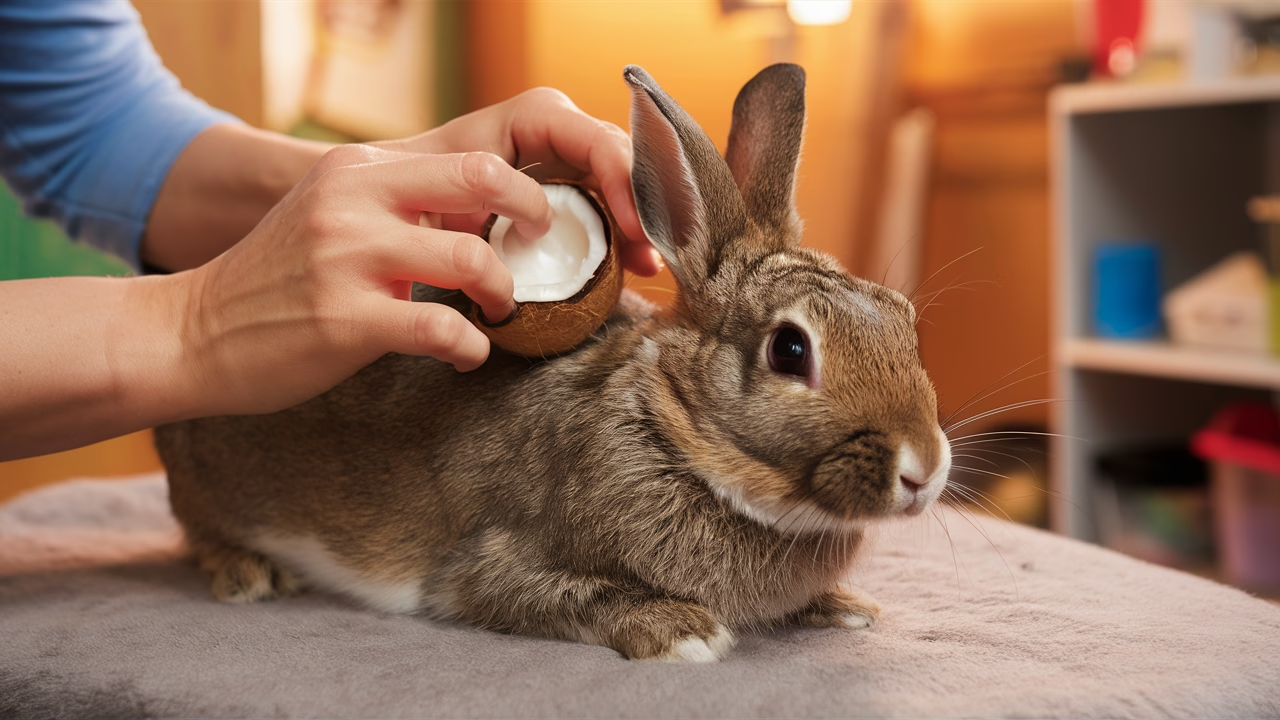
Coconut oil contains medium-chain triglycerides (MCTs), especially lauric acid, which has antimicrobial and anti-inflammatory properties that can nourish and protect your bunny’s skin. Here’s how coconut oil for rabbit skin benefits your bunny:
- Moisturizes: Natural lipids penetrate dry skin, locking in hydration.
- Reduces Itch: Can soothe minor irritations from dryness or mild fungal issues.
- Improves Appearance: Flakes and scaly skin patches often soften after several applications.
- Supports Healing: Antibacterial properties help reduce infection risk if scratching causes micro-wounds.
Think of coconut oil as a gentle balm — a natural barrier and moisturizer rolled into one. I often liken it to chapstick for skin: protective, light, and ideal for mild cases of irritation.
Risks and Precautions
Even gentle remedies have caveats. Just because something is natural doesn’t always mean it’s safe in all circumstances. Here’s what to keep in mind before using coconut oil for rabbit skin.
Coconut Oil Safety for Rabbits
- Moderation is key: Rabbits may lick treated areas. Consuming small amounts isn’t toxic, but excessive ingestion can cause diarrhea or upset their gut flora.
- Check for allergies: While rare, some rabbits may not tolerate coconut oil well. Test a small patch before wide use.
- Not for all skin problems: Coconut oil helps dryness but won’t cure parasitic infections, wounds, or advanced dermatitis. Always consult your vet if you notice persistent skin changes.
- Clean environment: Oily fur can trap dirt and lead to hygiene issues if overused — especially in long-haired breeds.
Always observe behavior after application. If your rabbit seems distressed, begins obsessively licking, or the skin worsens, discontinue use and consult your vet.
How to Safely Apply Coconut Oil on Your Rabbit
Application technique matters greatly when using coconut oil for rabbit skin. Too much oil can be messy and unnecessary, while too little may not be effective. Here’s how to do it right.
How to Apply Coconut Oil on Rabbit Skin
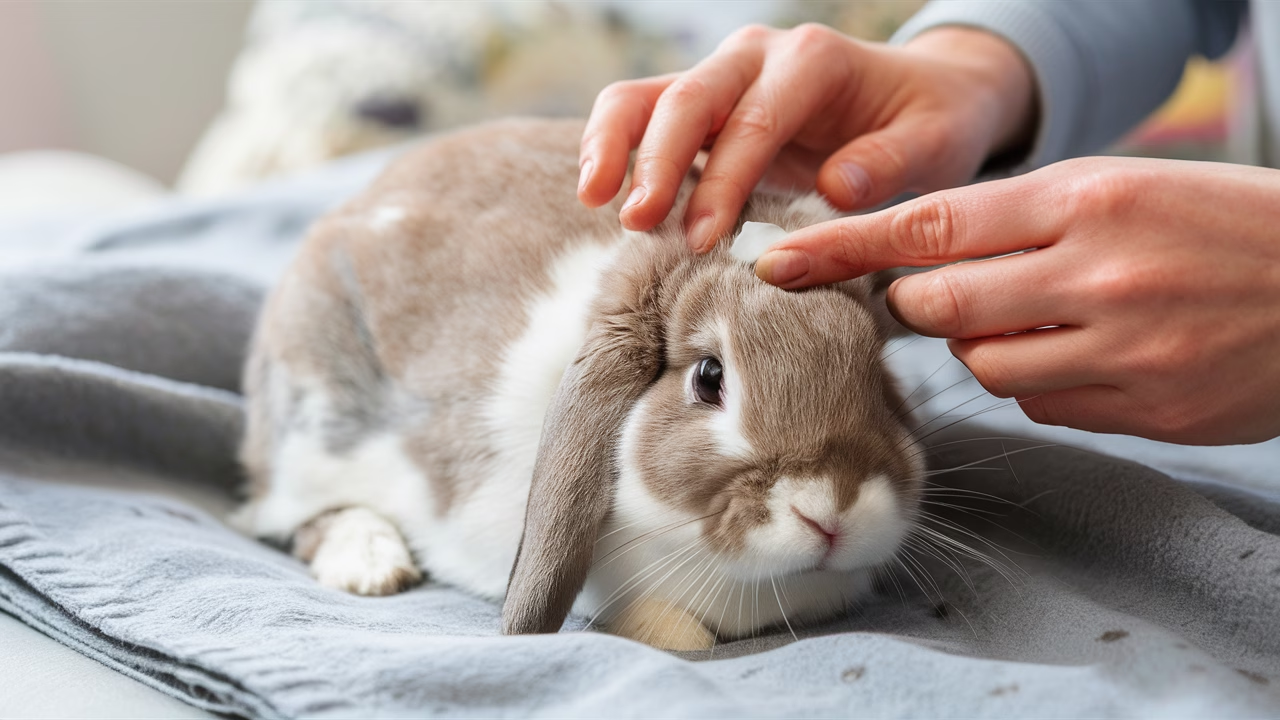
Follow these simple steps to apply coconut oil for rabbit skin safely:
- Choose wisely: Use cold-pressed, virgin, organic coconut oil that’s free from additives or fragrances.
- Start small: Scoop a pea-sized amount, melt it between your fingers, and dab it gently on the affected area.
- Avoid ingestion: Distract your bunny with toys or treats so they don’t lick immediately.
- Spot test: Always apply a small test patch and monitor for irritation over 24 hours.
- Repeat 2–3 times a week: Not daily, unless advised by your vet, to avoid buildup and excessive fur oiliness.
| Step | Action |
|---|---|
| 1 | Warm a pea-size of coconut oil |
| 2 | Apply gently by hand to dry skin patch |
| 3 | Distract rabbit to prevent licking |
One caveat: Avoid greasy buildup on the fur. It can interfere with thermoregulation or cause matted clumps in long-haired breeds like Angoras or Lionheads.
Real-Life Experiences: Success Stories from Rabbit Owners
You’re not the only one exploring safe natural remedies for rabbit’s dry skin. Let’s look at what other rabbit caregivers have experienced with coconut oil for rabbit skin.
Owner Stories: Using Coconut Oil for Bunny Skin Health
Meet Nibbles: A 2-year-old Mini Rex who had flaky patches around her ears. Her owner noticed she was scratching more, especially in the drier seasons. After ruling out mites, the vet suggested moisturizing. A tiny bit of coconut oil for rabbit skin massaged every other day did wonders — the flakes lessened, and Nibbles stopped scratching after a week.
Dusty the Dutch: At first, Dusty’s human was wary. “I didn’t want to overdo it or mess up his fur,” she said. After trying a warm fingertip-sized dab on his back near the shoulder blades, Dusty visibly relaxed. Two weeks in, she reported smoother skin and less biting at the area.
These examples echo a truth I witness often as a vet: With awareness and care, coconut oil for rabbit skin can be an incredibly safe and helpful addition to your rabbit’s wellness toolkit.
Cost Comparison: Coconut Oil vs. Other Remedies
| Remedy | Cost (Average) | Usage | Risk Level |
|---|---|---|---|
| Organic Coconut Oil | $6–$12 | Topical (pea-sized) | Low (if managed properly) |
| Rabbit-Specific Ointments | $12–$25 | Prescription use | Low to Medium (depends on active ingredients) |
| Medicated Sprays | $10–$20 | Sprayed topically | Medium (can irritate if overused) |
When used conservatively, coconut oil for rabbit skin is not only affordable but also versatile, natural, and widely available.
Final Thoughts: The Natural Touch Your Bunny Will Appreciate
Your rabbit relies on you to interpret the small signs of discomfort — from a slight shake of the ears to persistent itching. Coconut oil for rabbit skin offers a clean, nourishing option that aligns with your desire to care for your bunny in a natural, low-impact way. As someone who has seen it work and helped many pet parents navigate this journey, I always say: Trust your instincts, observe closely, and when in doubt — ask your vet.
Frequently Asked Questions
- Can I use coconut oil on my rabbit’s skin?
Yes, in small amounts and only topically. Avoid internal ingestion and monitor for any allergic reactions. - Is coconut oil safe for rabbits to lick?
In very small quantities, yes. But consistent licking can disrupt digestion, so it’s best to prevent it shortly after application. - How often can I apply coconut oil?
2–3 times per week on affected areas only, unless advised otherwise by your vet. - What are signs my rabbit has dry skin?
Scratching, skin flaking, dull or brittle coat, and dry patches behind ears or along spine. - Can coconut oil cause my rabbit’s fur to clump?
Yes, if overused. Always apply sparingly and massage it in well. - Are there safer natural alternatives?
Other options include olive oil or mild aloe vera gel, but coconut oil stands out for its antimicrobial benefits. - When should I see a vet for rabbit skin issues?
If there’s redness, swelling, hair loss, or scabbing that doesn’t improve within a week, or if your rabbit appears distressed.