How Do You Properly Care for Pregnant Rabbits?
Pregnant rabbits need thoughtful, attentive care during their relatively short gestation period. You should provide a quiet, secure space with the right nesting materials, ensure a high-quality, nutrient-rich diet, and observe for signs of distress or labor. Understanding what to expect during rabbit pregnancy can help you support your doe and prepare for the arrival of kits (baby rabbits).
TL;DR – Rabbit Pregnancy Care Summary
- Gestation lasts 28–31 days – Mark your calendar once you confirm the rabbit pregnancy.
- Behavioral signs include nesting and territorial behavior – Watch for fur pulling and nest building around day 25.
- Proper diet is critical – Pregnant rabbits need high-fiber hay, fresh greens, and added protein.
- Nesting boxes are essential – Provide by day 27 to reduce stress during labor.
- Monitor for signs of labor and complications – Know what’s normal and when to call your vet.
Understanding Rabbit Pregnancy
What to Expect When Your Rabbit is Expecting

Rabbit pregnancy often happens suddenly. Female rabbits (does) can conceive as early as 12 weeks old, though the age rabbits can get pregnant varies by breed and individual development. What makes rabbit reproduction unique is that does are induced ovulators, meaning ovulation is triggered by mating. So if your female came into contact with a male, pregnancy is highly likely.
How long are rabbits pregnant? The gestation period typically lasts 28 to 31 days, averaging around 30 days. During this time, physical signs may be subtle: a slightly enlarged abdomen, increased appetite, and more solitary or territorial behavior might be your first clues to rabbit pregnancy.
It’s essential to confirm pregnant rabbits early in their gestation. A veterinarian can safely feel the abdomen after 10–14 days. Avoid trying to palpate at home without training — it can cause harm to the embryos if done incorrectly.
Signs of Labor in Rabbits
Recognizing the Early Signs of Rabbit Labor
About a week before birth, pregnant rabbits begin displaying distinct nesting behaviors in rabbits. This is perhaps the clearest pre-labor sign. Nesting behaviors in rabbits include pulling fur from their belly and chest to line a nest, and scratching or rearranging hay or bedding materials.
Other signs of labour in rabbits include:
- Restlessness or increased pacing
- Refusal to eat shortly before labor
- Seeking quiet, enclosed spaces for nesting
- Increased territorial behavior around the nesting area
Most rabbits will give birth in the early morning hours and usually do so quickly, within 15–30 minutes.
So what does this mean for you? Around day 25, offer your pregnant rabbits a nesting box lined with soft hay and some of her own pulled fur (or cotton if needed). Not providing a nesting area may cause kits to be born on cold or hard surfaces, which is dangerous and even fatal.
Caring for a Pregnant Rabbit
Nutritional Needs and Providing Comfort
The diet for pregnant rabbits should closely mirror maintenance feeding but with slight, intentional adjustments to support both mother and developing kits:
| Nutritional Element | Recommended Adjustment |
|---|---|
| Hay | Always unlimited — base of diet for comfort and digestion |
| Greens | Fresh dark leafy greens daily (romaine, kale, parsley) |
| Pellets | Slight increase in protein-rich pellets (ask your vet) |
| Water | Fresh, accessible constantly — dehydration can harm kits |
Aside from proper diet for pregnant rabbits, comfort is key. Set up a quiet, safe environment away from loud noises or other aggressive pets. Pregnant rabbits are quite sensitive to external stressors, which can impact their health and their kits’ survival.
Nesting Behaviors and Preparing a Safe Environment
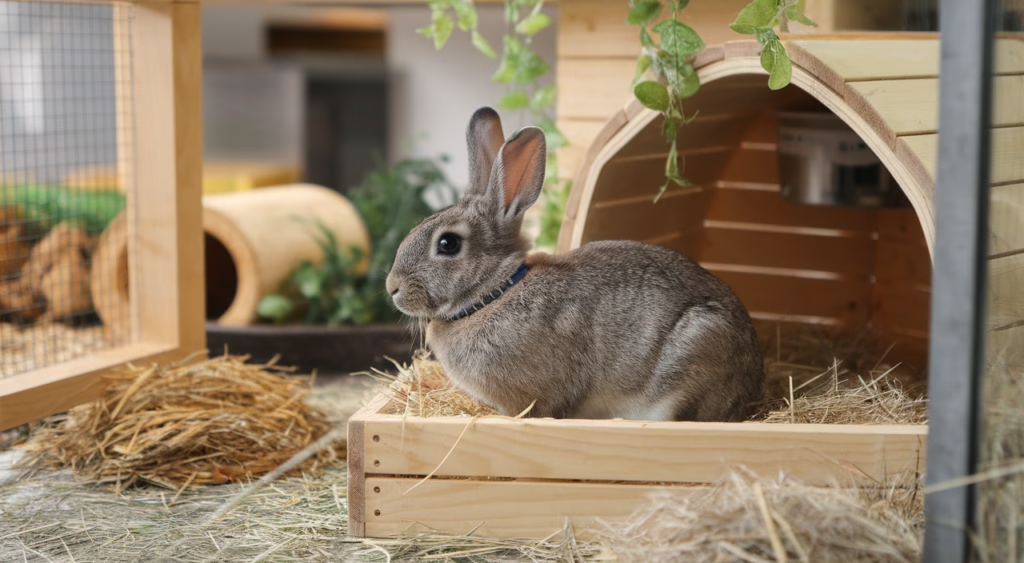
At around day 25 of rabbit pregnancy, provide a clean, dry nesting box filled with soft hay. Common dimensions are about 12″ x 10″ x 10″. Line it with nesting material: hay, shredded paper, or straw. Your rabbit may begin pulling fur and arranging the nest days before labor begins.
Nesting behaviors in rabbits vary from rabbit to rabbit. Some start early and build elaborate nests, while others wait until hours before labor. Don’t panic if nothing happens until the last minute — this is entirely normal across breeds and individual pregnant rabbits.
Real-life example: One rabbit owner noticed her doe acting more distant and saw tufts of fur in the corner of the enclosure on day 29. Within 24 hours, she had delivered six healthy kits and cared for them with precision — all because of a well-prepared nesting box.
Potential Complications in Rabbit Pregnancy
Identifying Warning Signs and Seeking Veterinary Care

Rabbit pregnancy is generally smooth, but complications can occur, and knowing them could save your rabbit’s life. Here are common pregnancy complications in rabbits to watch for:
- Stillbirths or retained kits: If your rabbit appears to be in distress, straining without birthing, or if labor exceeds one hour — seek veterinary help.
- Miscarriage (abortion): Often due to stress, poor diet, or illness affecting pregnant rabbits.
- Mastitis: Breast inflammation post-birth due to infection; look for hard, red mammary glands.
If your pregnant rabbits haven’t delivered by day 34 or seem unwell, consult your vet immediately. A rabbit left untreated with a retained fetus can quickly deteriorate.
Supporting Your Rabbit During Labor
What to Do When Your Rabbit Starts Labor
Once signs of labour in rabbits emerge, your best step is to allow space and quietly observe. Rabbits prefer to labor privately, often during dawn hours. Avoid interfering unless you feel something’s wrong with your pregnant rabbits.
Checklist for rabbit labor:
- Verify the nesting box is clean and accessible
- Remove food and water bowls that may crush kits
- Do NOT try to touch or move the doe unless absolutely necessary
Common Labor Issues and How to Address Them
Most pregnant rabbits give birth smoothly. However, red flags include:
- Excessive bleeding (not normal in rabbit pregnancy – call your vet)
- Kits born outside the nest (return only with warm, clean hands)
- Doe uninterested in feeding (may indicate health issue)
If pregnancy complications in rabbits persist, a vet may perform an ultrasound or administer oxytocin (only under professional supervision).
Frequently Asked Questions
- What causes abortion in rabbits? Stress, inadequate diet, infections, and trauma can lead to abortion during rabbit pregnancy. Keep your rabbit calm and fed with proper nutrition throughout gestation.
- How do I know if my rabbit is pregnant? Look for subtle behavior changes, increased appetite, and nesting behaviors around week 3. Vet confirmation is most reliable.
- At what age can rabbits get pregnant? Rabbits can get pregnant as early as 12 weeks, though it’s recommended to wait until at least 6 months for the doe’s best health.
- Should I separate the male rabbit during pregnancy? Yes. Males can stress the doe, accidentally harm kits, and even re-mate her right after birth.
- Do rabbits nurse their babies right away? Not usually visibly. They often nurse late at night or early morning for just minutes, silently and quickly.
- Can I touch newborn kits? Yes, if necessary. Use clean hands, gently warm any displaced kits, and return them to the nest immediately.
- Is it safe to spay a rabbit after pregnancy? Yes, spaying helps avoid future unplanned litters and certain reproductive cancers. Allow time for nursing and healing first — consult your vet for timing.