
How do you safely clean your rabbit’s scent glands?
To clean your rabbit’s scent glands safely, gently secure your rabbit, locate the two scent glands near the anus, and use cotton swabs dampened with warm water or a rabbit-safe cleanser to remove the waxy buildup. Avoid using force or inserting anything deeply into the glands. If your rabbit reacts painfully or you see signs of infection, seek veterinary help immediately.
TL;DR: Everything You Need to Know
- What: Cleaning rabbit scent glands helps prevent odor and infection
- Where: Glands are located on each side of the anus
- When: Check glands monthly; clean only when buildup is visible
- How: Use warm water and a cotton swab—be very gentle!
- Why: Prevents rabbit health concerns like infection, swelling, or irritation
- Cost: Low if done at home; moderate if vet assistance is needed
Understanding Rabbit Scent Glands
Your rabbit may be as sweet-smelling as a daisy most days, but hidden just beside their tail are two small but mighty scent glands. These glands are your bunny’s natural deodorant and communication device all in one. They excrete a strong-smelling, waxy substance used to mark territory and even identify themselves to other rabbits.
Each rabbit has two scent glands, one on each side of the anus. They’re little slits—not always easy to spot unless you gently part the fur. When clean and functioning normally, they shouldn’t emit a strong odor. But when debris, wax, or dried secretions accumulate, problems can begin.
It’s a lot like earwax: a small amount is normal, but too much can become problematic. For many rabbit owners, especially those new to small animal care, this aspect of hygiene may come as a surprise. It’s rarely discussed in pet stores or adoption packets, yet it’s essential for long-term health and comfort.
Why Cleaning Rabbit Scent Glands is Important
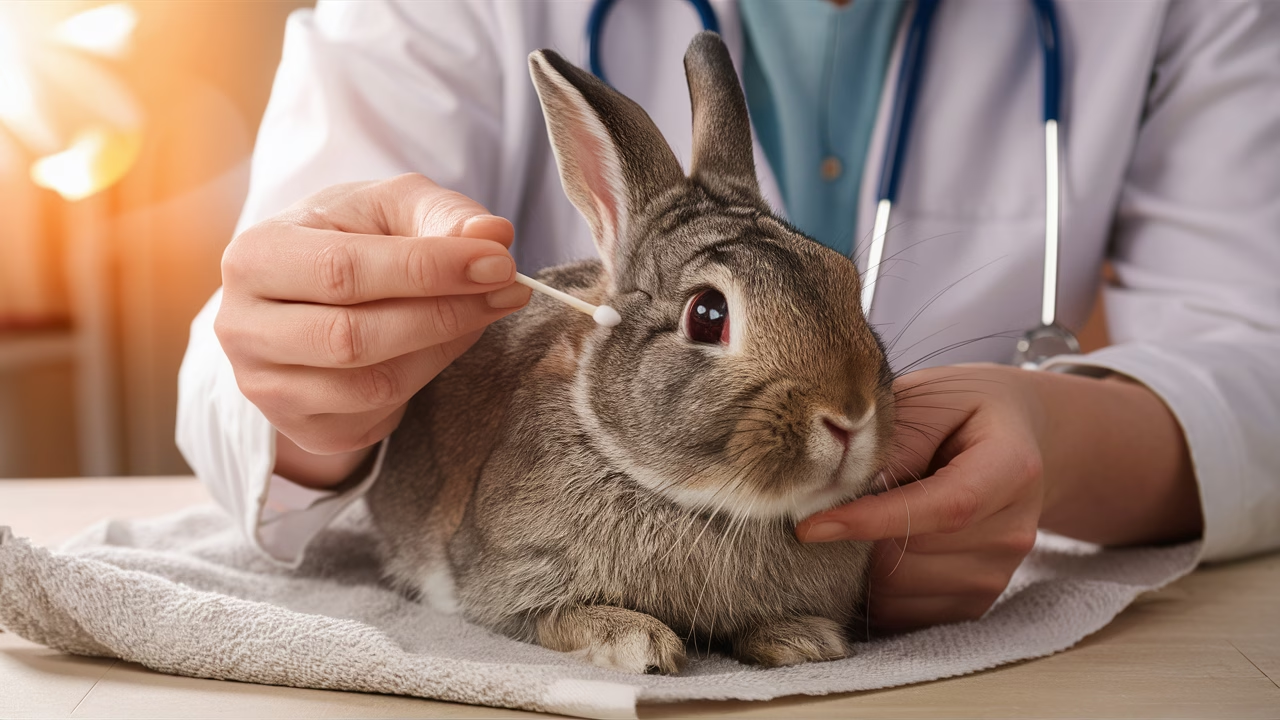
Ignoring scent gland hygiene can lead to more than just a smelly hutch. Accumulated secretions can dry into hard crusts, harbor bacteria, and become a hotspot for infections. That’s why rabbit health specialists recommend incorporating a quick gland check into your grooming routine—about once a month.
If your rabbit begins to smell musky even after cleaning their enclosure, or if they’re scooting their bottom across the floor, it’s worth checking their glands. Behavior like over-grooming their backend or showing signs of discomfort may also indicate a need for rabbit scent gland cleaning.
Let’s break down what could happen when rabbit scent gland cleaning is neglected:
- Bad Odor: A pungent, fishy smell near the tail area
- Swelling or redness: Indicates irritation or possible infection
- Behavioral changes: Discomfort may cause aggression or avoidance
Luckily, keeping these glands clean doesn’t require professional skills—just a little know-how and a calm approach.
Step-by-Step Guide to Safely Clean Your Rabbit’s Scent Glands
Let’s walk through the process together. This gentle method of cleaning rabbit scent glands at home is safe and effective for most rabbits.
What You’ll Need
- Warm water (or rabbit-safe cleanser)
- Soft cotton pads or cotton swabs
- A towel or small blanket
- A calm, well-lit area
- Optional: gloves
Pro Tip: Choose a time when your rabbit is calm—maybe after a meal or play session. They’ll be more cooperative and less squirmy.
How to Clean Rabbit Scent Glands at Home
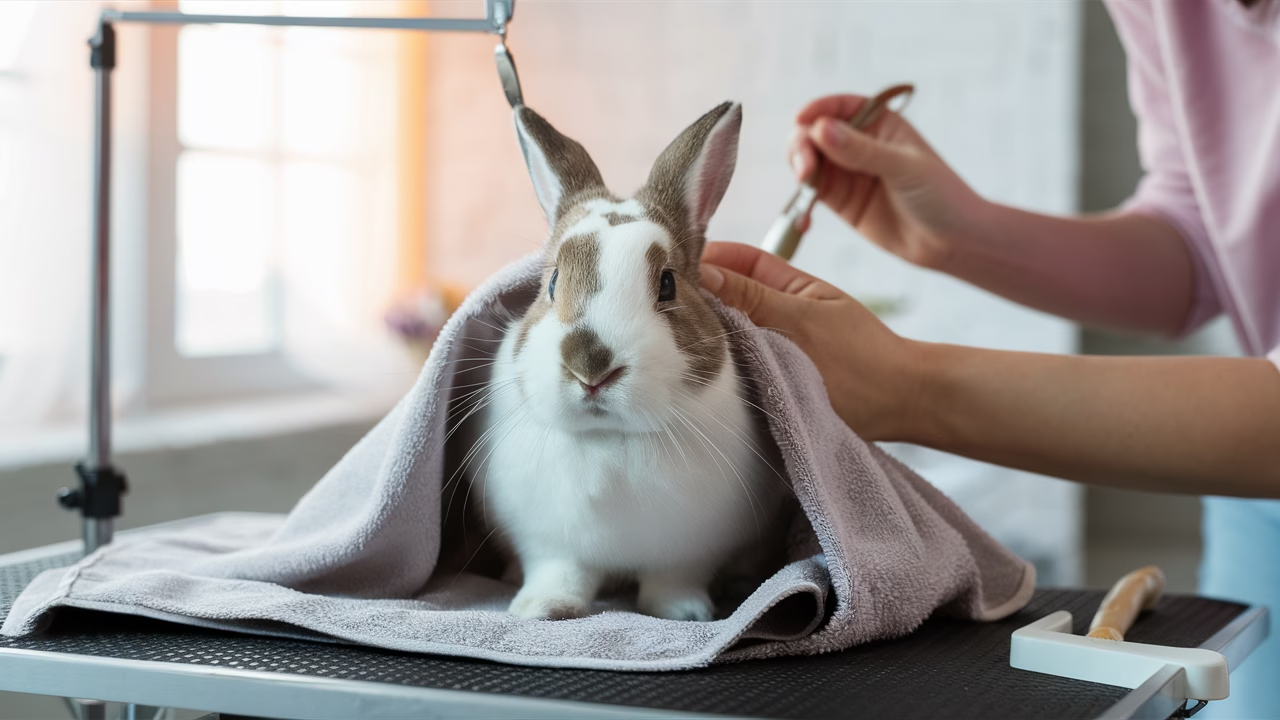
- Gently wrap your rabbit in a towel (like a bunny burrito!) to secure them and prevent kicking.
- Place them securely on your lap or a non-slip surface, ensuring they feel stable.
- Lift the tail gently. Find the two slits beside the anus—these are the scent glands.
- Moisten a cotton swab with warm water and gently clean out any visible waxy buildup. Be careful—avoid pushing too deep!
- Repeat on the other side, then dry the area if necessary with a soft towel.
Important: If the buildup is very hard, smells foul, or your rabbit shows pain when touched, stop and seek veterinary care. These could be signs of infection or impaction.
Tips for Maintaining Your Rabbit’s Scent Glands Health
Ongoing care is just as important as knowing how to clean them. Here are our best practices for rabbit scent gland cleaning:
- Regular Checkups: Aim for a monthly gland inspection during grooming
- Balanced Diet: High-fiber hay reduces gland scent through improved digestion
- Clean Living Space: A hygienic enclosure reduces risk of infection
- Monitor Behavior: Changes in scent or grooming can signal underlying rabbit health concerns
- Routine Vet Visits: Especially for older rabbits or if you spot abnormalities
Cost Guide: Rabbit Scent Gland Cleaning in Singapore
| Service Level | Estimated Cost (SGD) | What’s Included |
|---|---|---|
| DIY at Home | $0–$10 | Cotton swabs, warm water, gloves |
| Mobile Groomer | $30–$50 | Full grooming with gland check |
| Vet Clinic | $50–$100 | Gland cleaning, health checks |
Common Issues and Troubleshooting with Rabbit Scent Gland Cleaning
Even with the gentlest methods for cleaning rabbit scent glands, some bumps in the road can occur. Here’s what to expect and how to handle it:
Issue: Rabbit Won’t Stay Still
This is common, especially in younger or less-handled rabbits. Use a towel wrap, or gently press your hand over the shoulders to help them feel secure.
Issue: Strong Smell Doesn’t Go Away
If you’ve cleaned the glands but the odor lingers, it could be infection-related. Bacteria trapped in impacted glands requires vet treatment.
Issue: Bleeding or Discharge
Stop immediately. This indicates irritation or possible scraping. Do not attempt further cleaning until your rabbit sees a vet.
Issue: Buildup Resists Cleaning
Hardened debris may require professional assistance. Don’t tug, dig, or scrape—it can damage delicate tissues.
Frequently Asked Questions
1. How often should I clean my rabbit’s scent glands?
Check them once a month, and only clean if there is visible waxy buildup or odor. Over-cleaning can irritate the area.
2. Is cleaning rabbit scent glands painful?
When done gently and correctly, it should not hurt. If your rabbit shows signs of pain, stop and consult a vet.
3. What does a healthy rabbit scent gland look like?
It should be flat, pink, and odorless with little or no wax present. Redness, foul odor, or swelling may suggest a problem.
4. Can I use baby wipes to clean the glands?
We don’t recommend this. Many contain alcohol or perfumes that irritate sensitive skin. Stick to warm water or vet-approved cleansers.
5. My rabbit has never had them cleaned—is it too late?
Not at all! As long as they’re not infected, you can start gentle cleaning today. If buildup is significant, consult a vet for the first session.
6. Do neutered rabbits still need scent gland checks?
Yes. While hormones may lessen secretions, scent glands are still active and can become clogged regardless of neutering.
7. Should the glands always be symmetrical?
Not necessarily. Asymmetry can be normal—unless there’s swelling, color change, or discharge. When in doubt, check with your vet.

