
What Should You Do if Your Rabbit Stops Eating or Becomes Critically Ill?
When a rabbit suddenly stops eating, it’s more than a picky mood—it’s an urgent sign of a potentially life-threatening condition. Rabbits are prey animals, and their instinct is to hide weakness until it’s nearly too late. That’s why having a critical care rabbit formula and knowing how to administer it safely can mean the difference between recovery and irreversible decline.
TL;DR: Quick Checklist for Emergency Rabbit Care
- Critical Care Formula: A high-fiber, nutrient-rich blend to support rabbits who are too weak or ill to eat.
- Emergency Signs: Loss of appetite, lethargy, teeth grinding, small or no droppings.
- At-Home Formula: Blend ground pellets, pumpkin purée, warm water, and critical supplements.
- Feeding Method: Use a 1ml or 5ml syringe; feed slowly to avoid aspiration.
- Schedule: Feed every 3–4 hours depending on weight and vet guidance.
- Vet Visit: Always contact a rabbit-savvy vet ASAP, even when providing at-home care.
Understanding Critical Care for Rabbits
What is Critical Care Formula?
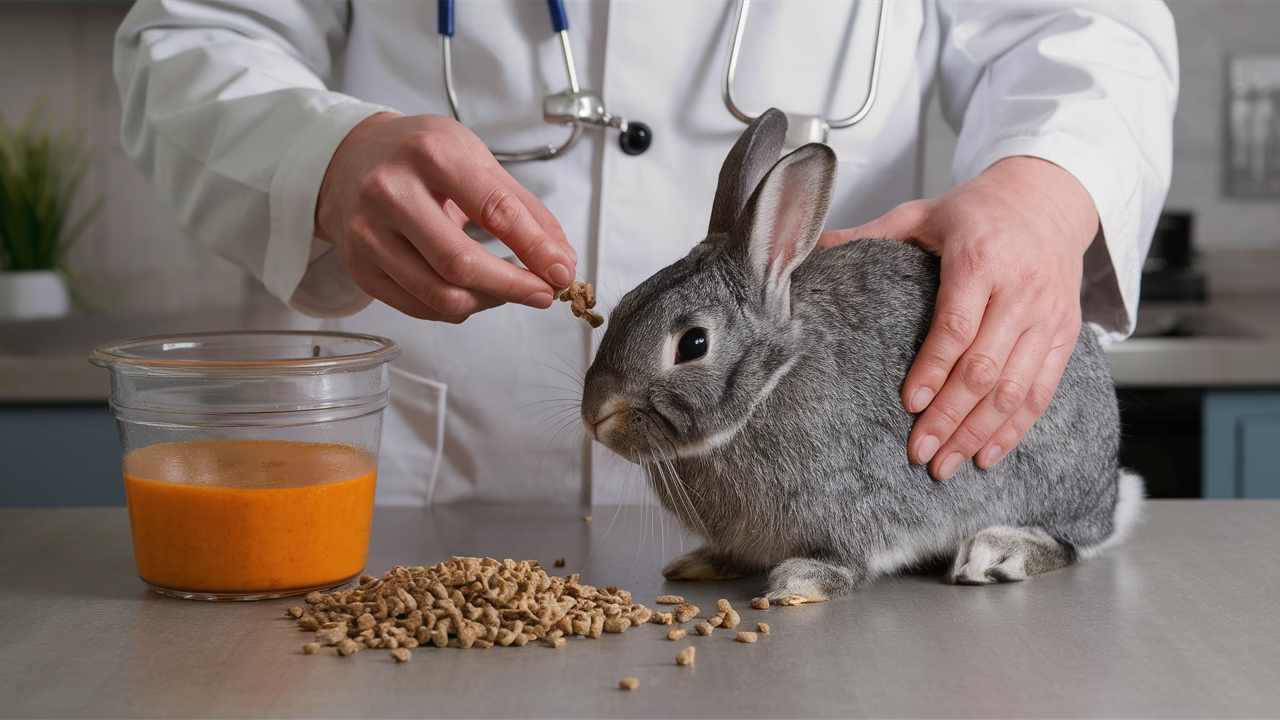
Critical care formulas are nutrient-dense, specially designed feeds used when a rabbit is incapable of eating their regular hay, pellets, or greens due to illness, surgery, or severe trauma. These emergency rabbit feeding formulas restore energy, maintain gut motility, and minimize muscle wasting until your rabbit can safely return to normal eating habits.
Unlike other animals, rabbits need constant input of fiber-rich food to support a healthy digestive system. A few missed meals can trigger gastrointestinal (GI) stasis, leading to critical outcomes within hours. That’s why having a rabbit critical care formula on hand is essential for any dedicated rabbit owner practicing emergency rabbit care.
Importance of Critical Care in Emergency Rabbit Care
During emergencies—say, after surgery, during GI stasis, or when recovering from an infection—a rabbit may be too weak or disinterested to eat. In these moments, syringe-feeding them an emergency formula acts as a life raft keeping their systems running. Critical care formulas also help hydrate rabbits and provide essential vitamins and minerals for healing.
If you’ve never had to deal with a rabbit not eating, let me assure you: it’s as terrifying as it sounds. Their silence and still figure are haunting—but acting swiftly with proper emergency rabbit care often reverses the crisis.
Creating Critical Care Rabbit Formula
Ingredients Needed
You don’t always have hours to drive to a store or wait for delivery when your rabbit’s life hangs in the balance. Here’s how you can create a DIY critical care rabbit formula at home that meets emergency nutritional needs:
| Ingredient | Purpose |
|---|---|
| Timothy-based Rabbit Pellets | Base fiber and nutrition |
| Warm Water or Unsweetened Pedialyte | Rehydration & texture |
| Pumpkin Puree (pure, unsweetened) | Gentle fiber & palatability |
| Baby Food (pure carrot or squash) | Flavor + soft texture |
| Critical Rabbit-Safe Supplement* | Boosts recovery with vitamins |
*Optional: Only add supplements approved by your exotic vet.
Step-by-Step Guide to Making the Formula
- Soak 1 tablespoon of pellets in 3 tablespoons of warm water for 10 minutes.
- Mash into a thick paste. Add pumpkin or baby food for better consistency.
- If too thick, add water drip by drip until smooth enough for syringe use.
- Blend with an immersion blender for optimal smoothness.
- Draw into a syringe and test flow before administering to rabbit.
Pro Tip: You can store a small portion in the fridge for up to 12 hours—but always warm slightly before offering. Never serve cold formula to a sick rabbit.
Administering Critical Care to a Rabbit
Dosage Instructions
Dosage varies based on your rabbit’s weight and condition, but a general rule of thumb for emergency rabbit feeding is:
| Rabbit Weight | Amount Per Feeding | Frequency |
|---|---|---|
| 1–2 lbs | 5–10 ml | Every 3–4 hours |
| 2–4 lbs | 10–20 ml | Every 3–4 hours |
| 4–6 lbs | 20–30 ml | Every 4 hours |
These are starting points—always consult a rabbit-savvy vet to tailor the emergency rabbit care plan to your rabbit’s diagnosis.
Techniques for Feeding the Formula

Feeding a rabbit critical care formula isn’t just about getting food in—it’s about doing so safely. Here’s how to syringe-feed without causing stress or aspiration:
- Wrap rabbit gently in a towel to secure limbs (bunny burrito style).
- Use a small oral syringe (1–5ml) with a soft tip.
- Slide the syringe into the side of the mouth, behind the front teeth.
- Squeeze slowly—allow rabbit to chew and swallow between amounts.
- Clean any spills; rabbits groom obsessively and leftover formula can mat fur.
Expect resistance at first. Stay calm. Your voice, touch, and confidence matter just as much as the formula itself during emergency rabbit care.
Tips for Effective Emergency Rabbit Care
Signs of When to Administer Critical Care
Every rabbit’s baseline behavior differs slightly—but here are signs beyond “picky eating” that suggest an immediate need for emergency rabbit feeding:
- Not eating hay, pellets, or treats for more than 8 hours
- No droppings for 12 hours or signs of very small/odd-shaped feces
- Lethargy, reluctant hopping, or hiding constantly
- Tooth grinding or hunched posture—signs of pain
Alternative Feeding Methods in Emergencies
If syringe feeding becomes too stressful or impossible (e.g., jaw pain), try these emergency rabbit feeding methods under guidance:
- Smear formula on paws—they’ll lick it off while grooming
- Place formula in a shallow dish with tempting herbs nearby to encourage nibbling
- Mix into mashed banana or watermelon in small amounts to encourage self-feeding
But remember: these are temporary bridges. The goal is always to transition back to hay and natural feeding as quickly as possible.
Cost Guide: DIY vs Commercial Critical Care Rabbit Formula
| Option | Estimated Price | Availability | Pros | Cons |
|---|---|---|---|---|
| DIY At-Home Formula | $3–$5 per batch | Immediate | Inexpensive, accessible | May lack full nutrients |
| Commercial Formula | $15–$30 per 120g | Stores or online | Vet-approved, balanced | More expensive, limited access |
In emergencies, a DIY critical care rabbit formula is valid short-term. But restocking with commercial critical care feed is advised as soon as possible for comprehensive nutrition.
FAQ: Emergency Rabbit Feeding & Care
How long can a rabbit go without eating before it becomes critical?
Rabbits shouldn’t go more than 10–12 hours without food. Beyond that, GI stasis can begin, requiring immediate emergency rabbit care intervention.
Can I use kitten or puppy formula as a substitute?
No. These formulas are too high in protein and not suitable for rabbit digestion. Use only rabbit-specific or emergency DIY blends.
Is spoon feeding an option if I don’t have a syringe?
Sometimes. But it’s messy and less precise. Try creating a paste and letting them lick it off a spoon or smear it on herbs.
What if my rabbit fights or panics during syringe feeding?
Try wrapping them gently in a towel burrito for comfort and security. Soft voice tones and familiar smells can help calm them.
How do I know the formula is helping?
Look for more alert behavior, return of appetite, regular droppings, and less hiding. Always follow up with your exotic vet.
Final Thoughts on Emergency Rabbit Care
In rabbit emergencies, every moment counts. Compassion, preparation, and confidence make a profound difference. Keep a rabbit critical care kit at home, know your feeding technique, and trust your instincts when your bunny isn’t acting like themselves. And above all, never hesitate to involve a knowledgeable veterinarian. You’re not alone—don’t be afraid to ask for help.

