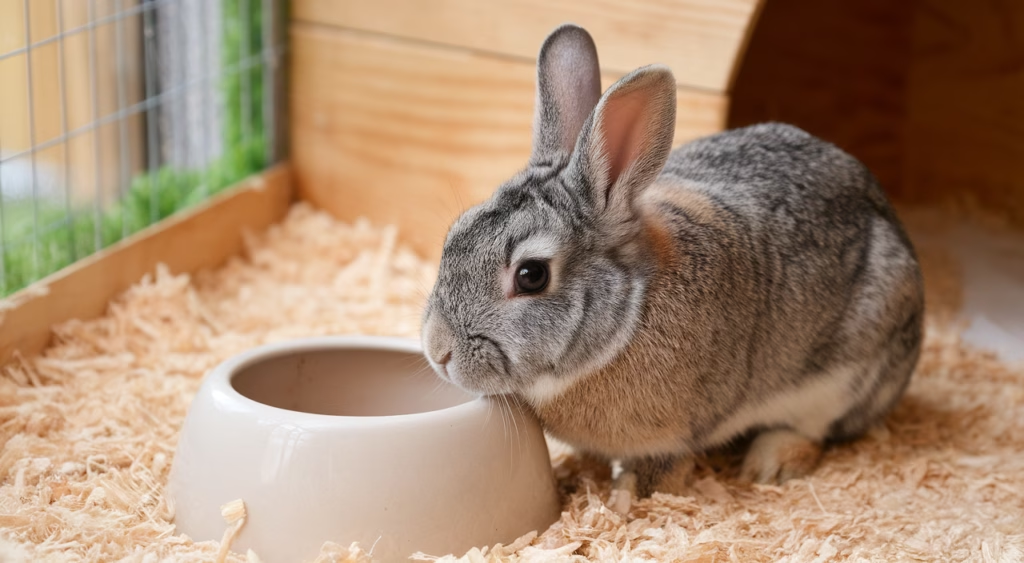
A rabbit that sits near its food bowl after eating is usually resting in a familiar, rewarding place—not displaying one behaviour with a single scientific explanation. The spot smells like food, is part of the rabbit’s routine and may feel secure. The important question is whether your rabbit is relaxed and continuing to eat, drink and pass normal droppings.
Why rabbits sit near their food bowl after eating
Owners often describe this posture as “cuddling” the bowl, but it can reflect several ordinary behaviours. Interpret it alongside appetite, posture, movement and droppings rather than treating the location alone as a diagnosis.
The feeding area is familiar and rewarding
Rabbits learn routines quickly. If meals regularly appear in one place, staying nearby may simply be an efficient way to wait for more hay, greens or attention. Food scents and repeated positive experiences can make the area attractive even after a meal ends.
Your rabbit may be resting while digesting
A relaxed rabbit may loaf—sitting with the feet tucked beneath the body—or stretch out after eating. Relaxed ears, a soft body, normal breathing and occasional grooming generally fit normal rest. Quiet tooth purring can occur when a rabbit is content, but loud tooth grinding with a tense or hunched posture can indicate pain.
The bowl may mark a preferred safe spot
Rabbits choose resting places where they can monitor their surroundings and retreat easily. A feeding station placed beside a wall, hide or companion may meet those preferences. The bowl itself may be incidental.
Your rabbit may be guarding a valued resource
Some rabbits become tense when another rabbit or person approaches food. Watch for lunging, boxing, grunting, chasing or blocking access. In a bonded group, provide more than one hay pile, bowl and water source so no rabbit can control the only resource.
Normal resting versus a possible health problem
Where a rabbit sits matters less than changes in normal behaviour. A comfortable rabbit should continue to show interest in hay and other food, move normally, interact in its usual way and produce regular droppings.
Contact a rabbit-experienced veterinarian promptly if your rabbit eats less, refuses food, produces fewer or smaller droppings, becomes unusually quiet, repeatedly changes position, presses the belly to the floor, looks bloated, or sits hunched with the eyes narrowed. Reduced appetite and droppings can accompany gastrointestinal stasis and other painful conditions; waiting to see whether the rabbit “gets over it” can be dangerous.
The RSPCA’s rabbit health guidance recommends regular health checks and prompt veterinary attention when behaviour or eating changes.
Check the feeding setup
Make hay the main food
Rabbits should have continuous access to good-quality hay or grass. A bowl full of pellets is not a substitute for fibre-rich forage. Position hay near the litter area if that encourages natural grazing, and refresh it often.
Use a stable, easy-to-clean bowl
A heavy ceramic bowl is harder to tip than a lightweight plastic one. Clean food and water containers daily, remove spoiled fresh food and keep the surrounding floor dry. If your rabbit lies against the bowl, check that there are no sharp chips or trapped debris.
Offer space and duplicate resources
In a multi-rabbit home, separate feeding points reduce crowding. Each rabbit should be able to eat and move away without being cornered. If tension appears around food, spread hay across several areas rather than concentrating it in one place.
How to interpret your rabbit’s body language
- Likely relaxed: loose loaf or stretched posture, normal breathing, grooming, eating hay and normal droppings.
- Alert but comfortable: upright ears, watching the room, easy movement when approached and continued interest in food.
- Possible guarding: stiff posture, tail raised, grunting, lunging or blocking another rabbit.
- Possible pain or illness: persistent hunching, narrowed eyes, loud tooth grinding, reluctance to move, reduced eating or abnormal droppings.
Compare today’s behaviour with your rabbit’s normal pattern. A sudden change is more meaningful than a favourite resting spot that has remained the same for months.
Should you move the food bowl?
You usually do not need to move it if the rabbit is relaxed, the area is clean and every rabbit can reach food and water. Move or duplicate resources if one rabbit guards the station, the location creates crowding, or the bowl blocks access to a hide or litter tray.
If the behaviour is new and occurs with appetite, droppings or posture changes, changing the furniture is not the solution—contact a veterinarian.
Frequently asked questions
Why does my rabbit lie next to the food bowl?
The feeding area may be familiar, rewarding and conveniently placed for resting. Check that your rabbit remains relaxed, eats normally and produces normal droppings.
Is sitting near the bowl a sign my rabbit is still hungry?
Not necessarily. It can be a learned routine or preferred resting place. Rabbits should always have hay available, while measured foods should follow veterinary or welfare guidance.
Is my rabbit guarding the food bowl?
Guarding is more likely when the rabbit becomes stiff, grunts, lunges, chases or prevents a companion from eating. Provide duplicate resources and seek behavioural advice if conflict continues.
When is a hunched rabbit an emergency?
A hunched posture accompanied by reduced appetite, fewer droppings, lethargy, bloating or tooth grinding needs prompt advice from a rabbit-experienced veterinarian.
Should rabbits use bowls or bottles for water?
Many rabbits drink naturally from a heavy bowl, but the best setup is one that stays clean and provides reliable access. Check water at least daily and provide more than one source for groups.