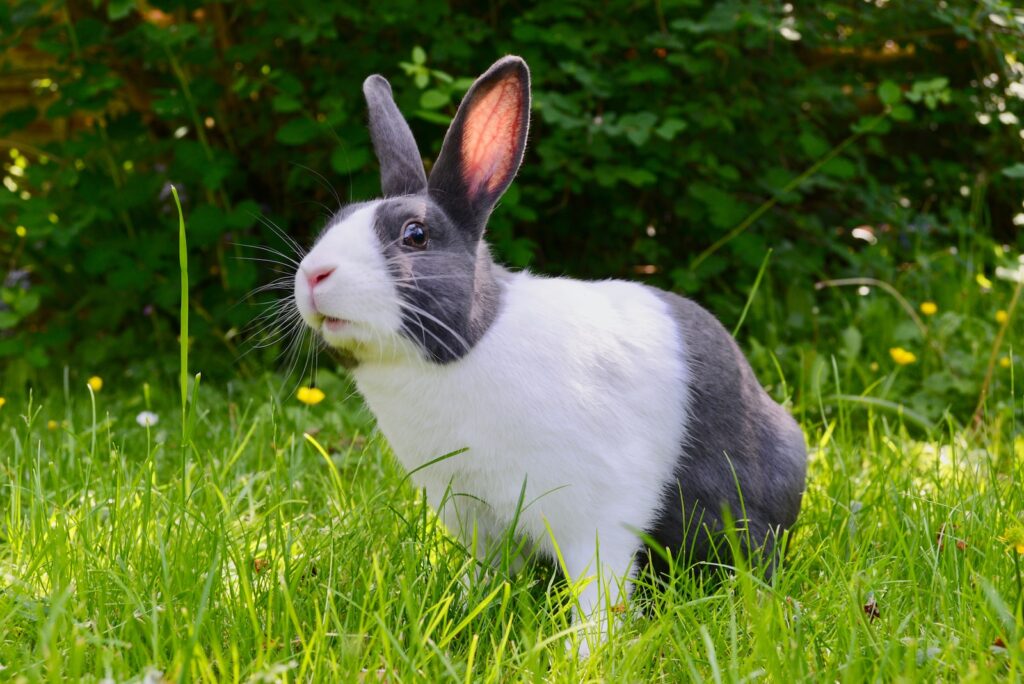
A rabbit flop usually means the rabbit feels relaxed and safe. During a typical flop, a rabbit rolls or drops onto one side, stretches out and then rests with loose muscles. The rabbit flop meaning depends on the whole picture, however: a relaxed rabbit looks very different from one that has collapsed, is struggling to breathe or cannot get back up.
What is a rabbit flop?
A rabbit flop is a voluntary movement in which a rabbit suddenly tips onto its side and settles there. It can look dramatic because the movement may be quick, but the rabbit normally remains comfortable and responsive afterward. Some rabbits flop beside a bonded companion or trusted person; others prefer to rest in a quiet part of their enclosure.
A flop is not the same as a binky. A binky is an energetic jump, often with a twist in the air, while a flop ends in a resting posture. It is also not the same as tonic immobility, the stress response that can occur when a rabbit is placed on its back.
Signs that a rabbit flop shows relaxation
Look at the posture before and after the movement. The RSPCA’s rabbit body-language guide describes relaxed rabbits as lying down with a loose or extended body, ears held in a comfortable position and eyes that may be partly closed.
- The body looks loose rather than rigid.
- One or both back legs may be stretched out.
- The eyes may be partly closed.
- Breathing remains quiet and regular.
- The rabbit responds normally when something changes nearby.
- Eating, drinking, toileting and activity remain normal at other times.
These signals are more useful together than any single cue. Ear position varies between individuals and breeds, especially lop-eared rabbits, so learn what relaxed behaviour looks like for your own rabbit.
When a side-lying rabbit may need help
A rabbit that simply flops should settle comfortably and later rise normally. Contact a rabbit-experienced veterinarian promptly if the rabbit cannot stand, repeatedly falls, seems disoriented, has a head tilt, breathes with effort, stops eating, produces fewer droppings or appears unusually unresponsive.
Also pay attention to an abrupt change in normal behaviour. Rabbits often hide pain or illness, so a posture that is normal for one rabbit may be concerning if it appears alongside reduced appetite, tooth grinding, a hunched stance or withdrawal.
Flop, sleep, collapse or tonic immobility?
Relaxed flop
The rabbit chooses the position, looks loose and remains able to get up normally.
Normal sleep
A sleeping rabbit may lie on its side with partly closed or fully closed eyes. Small twitches can occur during sleep, but breathing should remain easy and the rabbit should wake normally.
Collapse or loss of balance
The rabbit may look weak, distressed or unable to coordinate its movements. This is not a contented flop and warrants veterinary advice.
Tonic immobility
A rabbit forced onto its back may freeze and appear calm, but this is a fear response. Do not deliberately place a rabbit on its back to create a “flop.”
How to help a rabbit feel safe enough to relax
You cannot make a rabbit flop on command, and a rabbit that rarely flops is not automatically unhappy. Temperament, age, health and the environment all affect resting behaviour. Focus on giving the rabbit choices:
- Provide enough floor space to stretch, hop and change position.
- Add secure hiding places with more than one entrance.
- Use stable, non-slip flooring and a clean, dry resting area.
- Keep loud, sudden disturbances to a minimum.
- Interact at floor level and let the rabbit approach voluntarily.
- Provide companionship with a compatible rabbit where appropriate.
For more cues such as thumping, circling, grooming and ear position, see our guide to understanding rabbit communication.
Common misunderstandings about rabbit flopping
A flop is not an “insult” or a sign that a rabbit is ignoring you. Rabbits may turn away, flick their feet or thump when alarmed or displeased, but a loose side-flop is usually a resting behaviour. Nor does flopping prove a rabbit is completely free of stress or illness. Interpret it alongside appetite, droppings, movement, breathing and the rabbit’s usual routine.
Frequently asked questions
Does a rabbit flop mean it trusts me?
A relaxed flop near you can indicate that the rabbit feels safe in that moment, but trust is better judged from a consistent pattern of voluntary approach, relaxed posture and normal behaviour.
Why does my rabbit flop so suddenly?
Many rabbits move quickly from sitting to side-lying, so a normal flop can look dramatic. Check that the rabbit relaxes afterward and can rise normally.
Is it normal for a rabbit to sleep on its side?
Yes. A rabbit may sleep on its side when comfortable, sometimes with partly or fully closed eyes. Breathing should remain easy and the rabbit should wake and move normally.
Should I touch my rabbit while it is flopped?
Let the rabbit rest unless it already welcomes gentle contact. Approach quietly and avoid startling, lifting or rolling the rabbit onto its back.
When is a rabbit lying on its side an emergency?
Seek urgent veterinary advice if the rabbit cannot stand, has laboured breathing, is unresponsive, loses balance, stops eating or shows another sudden change from normal.