How Do You Check Your Rabbit’s Teeth at Home?
Regularly checking your rabbit’s teeth involves a gentle visual inspection of the incisors and observing their eating habits. While professional veterinary checks are vital, you can look for misalignment, drooling, or changes in appetite as early indicators of potential dental issues.
Welcome, fellow rabbit enthusiasts and veterinary professionals! As a veterinarian specializing in exotic pets, I’m here to demystify one of the most unique aspects of rabbit physiology: their teeth. Many new rabbit owners are surprised to learn that these adorable creatures do not, in fact, require regular toothbrushing. This isn’t an oversight; it’s a testament to the incredible evolutionary design behind rabbit dental care. Understanding fundamental rabbit teeth facts is paramount to ensuring your rabbit’s long-term health and preventing painful, often serious, dental problems.
Our goal today is to equip you with the knowledge to maintain optimal rabbit dental health. We’ll explore the fascinating anatomy of their ever-growing teeth, explain why their diet is their primary dental tool, and provide practical pet rabbit teeth care tips for monitoring their oral health at home. Let’s delve into the world of rabbit dentistry, where hay is the hero and toothbrushes are truly optional.
TL;DR: Key Takeaways for Rabbit Dental Care
- No Brushing Needed: Unlike many pets, rabbits do not require tooth brushing due to their unique dental anatomy where all teeth grow continuously.
- Constant Growth: A crucial rabbit teeth fact is that both incisors and molars grow several millimeters every week throughout their lives, necessitating continuous wear.
- Hay is Key: The primary tool for pet rabbit teeth care is an unlimited supply of high-quality hay, which naturally grinds down teeth and promotes correct chewing mechanics.
- Monitor at Home: Regularly observe your rabbit’s eating habits, check their front incisors, and look for signs like drooling, facial swelling, or food dropping.
- Watch for Symptoms: Be vigilant for signs of dental problems such as reduced appetite, weight loss, selective eating, pawing at the mouth, or changes in fecal pellets.
- Preventive Diet: Focus on a diet of 80%+ hay, fresh leafy greens, and very limited high-fiber pellets. Avoid sugary treats.
- Regular Vet Checks: Annual or biannual veterinary examinations by an exotic pet specialist are vital for professional assessment of molars and early detection of issues, complementing your at-home monitoring for optimal rabbit dental health.
What Makes Rabbit Dental Anatomy So Unique?
Unlike humans or even many other common pets, rabbits are lagomorphs, possessing a distinct dental structure. A key rabbit teeth fact is that they have what veterinarians call “hypsodont” teeth. This means all of their teeth – both the incisors at the front and the molars at the back – grow continuously throughout their entire lives. Imagine your own teeth growing a few millimeters every single week; that’s the reality for your rabbit!
Rabbits have six incisors in total: four upper incisors (two prominent ones followed by two smaller “peg teeth” directly behind them) and two lower incisors. These sharp front teeth are primarily used for nipping off vegetation. Behind a gap called the diastema, you’ll find the cheek teeth, or molars and premolars, which are broad and designed for grinding fibrous plant material. The surfaces of these cheek teeth are not flat but have ridges that interlock, allowing for a highly efficient grinding motion. This continuous growth, coupled with their specialized structure, makes understanding proper rabbit dental care crucial.
The Constant Growth of Rabbit Teeth: A Lifelong Process
The relentless growth of a rabbit’s teeth is perhaps the most significant rabbit teeth fact to grasp when considering their dental health. Incisors can grow up to 3-4 mm per week, while cheek teeth grow about 2-3 mm weekly. This rapid growth rate is a double-edged sword: it allows rabbits in the wild to constantly wear down their teeth as they chew tough, abrasive plant matter, but in a domestic setting, it requires owners to provide the right conditions for this natural wear to occur. If the teeth aren’t worn down sufficiently, they can quickly overgrow, leading to a myriad of painful and debilitating issues.
Overgrown incisors can prevent a rabbit from grasping food, while overgrown molars can form sharp spurs that cut into the tongue and cheeks. This constant potential for overgrowth means that effective pet rabbit teeth care isn’t just about preventing decay, as it might be for us; it’s about managing continuous growth through appropriate diet and regular checks.
Why Rabbits Don’t Need a Toothbrush: The Power of Forage
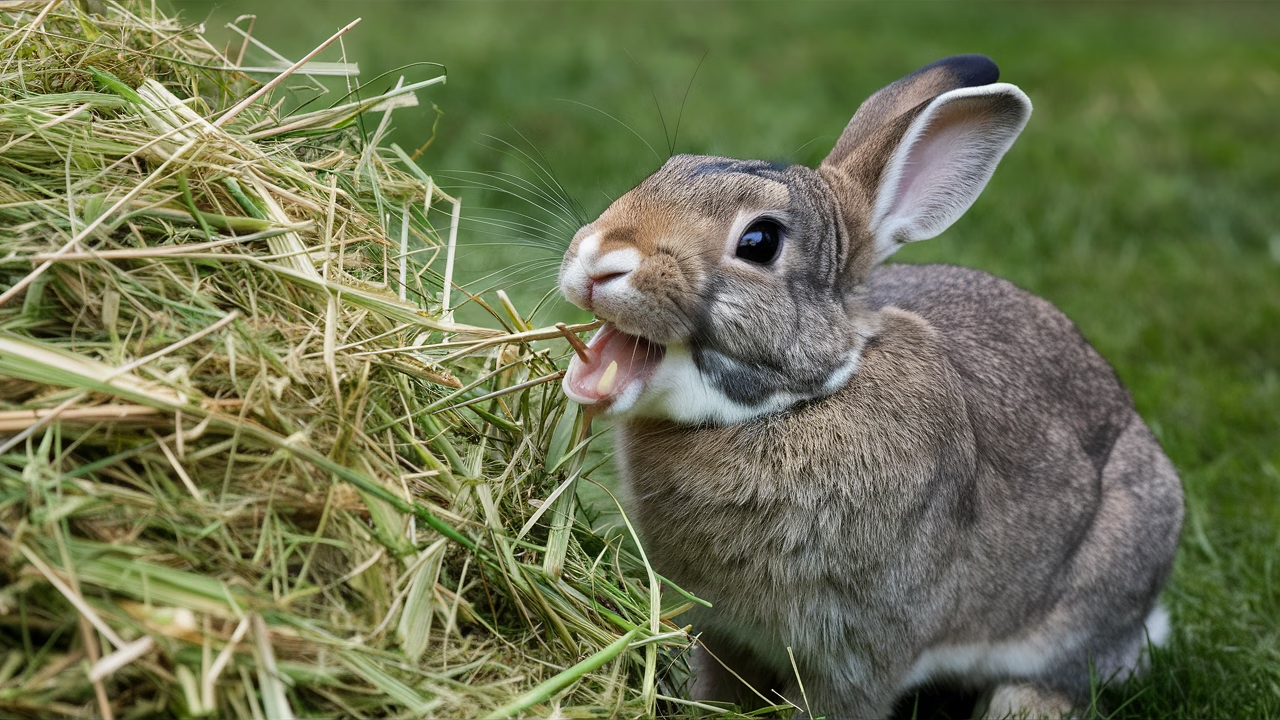
This is perhaps the most surprising of all rabbit teeth facts for many owners: your rabbit truly doesn’t need a toothbrush. The concept of “rabbit teeth brushing” is fundamentally misdirected. Instead, their dental health relies almost entirely on their diet, specifically the consumption of long-stemmed, fibrous hay. Hay acts as a natural abrasive, constantly grinding down the occlusal (chewing) surfaces of their molars and even helping to maintain the length of their incisors as they pull and chew it.
When a rabbit chews hay, their jaw moves in a complex side-to-side motion that is essential for even wear across all their cheek teeth. This constant mechanical action is far more effective and natural than any brushing could ever be. A diet rich in unlimited, good-quality hay (such as timothy, orchard grass, or oat hay) provides the necessary chewing time and abrasive material to keep their teeth in balance. Without sufficient hay, or if their diet consists primarily of soft pellets or sugary treats, the natural wear process is compromised, paving the way for serious rabbit dental health issues.
How to Monitor Your Rabbit’s Dental Health at Home
As your rabbit’s primary caregiver, you are uniquely positioned to monitor their dental health on a daily basis. While you can’t see their back teeth without specialized equipment, you can certainly observe for subtle changes that might indicate a problem. Consistent vigilance is a key aspect of effective pet rabbit dental health tips.
Here’s how you can perform a basic at-home check:
- Observe Eating Habits: Watch your rabbit eat. Are they taking longer than usual? Are they dropping food, or seemingly struggling to chew? Do they prefer softer foods over hay?
- Check Incisors: Gently lift your rabbit’s lips to inspect their front incisors. They should be clean, evenly aligned, and not excessively long or crooked. Be very gentle and release quickly if your rabbit becomes stressed.
- Look for Drooling: Excessive drooling, especially around the chin and dewlap, can be a sign of painful dental spurs cutting into the soft tissues of the mouth.
- Examine the Face: Look for any swelling around the jaw, eyes, or under the chin. Abscesses related to dental disease can manifest as facial lumps.
- Monitor General Behavior: A rabbit in pain may become lethargic, withdrawn, or grind their teeth (bruxism) as a sign of discomfort.
Remember, these are supplementary to, not a replacement for, regular veterinary examinations. Only a qualified veterinarian can properly assess the health of your rabbit’s molars and diagnose underlying issues.
Key Signs of Dental Problems in Rabbits
Recognizing the signs of dental problems early is crucial for prompt and effective rabbit dental care. As a veterinarian, I’ve seen how quickly these issues can escalate. If you observe any of the following, it’s time to contact your exotic vet:
- Anorexia or Reduced Appetite: One of the most common and serious signs. A rabbit refusing to eat hay or pellets, or eating very little, is a medical emergency.
- Dropping Food (Quidding): Chewing food and then letting it fall out of the mouth. This often indicates painful molars.
- Weight Loss: Despite appearing to eat, a rabbit with dental pain may not be consuming enough calories.
- Selective Eating: Preferring soft foods over hay, or avoiding certain types of food altogether.
- Pawing at the Mouth or Face: A clear indicator of oral discomfort.
- Changes in Fecal Pellets: Smaller, fewer, or abnormally shaped pellets can signal reduced food intake due to dental pain, potentially leading to gastrointestinal stasis.
- Facial Swelling or Abscesses: Often caused by dental root infections.
- Ocular or Nasal Discharge: Tooth root abscesses, particularly in the upper jaw, can impact tear ducts or nasal passages, leading to watery eyes or persistent nasal discharge.
- Reduced Grooming: Dental pain can make grooming difficult, leading to a matted or unkempt coat.
- Lethargy or Behavioral Changes: Any deviation from your rabbit’s normal, happy demeanor could indicate pain.
Early intervention is key to managing these conditions and improving your rabbit’s quality of life. Never delay seeking professional advice for suspected dental issues.
Preventive Care: Ensuring Optimal Rabbit Dental Health
Preventive care is the cornerstone of excellent rabbit dental health. By implementing a few key strategies, you can significantly reduce the risk of dental disease in your beloved companion. My experience as a vet repeatedly shows that diet is the single most powerful tool in your preventive arsenal.
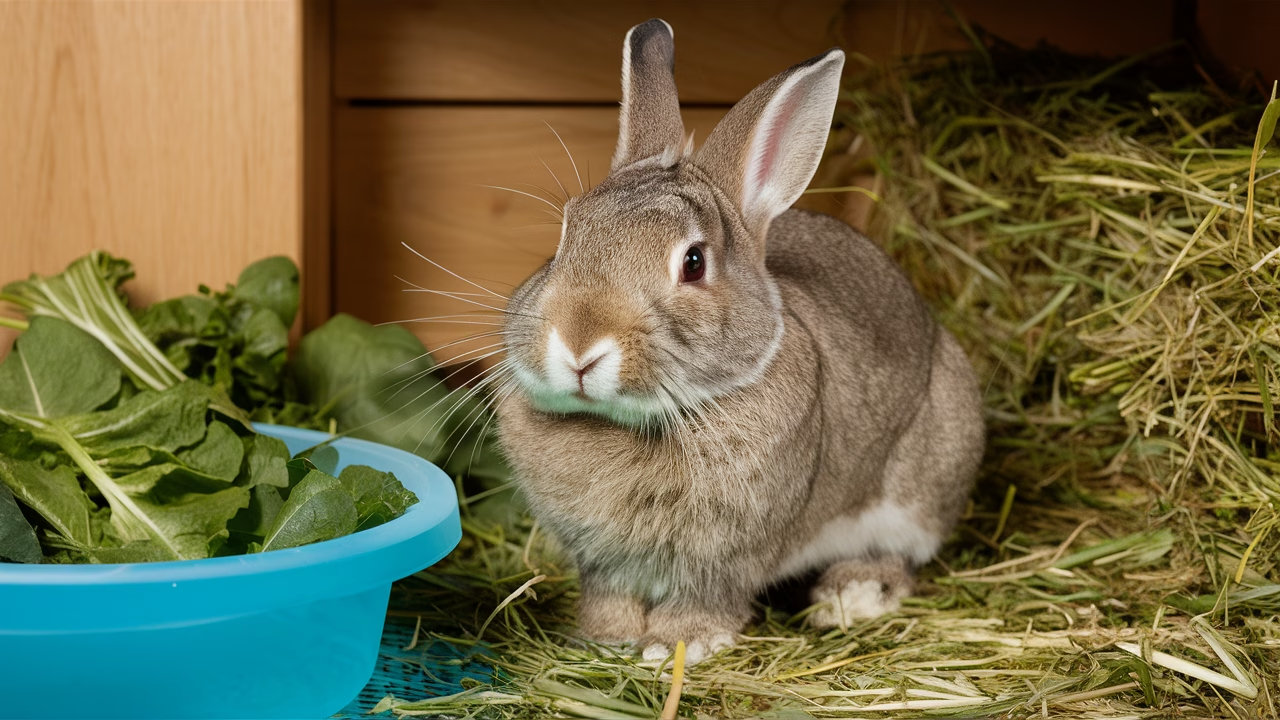
- Unlimited High-Quality Hay: This cannot be stressed enough. Hay (timothy, orchard, oat, meadow) should make up at least 80% of your rabbit’s diet. It provides essential fiber, encourages the crucial side-to-side chewing motion, and naturally wears down both incisors and molars.
- Fresh, Leafy Greens: Offer a variety of washed, rabbit-safe leafy greens daily. These provide additional fiber, nutrients, and encourage chewing. Examples include romaine lettuce, kale, cilantro, parsley, and carrot tops.
- Limited Pellets: Choose a high-fiber, plain timothy-based pellet. Pellets should be given in very limited quantities, typically ¼ cup per 6 lbs of body weight per day for an adult rabbit. Avoid sugary, muesli-style mixes, which contribute to poor dental health and obesity.
- Avoid Sugary Treats: Fruits and sugary treats should be given sparingly, if at all, as they offer little dental benefit and can contribute to weight gain and disrupt gut health.
- Environmental Enrichment: Provide safe chew toys, untreated willow branches, or cardboard tunnels. While not as effective as hay for molar wear, they can help keep incisors trimmed and provide mental stimulation.
- Regular Veterinary Check-ups: Schedule at least annual (ideally biannual) wellness exams with a veterinarian experienced in rabbit care. These check-ups allow for thorough oral examinations, often requiring sedation to properly visualize the molars, which is vital for early detection of issues.
Consistent pet rabbit teeth care through these preventive measures will go a long way in ensuring your rabbit enjoys a healthy, pain-free life.
When to Seek Veterinary Help for Rabbit Teeth
Knowing when to call your veterinarian is crucial for effective rabbit dental care. As soon as you notice any of the signs of dental problems mentioned above, or if you simply have a suspicion that something isn’t right, don’t hesitate to reach out. Rabbits are masters at hiding pain, and by the time symptoms become obvious, the underlying issue may be quite advanced.
Routine veterinary checks, even when your rabbit appears healthy, are paramount. A vet can perform a thorough oral examination, often using an otoscope to visualize the back molars, and can palpate the jaw for any irregularities. If dental disease is suspected, X-rays may be recommended to assess the tooth roots and jawbone. Treatments can range from tooth trimming (often done under sedation), burring of spurs, or in more severe cases, extraction of problematic teeth. Early detection significantly improves the prognosis and can prevent extensive, more invasive procedures. As exotic pet vets, we’re here to partner with you in providing the best possible rabbit dental health for your furry companion.
In conclusion, while the idea of “rabbit teeth brushing” is a myth, the importance of proactive rabbit dental care is very real. By understanding the unique rabbit teeth facts, providing an optimal diet rich in hay, and maintaining regular veterinary check-ups, you are giving your rabbit the best chance for a happy, healthy life, free from dental pain.
Frequently Asked Questions About Rabbit Dental Care
Do rabbits really not need their teeth brushed?
Yes, rabbits absolutely do not need their teeth brushed. Their unique dental anatomy, with continuously growing teeth, relies on constant wear from chewing fibrous hay to keep their teeth at a healthy length and shape. A toothbrush is ineffective and unnecessary for rabbit dental care.
What is the most important thing for rabbit dental health?
The single most important factor for optimal rabbit dental health is an unlimited supply of high-quality, long-stemmed hay. Hay provides the abrasive action and encourages the correct chewing motion needed to naturally wear down their ever-growing teeth.
How often should I check my rabbit’s teeth?
You should visually inspect your rabbit’s front incisors and observe their eating habits daily. However, comprehensive dental examinations by a veterinarian experienced in rabbit care should be performed at least annually, and ideally biannually, as part of their routine wellness checks.
What are the early signs of dental disease in rabbits?
Early signs can be subtle and include changes in eating habits (e.g., reluctance to eat hay, dropping food), weight loss, excessive drooling, pawing at the mouth, or a dull, unkempt coat. Any deviation from normal behavior warrants veterinary attention for potential rabbit dental issues.
Can diet alone prevent all rabbit dental problems?
While an appropriate diet rich in hay is the most crucial preventive measure for pet rabbit teeth care, it cannot prevent all dental problems. Some rabbits may have genetic predispositions to misalignment or other issues. Regular veterinary check-ups are still essential for early detection and intervention.
What kind of professional help is available for rabbit teeth issues?
Veterinarians specializing in exotic pets can diagnose and treat rabbit dental problems. This often involves a thorough oral exam under sedation, X-rays to assess tooth roots, and procedures like tooth trimming, burring of sharp spurs, or extractions of severely diseased teeth.