What is Rabbit Agility Training and Why Should You Try It?
Rabbit agility training is an engaging activity that teaches your rabbit to navigate jumps, tunnels, seesaws, and weave poles—similar to dog agility courses but designed specifically for rabbits. This indoor rabbit agility training activity enriches your rabbit’s mind, supports healthy exercise habits, and strengthens your bond while providing endless entertainment for both of you.
TL;DR: Key Takeaways
- Rabbit agility training boosts overall health: It promotes mobility, mental stimulation, and cardiovascular fitness.
- You can set up courses indoors or outdoors: Indoor rabbit agility training works year-round, while outdoor rabbit jumping courses offer more space.
- Start with beginner rabbit agility tips: Begin with low jumps and simple tunnels before advancing to complex obstacles.
- Strengthens your bond: Training fosters trust, enhances communication, and provides positive interaction.
- Use positive reinforcement: Encouragement and patience go a long way. Never force your rabbit.
Understanding Rabbit Agility Training
1.1 Benefits of Agility Training for Rabbits
Rabbit agility training offers numerous benefits that go far beyond simple entertainment. Here’s what it does for your rabbit’s wellbeing:
- Physical exercise: Rabbits are natural sprinters and jumpers. Agility training provides a safe and controlled way to burn off energy.
- Mental stimulation: Navigating different obstacles challenges their problem-solving skills and reduces boredom.
- Bonding opportunity: Working as a team improves communication and trust between you and your bunny.
- Improved confidence: Shy rabbits often come out of their shell as they master new tasks through consistent training.
1.2 Getting Started with Training
Your rabbit’s temperament plays a crucial role in agility training success. Most rabbits can learn agility skills, but the learning pace depends on personality, age, and individual characteristics.
Start with basic rabbit training goals like coming when called or following a treat. Use favorite treats like parsley, small pieces of banana, or pellets as rewards after successful actions.
Begin with short five-minute training sessions once or twice daily. These beginner rabbit agility tips help establish a foundation: keep sessions brief, stay consistent, and practice patience as your rabbit builds confidence.
Creating an Indoor Agility Course
2.1 Essential Equipment for Agility Training
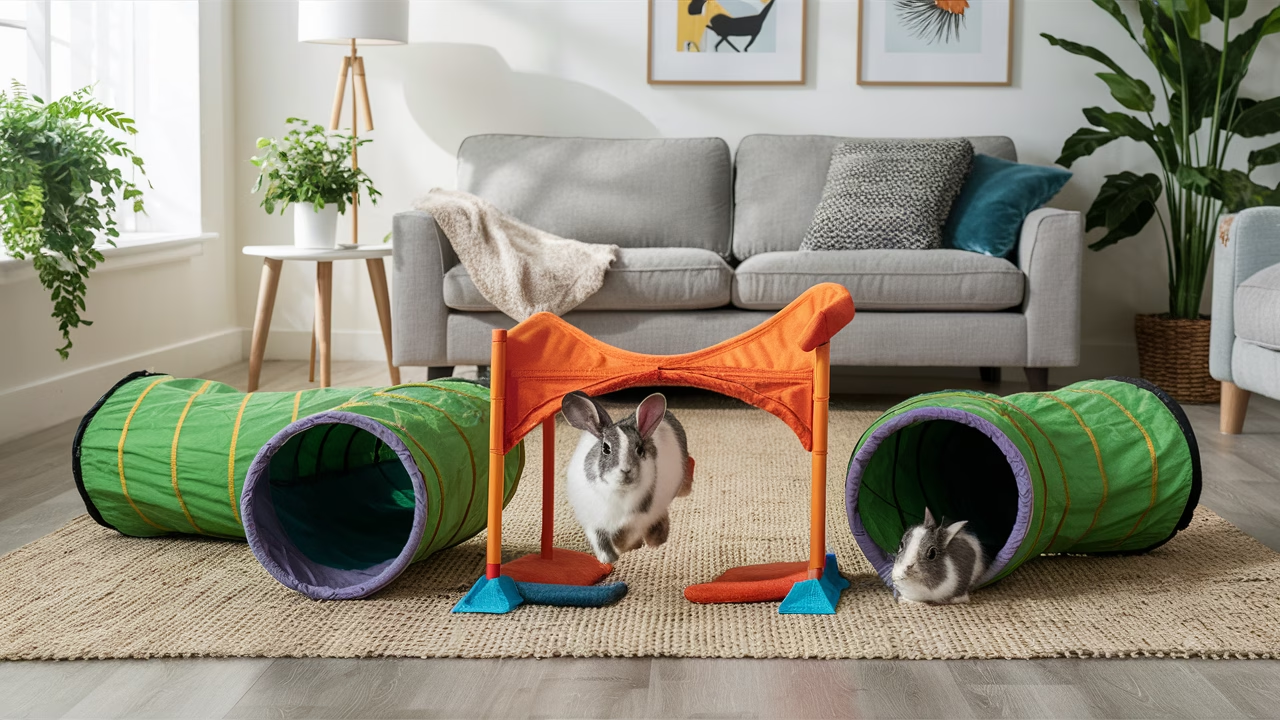
Setting up indoor rabbit agility training doesn’t require expensive equipment. Here’s a starter kit you can build from household items or purchase from pet stores:
| Obstacle | Description | DIY Tip |
|---|---|---|
| Low Jumps | Simple horizontal bars or broomsticks | Stacks of books or shoeboxes for supports |
| Tunnels | Encourage crawling and exploration | Use collapsible kids’ tunnels or cardboard tubes |
| Weave Poles | Tests coordination and obedience | Plastic water bottles half-filled with sand |
| Mini Ramps | Tracks bunny’s balance | Secure wooden board over cushions |
Set up your indoor rabbit agility training course in a quiet, secure room. Use non-slip mats to protect your rabbit from sliding. Always supervise sessions—even indoors, rabbits can miscalculate jumps and need guidance.
2.2 Step-by-Step Training Exercises
These beginner rabbit agility tips will help you build a solid foundation for successful training:
- First obstacle introduction: Let your rabbit explore equipment without pressure. Allow curiosity to spark natural interest.
- Use treat luring: Guide your rabbit using treats or clicker training, rewarding small progressions consistently.
- Train one obstacle at a time: Only after your rabbit masters one element should you introduce the next challenge.
- Encourage, don’t force: Never push your rabbit over jumps. Use praise, patience, and positive reinforcement throughout training.
Taking It Outdoors: Setting Up an Outdoor Course
3.1 Safety Considerations for Outdoor Training
Outdoor rabbit jumping presents exciting opportunities alongside important safety considerations. Before building your outdoor rabbit jumping course setup, prioritize these safety measures:
- Always use secure, enclosed yards or portable fencing to prevent escapes during training sessions.
- Never train in high heat or direct sunlight. Early morning or evening provides ideal conditions.
- Check grass areas for toxic plants, sharp objects, or potential hazards before each session.
- Watch closely for predators—birds of prey can pose threats even in suburban areas.
Your outdoor rabbit jumping course setup should include designated areas for different activities:
| Area | Obstacle Type | Base Material |
|---|---|---|
| Jump Lane | Progressive-height jumps | Soft grass or padded matting |
| Tunnel Zone | Longer and curved tunnels | Plastic tubes or garden tunnels |
| Rally Station | Weave poles and platform | Cushion or foam base for safety |
| Shade Shelter | Cooling rest area | Pop-up canopy or shade cloth |
3.2 Advanced Training Techniques
Once your rabbit confidently navigates individual obstacles, you can progress to these advanced rabbit agility exercises:
- Course chaining: Link multiple obstacles into flowing sequences. Add verbal cues before each task to improve responsiveness.
- Increasing complexity: Gradually add height, distance, or unexpected elements like changing pole placement between sessions.
- Timed runs: Use timers to track progress and encourage your rabbit’s speed and confidence through familiar courses.
Remember—not every rabbit enjoys competition-style pressure. Read your rabbit’s body language and adjust training intensity accordingly for the best results.
Fun and Enriching Activities for Pet Rabbits

4.1 Bonding Through Playtime
Beyond rabbit agility training, these fun activities for pet rabbits provide additional mental and physical stimulation:
- Cardboard box mazes with treats hidden inside for foraging practice
- Dig boxes filled with hay or shredded paper to satisfy natural digging instincts
- Foraging toys and treat puzzles that challenge problem-solving skills
- Play sessions with safe, bunny-proofed toys in supervised environments
- Free roam time with gentle music and your companionship nearby
4.2 Integrating Agility Training into Daily Routine
Think of rabbit agility training as a daily enrichment activity—brief but consistent and rewarding for both you and your rabbit.
Even 10–15 minutes of daily agility practice can significantly enhance your rabbit’s quality of life. Morning sessions work well when rabbits are naturally active. Pair agility training with other bonding activities like grooming or quiet time to create a well-rounded routine.
Keep verbal cues simple—”hop,” “go,” “tunnel”—and always end sessions positively, especially when your rabbit successfully completes a challenging obstacle.
Cost Guide: How Much Does Rabbit Agility Cost?
| Item | DIY Option | Store Purchased |
|---|---|---|
| Starter Jump Set | $10 (reuse household items) | $30–$60 |
| Tunnels | $15 (kids tunnel or cardboard) | $25–$40 |
| Weave Poles | $10 (plastic bottles) | $20–$50 |
| Training Treats | Varies (standard feed) | $5–$15 |
Final Thoughts: Build a Better Bond Through Movement
Rabbit agility training opens the door to a deeper, more fulfilling relationship with your rabbit companion. Whether you’re starting with indoor rabbit agility training or expanding to outdoor rabbit jumping courses, agility builds physical coordination, mental sharpness, and emotional trust between you and your rabbit.
Focus on safety, fun, and positive reinforcement throughout your training journey. The most important achievement isn’t perfect obstacle completion—it’s the joy and confidence you build together through consistent, patient practice.
Frequently Asked Questions (FAQ)
How to agility train a rabbit?
Start by using treats to guide your rabbit through simple obstacles like low jumps or tunnels. Keep training short, positive, and consistent. Never force them—encouragement is key.
Can all rabbits learn agility?
Most rabbits, regardless of breed, can learn agility at their own pace. Age and health may affect how quickly they pick up tasks, but patience often pays off.
Is agility training safe for rabbits?
Yes, as long as obstacles are appropriate in size and surface is non-slip. Always supervise sessions and adapt your course for your rabbit’s size and skill level.
What are some effective beginner rabbit agility tips?
Use treats, start small, train in short sessions, and give lots of praise. Prioritize safety and never punish mistakes—rabbits learn best through positive reinforcement.
Where can I train my rabbit indoors?
Choose a quiet room with enough floor space, such as a hallway, bedroom, or enclosed living room. Use mats, low barriers, and create safe boundaries.
What obstacles should I use for outdoor rabbit jumping courses?
Use grass-safe platforms, tunnels, low hurdles, and shaded rest areas secured within fencing. Avoid concrete or hard surfaces.
How long does it take to train a rabbit?
It depends on your rabbit. Some may start jumping within days; others may take weeks. Consistency, patience, and a calm environment are essential.