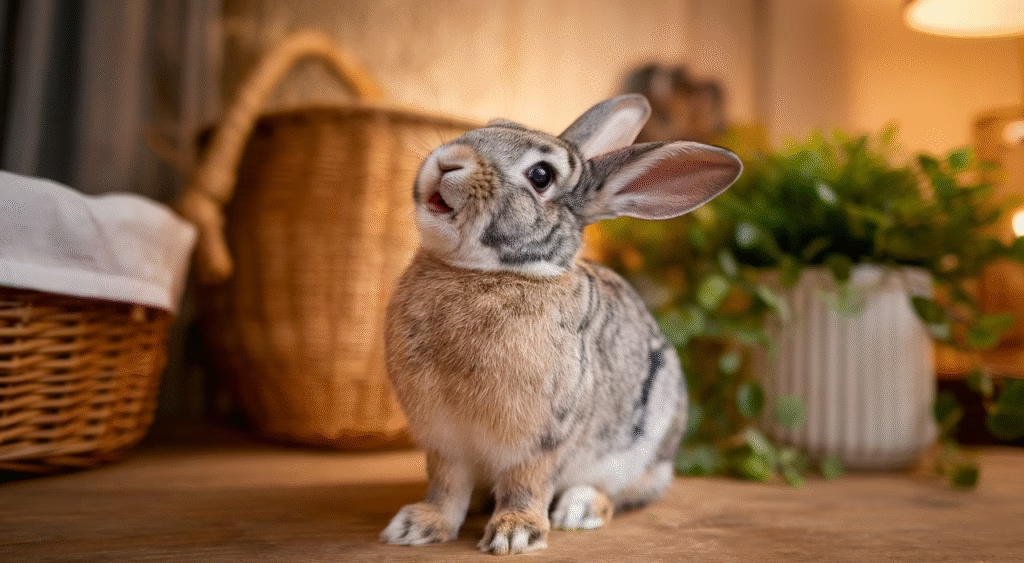
Can Rabbits Really Get Depressed?
As a veterinarian specializing in exotic pets, I can unequivocally confirm that, yes, rabbits can and do experience states akin to depression. These intelligent and sensitive creatures possess complex emotional lives, and just like humans or other companion animals, their mental well-being can be significantly impacted by their environment, social interactions, and physical health.
It’s vital for pet owners to recognize that a rabbit’s stoic nature can often mask underlying distress. They are prey animals, instinctively wired to hide vulnerability, which makes observing subtle changes in their behavior paramount for identifying potential issues. What might appear as mere quietness could, in fact, be a significant indicator of a rabbit struggling with profound sadness or depression. Our role as caregivers is to be attuned to these shifts and provide a supportive, enriching environment to prevent or alleviate such suffering, ensuring their overall Mental Health in Rabbits is prioritized.
Understanding Rabbit Behavior Changes: Key Signs of Rabbit Depression
Recognizing the Signs of Rabbit Depression requires keen observation and a deep understanding of your rabbit’s normal personality and routines. Often, the earliest indicators are subtle deviations from their usual happy-go-lucky selves. These Rabbit Behavior Changes are your first alert that something might be amiss with their emotional well-being. It’s important to note that many of these symptoms can also indicate underlying physical illness, which is why a veterinary check-up is always recommended when you observe such changes.
- Reduced Activity and Lethargy: A typically energetic rabbit may become withdrawn, spending more time hiding, lying down, or showing less interest in exploring their surroundings. They might move slowly or reluctantly.
- Loss of Appetite or Changes in Eating Habits: While a complete refusal to eat is an emergency, even a decreased interest in favorite foods or hay can be a red flag. Pay attention to how much they’re eating and if they’re leaving food uneaten.
- Changes in Grooming: Depressed rabbits may neglect their grooming, leading to a dull or matted coat, especially around their hindquarters. Conversely, some rabbits may over-groom as a coping mechanism, leading to bald patches.
- Aggression or Irritability: A previously docile rabbit might suddenly become nippy, grunt, lunge, or flatten their ears back more frequently. This can be a sign of discomfort, fear, or frustration, common Rabbit Sadness Symptoms.
- Hiding and Withdrawal: An increased tendency to hide away, even from their favorite people or bonded companions, is a clear sign of emotional distress. They may seek out secluded spots more often and resist coming out.
- Alterations in Litter Box Habits: While sometimes indicating a urinary tract infection, a sudden increase in accidents outside the litter box or changes in stool consistency can also be linked to stress and depression.
- Lack of Interest in Play or Interaction: Toys go untouched, and they may ignore your attempts to engage them in play or petting, which they previously enjoyed.
- Repetitive or Stereotypical Behaviors: Pacing, bar chewing, or excessive thumping without an apparent trigger can indicate anxiety or boredom often associated with a depressed state.
- Changes in Sleep Patterns: While rabbits nap frequently, prolonged periods of deep sleep, or an inability to settle and rest, can be concerning.
As a veterinarian, I’ve observed that understanding Rabbit Behavioral Changes requires a baseline knowledge of your individual pet. What’s normal for one rabbit might be a sign of distress in another. Keep a close eye on any persistent shift from their usual joyful, curious demeanor.
What Causes Depression in Rabbits?
Understanding the root causes of depression in rabbits is paramount to effective intervention. From my professional experience, rabbit depression rarely stems from a single factor; more often, it’s a culmination of several stressors. Addressing these underlying issues is key to Cheering Up a Depressed Rabbit.
Environmental Factors and Mental Health
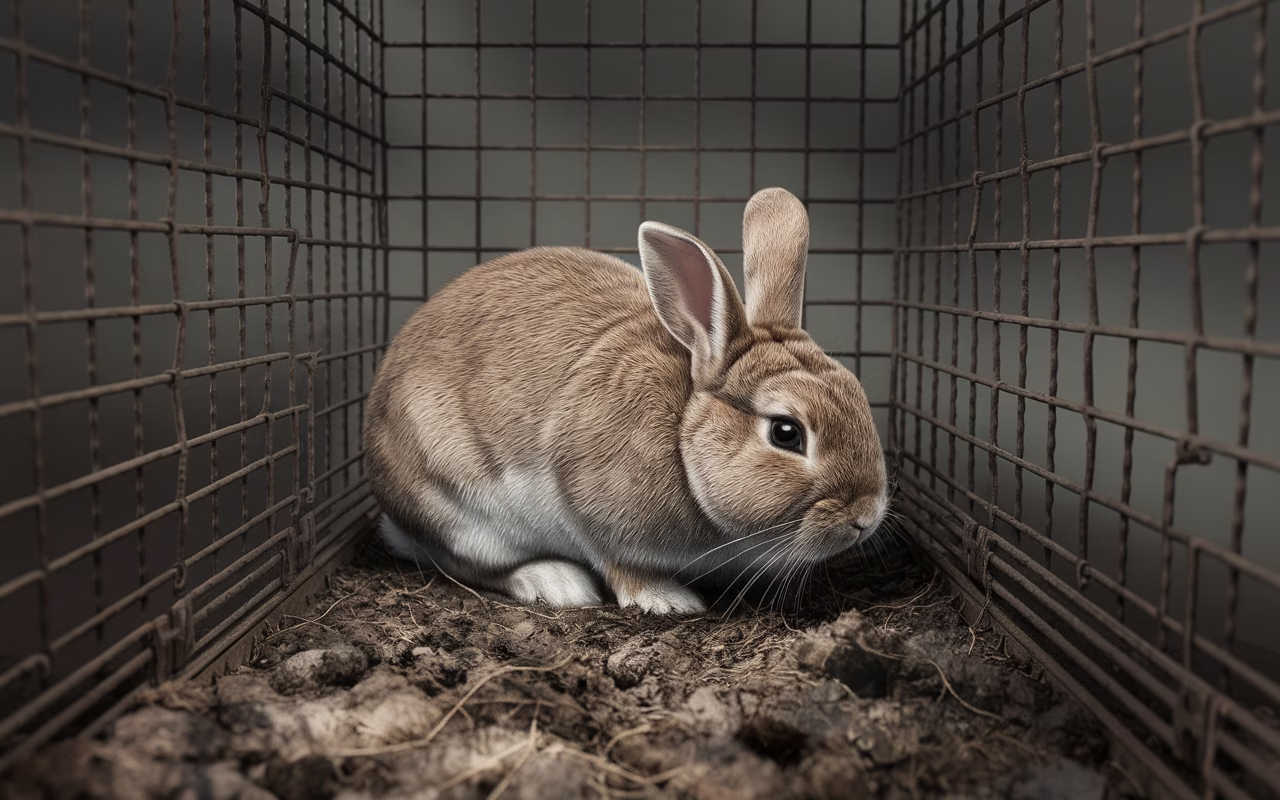
The rabbit’s living environment plays a profound role in their mental well-being. A common issue I encounter is an enclosure that is simply too small. Rabbits need ample space to run, jump, and explore. A cramped cage can lead to chronic stress, boredom, and a feeling of confinement, directly contributing to Rabbit Sadness Symptoms.
- Lack of Enrichment: Without toys, tunnels, chew items, and opportunities to forage and dig, rabbits can quickly become bored and lethargic. Mental stimulation is as important as physical exercise.
- Sudden Changes: Rabbits are creatures of habit. Major changes like moving to a new home, introducing a new pet, or even rearranging their living space can be incredibly stressful.
- Loud Noises or Constant Activity: Being prey animals, rabbits are sensitive to their surroundings. A noisy, chaotic environment can keep them in a perpetual state of anxiety, impacting their Mental Health in Rabbits.
- Inadequate Diet: A diet lacking in proper nutrients, especially sufficient hay, can lead to digestive issues which in turn cause discomfort and stress, influencing their mood and leading to Signs of Rabbit Depression.
Social Isolation and Emotional Well-being
Rabbits are inherently social animals. In the wild, they live in large groups, and companionship is crucial to their survival and happiness. As a result, social isolation is one of the most significant contributors to depression in pet rabbits.
- Lack of Companionship: A single rabbit, particularly one left alone for long periods, can become incredibly lonely. While human interaction is beneficial, it often cannot fully replace the companionship of another rabbit. Bonded pairs tend to be happier and more secure.
- Loss of a Companion: The death of a bonded rabbit partner can be devastating, leading to deep grief and depression in the surviving rabbit. This is a real-life example of emotional trauma in rabbits that I’ve observed frequently in my practice. Owners often need guidance on how to support their rabbit through this period and potentially consider a new companion at an appropriate time.
- Insufficient Interaction with Owners: Even if a rabbit has a companion, a lack of regular, positive interaction with their human caregivers can contribute to feelings of neglect and loneliness.
Beyond environmental and social factors, underlying health issues or chronic pain can also manifest as depression. A rabbit in constant discomfort may exhibit lethargy, aggression, or a refusal to eat, all classic Signs of Rabbit Depression. Therefore, a veterinary examination is always the first step when you notice any significant Rabbit Behavior Changes.
Cheering Up a Depressed Rabbit: Practical Steps and Natural Remedies
Once you’ve identified potential Signs of Rabbit Depression and ruled out any immediate medical issues with your vet, the next step is actively Cheering Up a Depressed Rabbit. This involves a multi-faceted approach, focusing on enhancing their environment, social life, and overall comfort.
Natural Remedies and Comforting Techniques
- Environmental Enrichment: This is fundamental. Provide a spacious enclosure that allows for natural behaviors like running, binkying, and stretching. Add plenty of toys – cardboard boxes, toilet paper rolls, willow balls, and dig boxes filled with shredded paper or hay are excellent. Rotate toys regularly to keep things interesting. Tunnels and hideaways offer security and mental stimulation.
- Increased Social Interaction: Spend more quality time with your rabbit. This can involve gentle petting, talking to them in a soft voice, or simply sitting quietly near their space. If your rabbit is solitary and lonely, consider adopting a compatible, neutered companion. Introducing rabbits requires patience and proper bonding techniques, but the long-term benefits for their Mental Health are immense.
- Dietary Enhancements: Ensure a high-fiber diet consisting primarily of fresh, good-quality hay (80% of their diet), supplemented with fresh leafy greens and a small amount of high-quality pellets. Varied fresh greens can pique their interest and provide essential nutrients. Offer treats sparingly as a positive reinforcement tool, not a dietary staple.
- Consistent Routine: Rabbits thrive on predictability. Establishing a regular schedule for feeding, playtime, and cleaning can provide a sense of security and reduce anxiety.
- Gentle Massage and Grooming: Many rabbits enjoy gentle strokes and massages, especially around their ears and forehead. Regular grooming sessions not only help maintain their coat but also provide an opportunity for bonding and can be very comforting.
- Calming Aromas (Use with Caution): Some owners find that very mild, vet-approved essential oil diffusers (like lavender, heavily diluted and kept away from the rabbit’s direct breathing space) can help create a calming atmosphere. Always consult your veterinarian before introducing any new elements to your rabbit’s environment, as their respiratory systems are highly sensitive.
- Natural Stress Reducers: Certain herbs, such as chamomile or small amounts of oat hay, can have calming properties. Again, always discuss with your vet before introducing any new dietary supplements or herbs to ensure they are safe and appropriate for your rabbit’s specific health needs.
Remember, the goal is to provide an environment that stimulates their natural instincts, fosters a sense of security, and promotes positive emotional experiences. Addressing Rabbit Sadness Symptoms proactively through these methods can lead to a happier, healthier bunny.
TLDR
It’s crucial for rabbit owners to understand that their beloved pets can indeed experience depression. Recognizing the signs early and taking proactive steps is key to their well-being. Here’s a quick summary:
- Can Rabbits Get Depressed? Absolutely. Rabbits are sensitive, intelligent animals with complex emotions, making them susceptible to conditions akin to depression due to various stressors.
- Key Signs to Watch For: Look for Rabbit Behavior Changes such as reduced activity, lethargy, hiding, changes in appetite or grooming habits, increased aggression or irritability, and a general loss of interest in play or interaction. These are common Rabbit Sadness Symptoms.
- Common Causes: Depression often stems from environmental factors like small enclosures, lack of enrichment, loud noises, or sudden changes. Social isolation, particularly the lack of a bonded companion or the loss of one, is a major contributor. Underlying medical conditions and chronic pain are also significant factors.
- How to Cheer Up a Depressed Rabbit: Focus on enrichment (more space, toys, tunnels), increased social interaction (playtime, potentially a bonded companion), a consistent routine, and a healthy diet. Gentle grooming and massage can also provide comfort.
- When to Seek Veterinary Help: If you observe persistent or worsening Signs of Rabbit Depression, or if your rabbit completely stops eating, seek veterinary care immediately. A vet can rule out medical issues and offer further guidance on managing their mental health.
- Prevention is Key: Providing a stimulating, safe, and social environment from the outset is the best way to prevent depression and ensure optimal Mental Health in Rabbits.
When to Seek Professional Veterinary Care for Your Rabbit
While many of the strategies for Cheering Up a Depressed Rabbit can be implemented at home, it is absolutely critical to understand when professional veterinary intervention is necessary. As an exotic pet veterinarian, I cannot stress enough that many behavioral changes that mimic depression can, in fact, be symptoms of underlying medical conditions. Rabbits are masters at hiding illness, and a subtle shift in behavior can sometimes be the only clue to a serious problem.
When to Contact Your Veterinarian Immediately:
- Complete Anorexia: If your rabbit completely stops eating or passing droppings for more than 12 hours, this is a medical emergency requiring immediate veterinary attention. Gastrointestinal stasis can be life-threatening.
- Persistent or Worsening Symptoms: If the Signs of Rabbit Depression persist for several days despite your efforts, or if they seem to be getting worse, it’s time for a professional diagnosis.
- Sudden Aggression or Pain Response: Any sudden, unexplained aggression, especially when handled, could indicate pain.
- Self-Mutilation: If your rabbit is excessively chewing or pulling out their fur, it could be a sign of extreme stress, pain, or parasitic infestation.
- Any Other Concerning Physical Symptoms: Lethargy combined with discharge from eyes or nose, difficulty breathing, limping, or significant changes in urine are all reasons for an immediate vet visit.
Seeking Professional Veterinary Care
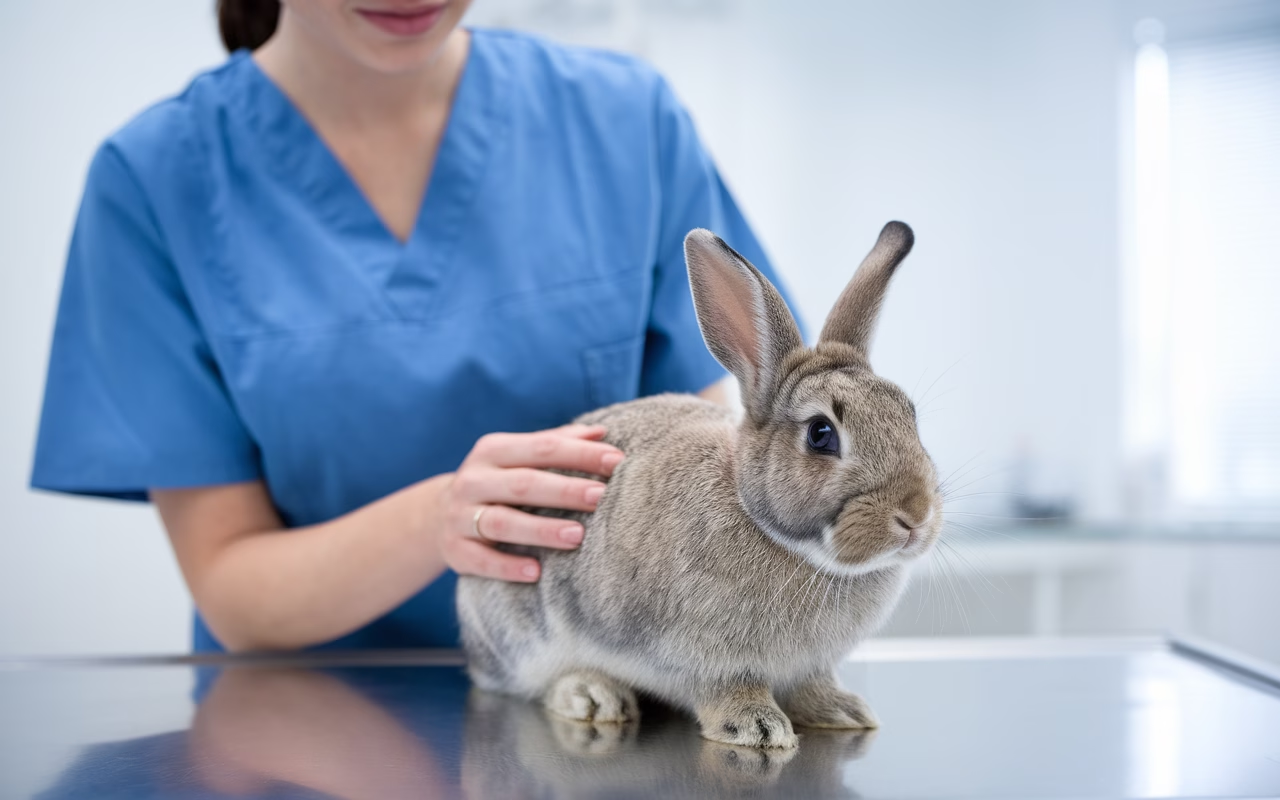
When you bring your rabbit to the vet, be prepared to discuss all observed Rabbit Behavior Changes, their diet, living environment, social interactions, and any recent stressors. Your veterinarian will perform a thorough physical examination, which may include palpating the abdomen, checking teeth, listening to the heart and lungs, and assessing gait and body condition. They may recommend diagnostic tests such as blood work, X-rays, or urinalysis to rule out conditions like dental disease, kidney issues, bladder stones, arthritis, or gastrointestinal problems.
If no underlying physical illness is found, your vet can then work with you to develop a comprehensive plan to address the depression. This might include:
- Environmental Modifications: Specific recommendations for cage size, enrichment, and safe outdoor access.
- Dietary Adjustments: Fine-tuning their diet to ensure optimal nutrition.
- Behavioral Counseling: Guidance on bonding, handling, and managing anxiety.
- Pain Management: If chronic pain is suspected, even mildly, appropriate pain relief can significantly improve mood.
- Medication: In some severe cases of depression or anxiety, a veterinarian may discuss the cautious use of anti-anxiety medications or antidepressants specifically formulated or adapted for rabbits, though this is typically a last resort after other interventions have been exhausted.
Remember, you are your rabbit’s strongest advocate. By being vigilant about their behavior and not hesitating to seek professional help, you can ensure your beloved bunny receives the best possible care and support for their Mental Health in Rabbits.
Frequently Asked Questions
Can Rabbits Get Depressed if They Are Alone?
Yes, absolutely. Rabbits are highly social animals, and social isolation is one of the leading causes of depression in pet rabbits. They thrive on companionship, whether from another bonded rabbit or consistent, positive interaction with their human caregivers. Loneliness can manifest as significant Rabbit Sadness Symptoms.
What are the main Signs of Rabbit Depression?
Key Signs of Rabbit Depression include reduced activity, lethargy, hiding, loss of appetite, changes in grooming habits, increased aggression or irritability, and a general lack of interest in play or interaction. Any significant and sustained change from your rabbit’s normal behavior should be investigated.
How long does Rabbit Depression last?
The duration of rabbit depression varies widely depending on the underlying cause and how quickly interventions are put in place. If the cause is environmental or social and addressed promptly, recovery can be relatively quick. If it’s linked to chronic pain or a deeply ingrained issue, it may take longer to resolve and require ongoing management.
Can I use Natural Remedies for Rabbit Depression?
Natural Remedies for Rabbit Depression can be part of a holistic approach, but always with veterinary guidance. Environmental enrichment, increased social interaction, a healthy diet, and a consistent routine are primary natural methods. Some calming herbs like chamomile can be considered, but consult your vet before administering any new supplements.
Is it possible for a rabbit to die from depression?
While depression itself might not directly cause death, the associated symptoms can be life-threatening. For example, a severely depressed rabbit might stop eating, leading to gastrointestinal stasis, which is a critical condition that can be fatal if not treated urgently by a veterinarian.
How can I prevent Mental Health in Rabbits issues?
Prevention focuses on providing an optimal environment: a spacious, enriched living area, a high-quality diet, a compatible bonded rabbit companion, consistent positive human interaction, a predictable routine, and regular veterinary check-ups to catch any health issues early. Minimizing stress and offering stimulating activities are key.