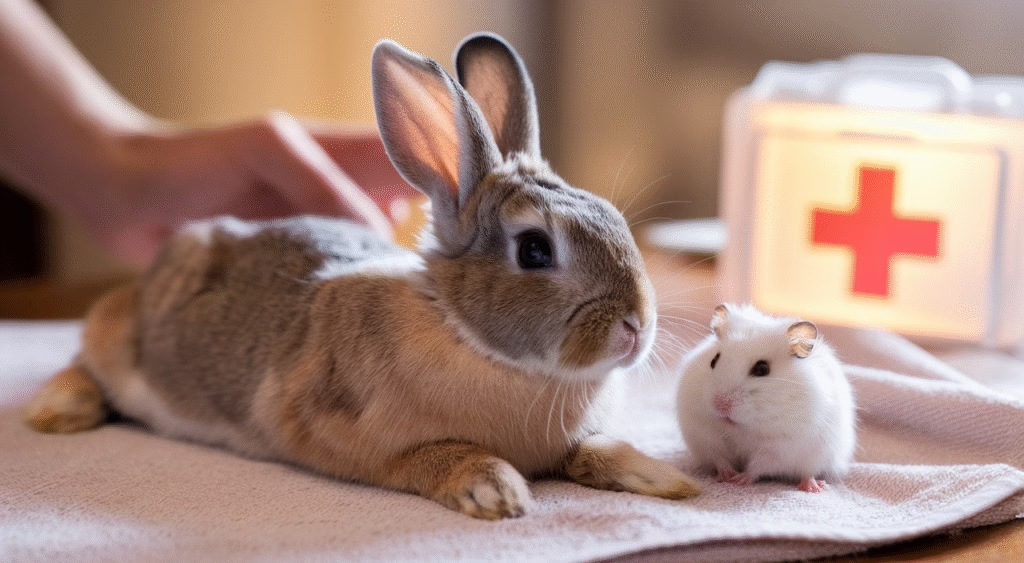
What Should I Do If My Rabbit or Hamster Stops Breathing?
If your rabbit or hamster suddenly stops breathing, stay calm and act quickly. Gently check for signs of life—look for chest movement and listen for a heartbeat. If unresponsive and not breathing, begin performing CPR on small pets immediately using species-appropriate pet CPR techniques, then contact your nearest emergency veterinarian. Fast action can make all the difference in emergency pet care situations.
TL;DR – Quick Summary
- Recognize the signs: Unresponsiveness, no breathing, no heartbeat → Begin CPR.
- CPR steps: Rescue breaths, gentle chest compressions (modified for small anatomy), repeat in cycles.
- Tools needed: Gloves, towel, emergency kit, and contact with your vet.
- Prevention tips: Keep cages hazard-free, supervise playtime, monitor health changes closely.
- Resources: Downloadable guides and emergency checklists included below.
Understanding CPR for Small Pets
When seconds count, your knowledge can become your pet’s lifeline. Performing CPR on small pets is a potentially life-saving measure in emergencies like cardiac arrest, respiratory failure, or trauma. However, unlike dogs or cats, rabbits and hamsters have delicate physiology. Their small size, high heart rate, and fragile rib cages require a gentler, modified approach. Understanding these differences can dramatically improve outcomes and reduce risks during crisis situations.

1. Importance of Learning Pet CPR
Imagine you find your beloved bunny motionless after a fall or your hamster suddenly becomes unresponsive. Precious minutes go by—and a trained response from you could turn the tide. Learning pet CPR techniques is essential for small animal caregivers because:
- Rabbits and hamsters are highly susceptible to cardiac arrest from shock, injury, or overheating.
- Emergency veterinary clinics may not be immediately accessible, especially after hours.
- CPR can restore blood flow and oxygen, increasing the chance of survival until professional help arrives.
Training in small animal CPR doesn’t replace veterinary care, but it bridges the gap between incident and intervention.
2. Step-by-Step Guide to Performing CPR on Rabbits and Hamsters
Here’s a straightforward, pet-safe CPR method you can use in emergencies:
Step 1: Check Responsiveness
- Speak softly or gently touch your pet. No response? Proceed immediately.
- Check for breathing by watching chest movements and feeling airflow through the nose.
- Place your fingers lightly on the chest to sense a heartbeat.
Step 2: Rescue Breathing
- For rabbits: Hold the mouth closed. Place your lips over the nose. Give tiny puffs every 3-5 seconds.
- For hamsters: Use a small straw or create an airtight seal with your lips around the nose/mouth.
- Watch for gentle chest rise. Stop if gasping, coughing, or breathing resumes.
Step 3: Chest Compressions
- Lay your pet on its right side, spine straight.
- Rabbit: Place your thumb and fingers on either side of the chest behind the elbow. Compress 100–120 times per minute.
- Hamster: Use two fingers to gently squeeze the chest at 1/3 normal depth, 120 compressions per minute.
- Use a 30:2 ratio — 30 compressions, 2 breaths.
Step 4: Reassess
- Check every minute for heartbeat and breathing.
- If revived, place in a warm, quiet box and transport immediately to the vet.
CPR for small pets is delicate and tiring. Perform for 5–10 minutes until professional care can be reached or if signs of life return.
3. CPR Techniques for Different Situations
Every emergency is unique. The cause behind your pet’s collapse should influence your CPR approach and follow-up care. Here are a few scenarios:
| Situation | Variation in CPR | Important Tips |
|---|---|---|
| Overheating or heatstroke | Cool the pet before CPR if panting was extreme | Use cool—not ice—packs around body |
| Choking or ingestion | Clear airway before starting breathing | Use tweezers or gentle upside-down shaking for hamsters |
| Trauma (e.g., fall or fight) | Minimize chest pressure during compressions | Transport ASAP after CPR due to internal bleeding risk |
| Electric shock or water submersion | Dry animal, then begin compressions first | Be aware of burns or lung infection afterward |
Here’s what often happens in practice—pet owners try chest compressions too forcefully out of panic. Remember: smaller pets need gentle, consistent compressions and tiny breaths. Precision over pressure.
4. Preventive Measures and Safety Tips for Pet Owners
While mastering pet CPR techniques is vital, prevention will always beat intervention. Safeguard your rabbit or hamster from pet emergencies with these daily care principles:
- Observe changes: Sudden weight drop, isolation, or wheezing can signal health decline.
- Environment matters: Keep enclosures clean, chew-proofed, and temperature-controlled.
- Remove risks: Keep wires, small objects, or predator pets out of reach.
- Regular check-ups: Schedule bi-annual vets visits, or more often for senior or ill pets.
- Emergency kit: Stock it with gloves, gauze, tweezers, eye drops, and your vet’s number.
Proactive emergency pet care significantly lowers the chance of crises. Prevention is your first line of defense—and CPR your last resort.

5. Additional Resources for Emergency Preparedness
Preparedness goes beyond performing CPR on small pets. Bookmark or print these resources to boost confidence when every second counts:
- Printable CPR guides: Tape them beside your pet’s enclosure.
- Pet emergency checklist: Helps you gather vital supplies and details quickly.
- Online training courses: Short, certified programs in small animal first aid.
- Vet contact templates: Save your local clinic’s details in your phone and wallet.
Cost Guide: Emergency Pet Services in Singapore
| Service Type | Estimated Cost (SGD) |
|---|---|
| Basic emergency consultation | 50 – 90 |
| CPR and oxygen support | 80 – 200 |
| Full intensive care (overnight) | 150 – 500 |
| Pet first aid training workshop | 60 – 120 |
Costs can widely vary by clinic and time of day. Emergency services outside working hours or in private hospitals may carry added surcharges.
Frequently Asked Questions
1. How effective is CPR for rabbits or hamsters?
Pet CPR techniques can be effective when performed quickly and correctly. The earlier it’s initiated, the better the chances of restoring breathing and heart function. However, due to the fragility of small pets, outcomes depend greatly on the underlying cause and timing.
2. Can I hurt my pet by doing CPR wrongly?
Yes. Too much pressure can fracture ribs or damage organs. Always use minimal force—just enough to compress the chest about a third of its depth—with clean technique and short rescue breaths.
3. Should I take a pet CPR course?
Absolutely. While guides and videos help, hands-on practice improves muscle memory and confidence. Many workshops now offer courses tailored for small pets like rabbits and pocket animals.
4. How do I tell if my hamster is choking?
If your hamster paws at its mouth, opens its mouth repeatedly, or collapses, it may have airway obstruction. Try gentle back taps or hold it semi-upside-down to dislodge. Then check breathing.
5. Can I use human CPR steps on a small animal?
No. Human CPR involves much more pressure and volume. Small animals require a modified, gentler form due to their size and anatomy. Following CPR for small pets is crucial for safety.
6. What do I do after CPR if they come back?
Monitor without stimulation, keep warm, and transport immediately to a vet. Even if they seem okay, they may have internal injuries or unstable heart function.
7. How long should I continue CPR if there’s no response?
Continue for 5–10 minutes, pausing every minute to check for a heartbeat. If no signs appear after 10 minutes and veterinary help is not possible, it’s likely too late—but this varies for each case.