Can Rabbits Eat Parsley?
Yes—rabbits can eat parsley, and most absolutely love it! But it’s not a free-for-all. As with many leafy greens, moderation is key. When offered correctly, parsley can be a nutritious addition to your rabbit’s daily vegetable rotation.
TL;DR: Quick Take on Feeding Parsley to Rabbits
- Yes, rabbits can safely eat parsley in moderation.
- Parsley is rich in vitamins A, C, and K, and makes a healthy treat.
- Too much parsley can increase oxalic acid levels—linked to kidney and bladder issues in bunnies.
- Limit parsley to 2-3 sprigs, 2–3 times per week.
- Rotate with low-oxalate greens like bok choy, romaine, or dill.
- Tip: Introduce new herbs gradually and watch for digestive upsets or unusual behavior.
The Benefits of Including Parsley in Your Rabbit’s Diet
Why Parsley Can Be a Powerhouse Herb for Rabbits
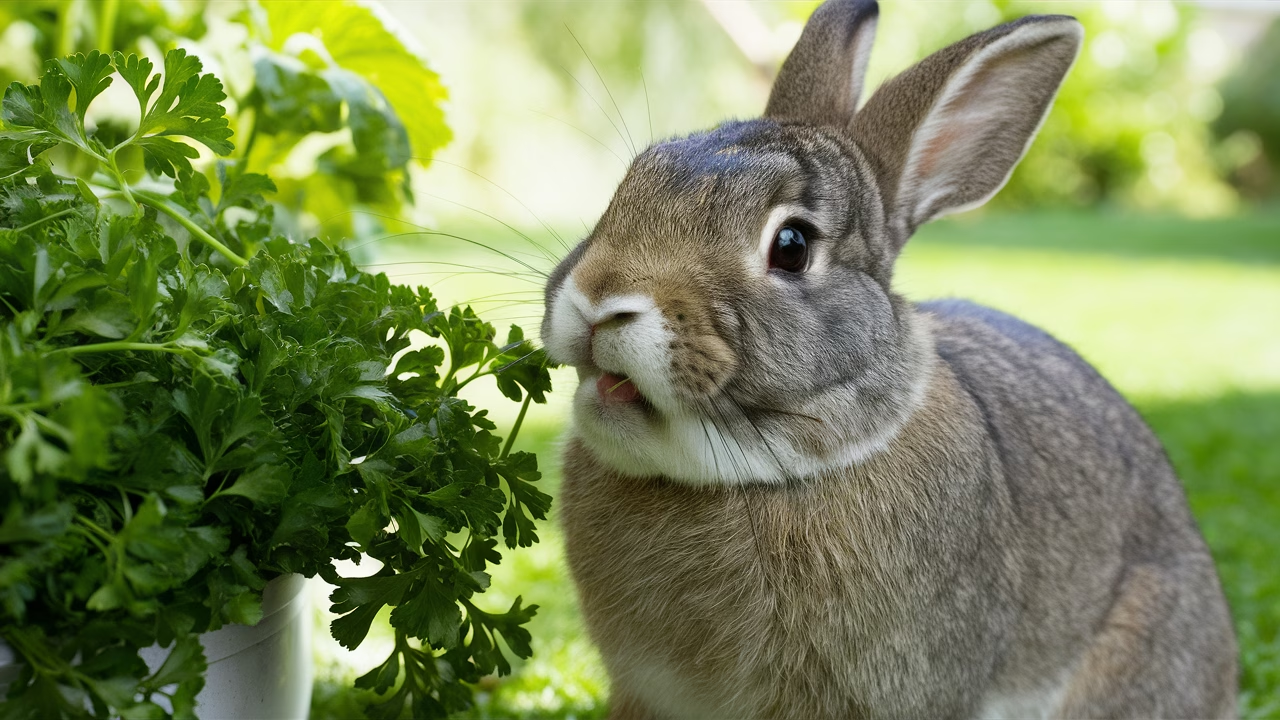
Parsley isn’t just flavorful—it’s a nutrient-packed herb that offers real benefits of parsley for rabbits. Here’s what makes parsley a great (occasional) part of a rabbit’s diet:
- Vitamin A, Vitamin C & Vitamin K: Important for blood clotting, immune function, and connective tissue health.
- Natural diuretic effect: May help eliminate excess fluids and promote urinary tract health—when consumed in balance.
- Abundant fiber: Like other leafy greens, parsley helps maintain a rabbit’s critical digestive motility.
In real-life rabbit care, parsley often serves a dual role—as a healthy treat and a clever mask for bitter medicines. Many experienced bunny owners will tuck crushed pills inside a sprig of curly parsley. That strong aroma? It’s irresistible to many bunnies and can make medicine time smoother.
Risks of Feeding Your Rabbit Too Much Parsley
Understanding the Dangers of Overfeeding Parsley
As wholesome as parsley seems, there’s a darker green side—its relatively high content of oxalic acid. Found naturally in some vegetables and herbs, oxalic acid can become a health risk when fed too often. Understanding these risks of feeding rabbits parsley is crucial for every bunny owner.
Too much oxalic acid can bind to calcium in your bunny’s body, potentially forming crystals that contribute to kidney stones or bladder sludge. That’s not just theory—at my clinic, we’ve seen several cases of rabbits with urinary issues that were directly linked to excessive high-oxalate foods.
Here are some signs that your rabbit may be having a negative reaction to too much parsley:
- Lethargy or reduced appetite
- White or chalky urine (excess calcium elimination)
- Discomfort while urinating or changes in litter box habits
If you notice any of the above, stop feeding parsley immediately and consult your veterinarian.
Recommended Amounts and Frequency of Feeding Parsley
Not sure how much parsley is too much? Here’s a guideline for safe amounts of parsley for rabbits that you can print or bookmark.
| Rabbit Size | Safe Amount | Frequency |
|---|---|---|
| Small ( | 1–2 sprigs | 2x per week |
| Medium (2–4kg) | 2–3 sprigs | 2–3x per week |
| Large (> 4kg) | 3–4 sprigs | 3x per week max |
Always rotate parsley with low-oxalate greens. A wide variety of vegetables ensures your rabbit gets complete nutrition without overloading on any risky compounds.
Alternatives to Parsley for a Balanced Rabbit Diet
Exploring Safe and Tasty Substitutes
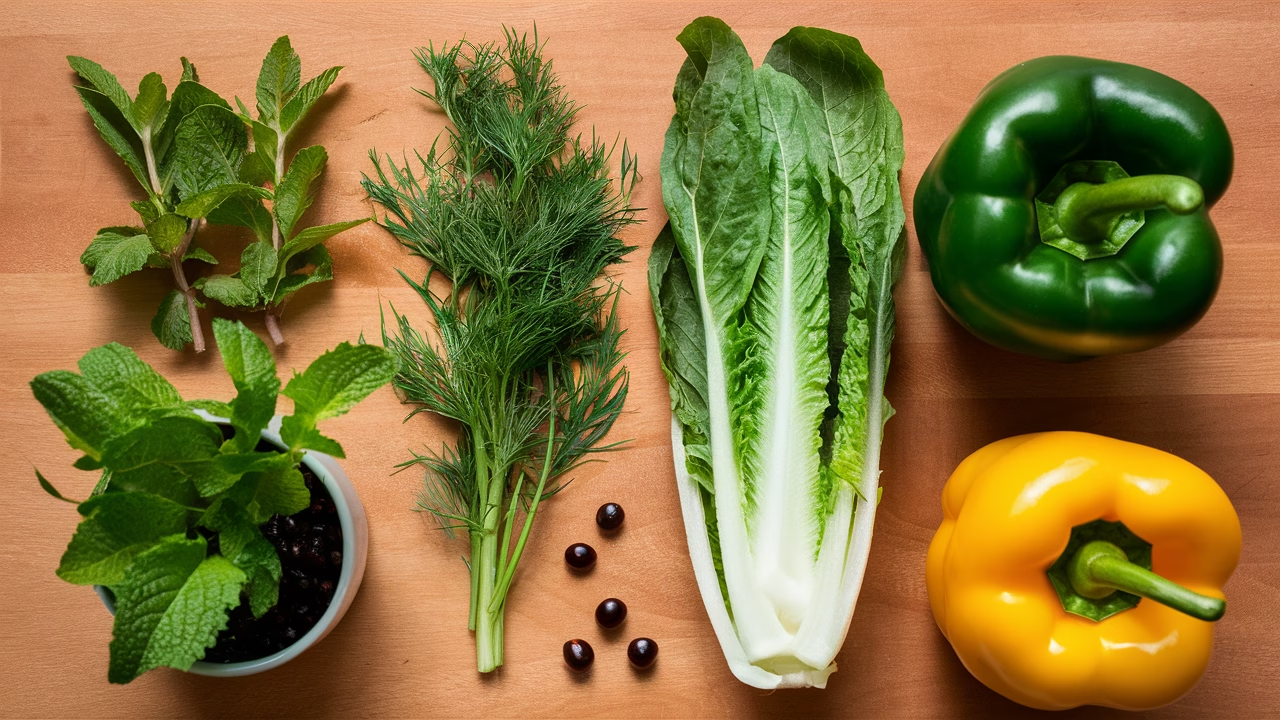
If you’re looking to rotate or substitute parsley, you’re in luck. Plenty of safe, rabbit-friendly herbs can join your bunny’s menu. Many healthy herbs for rabbits besides parsley are lower in oxalic acid and offer similar health perks.
Healthy Herbs for Rabbits Besides Parsley:
- Romaine Lettuce
- Cilantro (light and fragrant)
- Mint (stimulates appetite and adds variety)
- Basil (easy to grow indoors!)
- Dill (another low-oxalate favorite)
Best Parsley Alternatives for Rabbits (Low in Oxalates):
- Bell pepper (varied colors, low in sugar)
- Kale—only in small amounts for calcium-sensitive bunnies
- Bok choy (a crunchy, hydrating option)
- Endive and escarole
Remember, each rabbit is unique. Some may love mint but ignore dill. Try offering a variety in small amounts to see what your bunny prefers. Think of it as building a salad bar for your fluffball!
Cost Guide: Buying Fresh Herbs for Rabbits in Singapore
Feeding rabbits fresh produce doesn’t have to cost a fortune. Here’s what you might expect to spend weekly on parsley and herb substitutes, based on prices updated for in Singapore.
| Produce Category | Low-End (Wet Market) | Mid-Range (Local Grocery) | High-End (Organic/Boutique) |
|---|---|---|---|
| Parsley (100g) | $1.00 | $1.60 | $3.50+ |
| Mint/Dill (30g bunch) | $0.90 | $1.40 | $3.00 |
| Mixed greens (100g) | $1.20 | $2.00 | $4.50+ |
Pro Tip: Drying your own herbs or growing small potted parsley plants on your balcony can drastically reduce costs over time—plus, it’s fresher and safer!
Conclusion: Ensuring Your Rabbit’s Diet is Healthy and Balanced
Your rabbit’s health starts (and thrives) in the food bowl. While parsley is a welcome guest at the table, it shouldn’t hog the spotlight. Its benefits—from immune support to vitamin richness—are real, but only when balanced out with other greens and careful portioning. Avoiding rabbit diet health concerns starts with proper variety and moderation. When in doubt, reach out to a vet or pet nutrition expert.
With proper variety and moderation, parsley and other herbs can become part of a tasty and safe lifestyle that your bunny will love for years to come.
Frequently Asked Questions
How often can rabbits have parsley?
Most rabbits can enjoy parsley 2–3 times per week, depending on size and sensitivity. Always monitor their health and adjust accordingly.
Is parsley safe for baby rabbits?
Baby rabbits (kits) should not have parsley until they are at least 12 weeks old, and only in tiny amounts as part of introducing fresh vegetables gradually.
How do I know if my rabbit is reacting badly to parsley?
Watch for signs like lethargy, decreased appetite, white urine, or discomfort while urinating. These may indicate an issue with oxalic acid or kidney function.
Can I feed dried parsley to my rabbit?
Dried parsley can be sprinkled as an occasional treat but lacks the hydration and full nutrient punch of fresh parsley. It should not replace fresh greens in the diet.
How should parsley be prepared for rabbits?
Wash thoroughly to remove pesticides and serve raw—not cooked. Mix with other safe greens to diversify nutrition.
Do wild rabbits eat parsley in nature?
Wild rabbits typically don’t encounter parsley in the wild, but they instinctively avoid over-consuming bitter or high-oxalate greens.
What herbs should never be given to rabbits?
Avoid chives, garlic, onions, and leeks—these can be toxic and dangerously affect a rabbit’s blood and digestive system.