What is Head Tilt in Rabbits and How Can You Help?
Head tilt in rabbits – also known as torticollis or wry neck – is a neurological condition that causes a rabbit’s head to tilt unnaturally to one side. This can be frightening to witness, especially if your bunny is stumbling or unable to sit upright. But here’s the good news: with the right rabbit head tilt care, many rabbits can recover or adapt comfortably to life with head tilt.
TL;DR – Caring for Head Tilt Rabbits
- Symptoms: Tilted head, loss of balance, rolling, rapid eye movement.
- Causes: Primarily ear infections or E. cuniculi parasitic infection.
- Diagnosis: Requires veterinary exams, blood work, imaging, and analysis.
- Treatment: Antibiotics, antiparasitic meds, anti-inflammatories – tailored by cause.
- Home Care: Soft, padded spaces, syringe feeding, proper hydration, upright support.
- Prevention: Clean habitat regularly, provide a balanced diet, monitor for early signs.
Understanding Head Tilt in Rabbits
Head tilt in rabbits may seem sudden, but it’s often the result of an underlying condition that’s been brewing for a while. When rabbits show signs of imbalance, it’s a sign there’s something affecting their vestibular system — the inner-ear and brain mechanism that controls balance.
Signs and Symptoms to Watch For
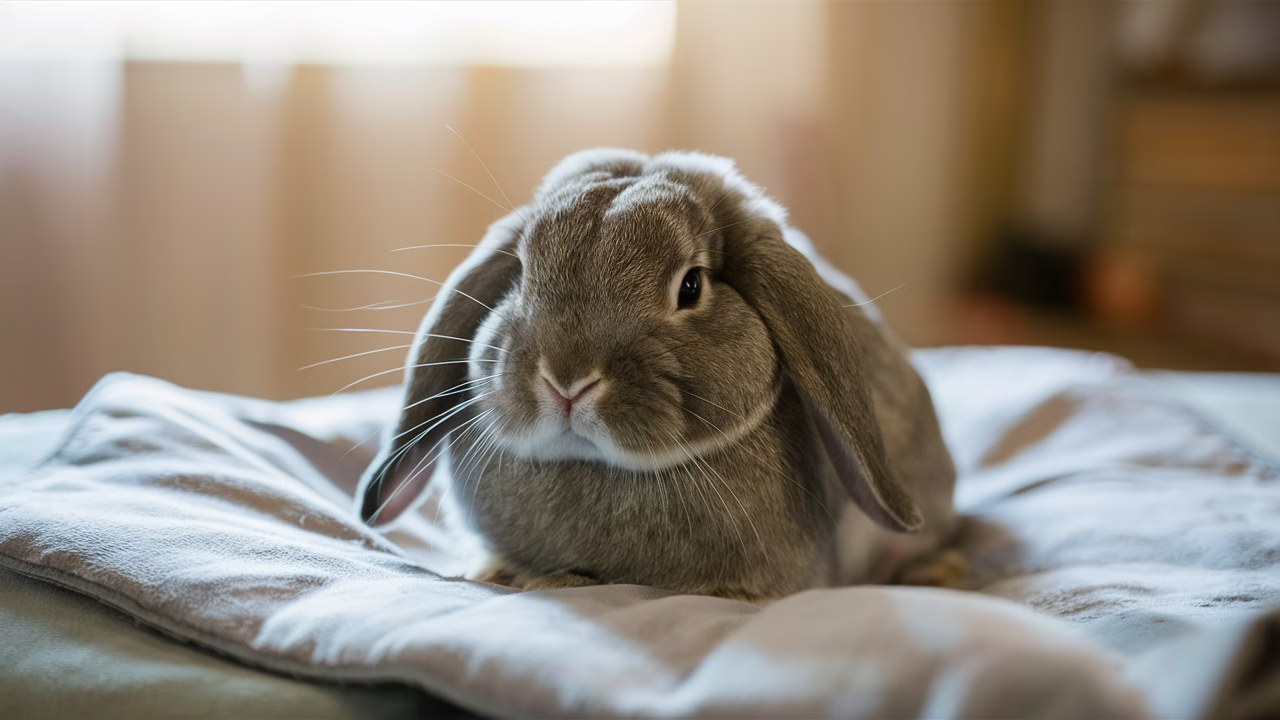
Let’s talk signs. It’s not always dramatic at first. Often, it starts with your bunny tilting their head just slightly to one side. Over time or suddenly, that tilt can become more exaggerated. Here are common symptoms of head tilt in rabbits:
- Noticeable tilt of the head to one side (mild to severe)
- Loss of coordination, falling over, or ‘barrel-rolling’
- Rapid eye movement (nystagmus)
- Circling behavior
- Difficulty eating or grooming
- Loss of appetite or lethargy
If you see any of these behaviors, it’s time to call your vet. Early intervention often makes a significant difference in treating rabbit head tilt successfully.
Common Causes of Head Tilt in Rabbits
Head tilt in rabbits is not a disease — it’s a symptom. The actual cause can vary, but most commonly it comes down to:
| Cause | Description |
|---|---|
| Ear Infection | Middle or inner ear infection, often due to bacteria like Pasteurella |
| E. cuniculi | Parasitic infection affecting the brain and kidneys |
| Trauma | Head or spinal injury impacting balance centers |
| Stroke or Tumor | Less common, but affects the rabbit’s nervous system |
Sometimes the cause isn’t immediately obvious. That’s where vets come in with diagnostic tools for properly diagnosing head tilt in rabbits.
Diagnosing Head Tilt in Rabbits
The first step in treating rabbit head tilt is understanding what’s driving your rabbit’s symptoms. Diagnosing head tilt in rabbits involves piecing together clues from physical examinations, your observations, and diagnostic tests.
Veterinary Examination and Tests
Your vet will start with a full physical exam, including checking the ears, neurological responses, and muscle tone. Here’s what else might be involved when diagnosing head tilt in rabbits:
- Ear Swabs & Cultures: To detect bacterial or fungal infections
- Blood Work: Especially useful to detect E. cuniculi antibodies
- X-rays or CT Scans: Imaging to check for signs of infection, abscess, or trauma
Think of this like detective work. Head tilt in rabbits isn’t always straightforward, and it’s common for symptoms to overlap between causes.
Treatment Options Available
Once the cause is identified, treating rabbit head tilt becomes more targeted. The most common approaches include:
- Antibiotics: If caused by a bacterial ear infection
- Antiparasitics: Like fenbendazole for E. cuniculi infections
- Anti-inflammatories or steroids: To reduce swelling and discomfort
- Fluid therapy: Especially for rabbits not eating or drinking properly
With proper treatment, improvements can take days or even weeks. Unfortunately, some rabbits may always show some tilt, but that doesn’t mean they can’t live happily and comfortably with ongoing rabbit head tilt care.
Home Care for Head Tilt Rabbits
This is where your love and caregiving really come into play. While treatment helps inside the body, rabbit head tilt care at home is essential for comfort, safety, and feeding.
Medication Administration Tips
Giving medicine to a woozy or rolling rabbit can feel like threading a needle during an earthquake. Here’s what’s worked for many when treating rabbit head tilt at home:
- Wrap your rabbit in a soft towel “bunny burrito” to secure limbs and support the spine
- Use oral syringes to deliver liquid medicines slowly along the cheek
- Keep dosage records so you never miss or double up by mistake
- Stay calm and speak softly; even when handling is frequent, your demeanor reassures them
And remember—if it’s too stressful or your bunny’s struggling a lot, ask your vet about easier formulations or giving subcutaneous fluids when necessary.
Creating a Comfortable Living Environment

Think soft, safe, and supportive. Your rabbit needs an environment that prevents injuries and encourages as much independence as possible during recovery from head tilt in rabbits.
- Use padded flooring like fleece over towels to protect against rolling injuries
- Enclose a small area so they aren’t struggling with long distances
- Elevate food/water dishes to reduce head strain
- Hand-feed if necessary, placing leafy greens near their mouth
Bunnies often get depressed during illness, so speak to them gently, stroke them often, and keep their area close to household activity so they don’t feel isolated.
Preventing Head Tilt in Rabbits
You can’t prevent everything. But good rabbit husbandry significantly increases the odds of avoiding both E. cuniculi flare-ups and ear infections — two leading culprits in head tilt in rabbits.
Diet and Nutrition Recommendations
A rabbit’s immune defense starts in the gut. Here’s how to strengthen it daily and reduce the risk of conditions that cause head tilt in rabbits:
- Unlimited grass hay (like timothy) for good fiber
- Fresh greens daily (kale, romaine, cilantro)
- Minimal pellets – only high-fiber, plain types in small quantities
- Fresh clean water changed daily
Keep treats and fruits as special items — too much sugar can mess up the bacterial balance and pave the way for health hiccups.
Hygiene and Grooming Practices
Cleanliness is often overlooked until illness strikes. But here’s what proactive hygiene can solve when preventing symptoms of head tilt in rabbits:
- Clean out litter boxes daily – reduce spread of E. cuniculi spores
- Wipe soiled fur gently – don’t let urine scald festers
- Inspect ears regularly – check for wax buildup or inflammation
- Clip nails to prevent snagging during dizzy episodes
A clean, dry environment and routine grooming go a long way toward preventing secondary infections in sick or recovering buns.
Cost Guide for Treating Head Tilt in Rabbits
Wondering what rabbit head tilt care might cost? Here’s a general guide but keep in mind, costs vary depending on the area and complexity:
| Service | Estimated Cost (USD) |
|---|---|
| Initial vet consult + blood test | $100 – $180 |
| CT or X-ray imaging | $200 – $700 depending on facility |
| Medications (14+ days) | $40 – $150 |
| Follow-up visits | $40 – $100 each |
Final Thought
Head tilt in rabbits is one of those conditions that feels overwhelming at first — for both bunny and human. But here’s the silver lining: with patience, support, and informed rabbit head tilt care, many rabbits make remarkable recoveries or adapt beautifully. You are your rabbit’s biggest advocate, and every step you take to keep them safe, fed, and comforted brings them closer to healing or stability.
No one expects to become a round-the-clock bunny nurse. But the love and bond that form during this time are as healing as any medicine when treating rabbit head tilt.
Frequently Asked Questions
How to treat head tilt in rabbits at home?
At home, ensure your rabbit is comfortable, safe from falls, hydrated, and taking their medications on time. Soft, non-slip bedding and hand feeding may be necessary. Always follow your vet’s treatment plan.
Can head tilt in rabbits go away?
Yes, with appropriate care, some rabbits recover fully. Others may retain a tilt but adapt well. Early treatment and proper home care greatly improve outcomes.
Is head tilt in rabbits painful?
It can be. Pain often results from ear infections or inflammation. Signs of discomfort include grinding teeth and unwillingness to move. Medication can help manage this.
Can other rabbits catch head tilt?
It depends on the cause. E. cuniculi is transmissible via spores in urine. Ear infections are usually not contagious. Discuss quarantine needs with your vet.
What should I feed a head tilt rabbit?
Offer soft soaked pellets, syringe-fed critical care, leafy greens, and unlimited hay. Hydration is key – use a syringe if needed under vet guidance.
How long does it take for a rabbit with head tilt to recover?
Recovery ranges from 1-8 weeks, depending on cause and severity. Some may live well with a permanent tilt.
Should I euthanize a rabbit with severe head tilt?
Not immediately. Many severe cases show significant improvement with time and care. Talk with your vet about quality of life markers before making any decisions.