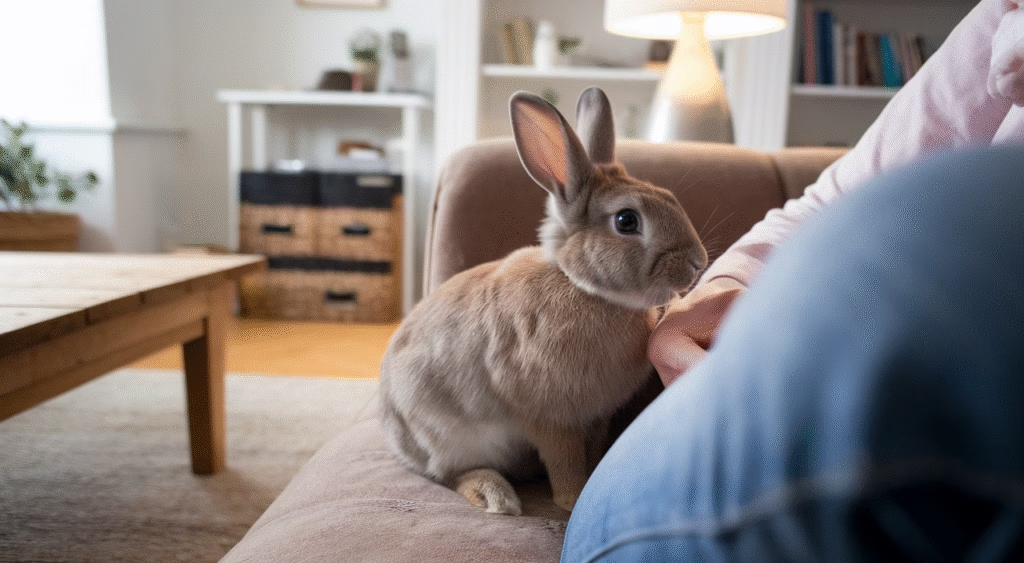
Why Is My Rabbit Thumping?
Rabbit thumping often puzzles owners, especially when it happens at night or seems to have no clear cause. So let’s start with the most pressing question:
Why is your rabbit suddenly stomping their foot, seemingly on high alert?
This behavior—known as rabbit thumping—is one of the most dramatic and expressive forms of communication your bunny has at their disposal. Rabbit thumping can signal alarm, frustration, territorial instinct, or attempts to get your attention. Understanding why your rabbit is thumping is key to helping them feel safe and at peace—especially during nighttime when unfamiliar sounds or scents might trigger this behavior.
TL;DR: Quick Summary of Rabbit Thumping and Solutions
- Why it happens: Rabbit thumping is a survival instinct triggered by fear, unfamiliar environments, startled reactions, or seeking attention.
- Nighttime concerns: Rabbits are crepuscular; more alert in early morning and evening hours. Nighttime rabbit thumping is often triggered by unfamiliar noises or animals.
- What to do: Identify and eliminate potential rabbit thumping causes, adjust your rabbit’s environment, and use calming techniques to reassure them.
- Long term: Build your rabbit’s trust by interacting calmly, creating routines, and enriching their environment.
Understanding Rabbit Thumping Behavior
Rabbit thumping, sometimes called foot-stomping, is one of a rabbit’s most iconic behaviors—and for good reason. If you’ve ever seen your rabbit slam their hind foot against the ground, you know how loud and startling it can be, especially from such a gentle creature. But what motivates this sudden burst of alarm?
Evolutionarily, rabbit thumping is a built-in defense mechanism. In the wild, a rabbit who detects danger will stomp to alert the colony. Domesticated rabbits may no longer have predators at their heels, but that instinct remains hardwired.
Here are some of the main rabbit thumping causes:
- Fear or perceived danger: A sudden sound, a scent, or movement might trigger a threat response and cause rabbit thumping.
- Displeasure or frustration: Rabbits also thump to protest something they don’t like—like a locked hutch door or delayed dinner.
- Communication: In multi-rabbit households, thumping may communicate territory boundaries or emotional states.
- Loneliness or attention-seeking: Yes, your bunny might be thumping because they miss you or want your company.
In practice, you might find your rabbit thumps immediately after a loud bang or even a vacuum cleaner switching on. Other times, they may thump quietly after you’ve turned off the lights—and that’s where nighttime rabbit thumping becomes a major concern for owners.

Nighttime Rabbit Thumping: Causes and Solutions
Ever noticed your rabbit starts thumping just when you’re trying to drift off to sleep? You’re not alone. Many rabbit owners deal with nighttime rabbit thumping rituals that feel both confusing and, let’s be honest—exhausting. So, let’s explore what’s really going on.
Rabbits are crepuscular by nature, meaning they are most active during dawn and dusk. As a result, they are highly aware during the night and early mornings, which can make them more reactive to environmental triggers that cause rabbit thumping.
Common Nighttime Rabbit Thumping Triggers Include:
- New smells or predators outside (including raccoons, cats, or even neighborhood dogs).
- Household noises (buzzing appliances, echoing TVs, creaky floors).
- Inadequate stimulation during the day, resulting in night energy bursts.
- Lack of emotional reassurance or social interaction with you.
Nighttime Rabbit Thumping Solutions:
- Use white noise or soft music to mask unexpected sounds that trigger rabbit thumping.
- Move their enclosure to a quieter, more secure part of the home.
- Establish a pre-bedtime bonding routine to reduce separation anxiety and nighttime thumping.
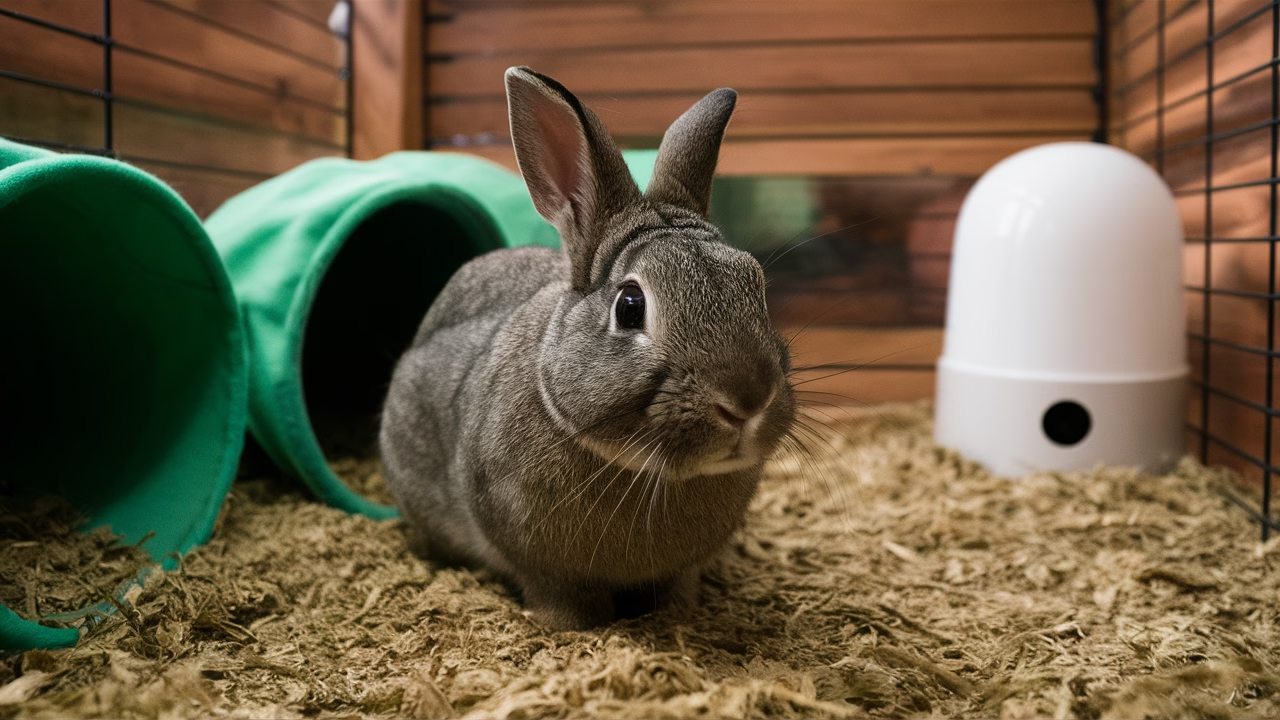
- Offer a cozy hideout or tunnel where your bunny can feel safe.
Real-life example: One rabbit owner noticed increased nighttime rabbit thumping during storms. A low-volume sound machine and a fleece-covered tunnel provided reassurance and dramatically reduced the thumping behavior within a week.
Calming Techniques for a Thumping Rabbit
Once your rabbit starts thumping, your instinct may be to immediately soothe them—but it’s important to approach with calm, measured energy. Remember, a stressed rabbit isn’t always ready to be touched or cuddled. Here’s how to use effective calming techniques to de-escalate rabbit thumping:
- Stay Quiet: Speak gently and avoid sudden movements. Loud responses may reinforce the stress and increase rabbit thumping.
- Assess the Environment: Were there loud noises? Did something move unexpectedly? Remove the source of fear if you can identify what’s causing the rabbit thumping.
- Offer Comfort from Afar: Sit nearby and speak softly. Let your rabbit come to you, if they’re open to reassurance.
- Try Grounding Techniques: A slow hand placed gently on the back (only if welcomed) can sometimes work like a weighted blanket, calming their nerves and reducing thumping.
Over time, your rabbit will begin to associate your presence and voice with safety—and the panic thumps may taper off more quickly when you use these calming techniques consistently.
Creating a Safe Environment for Your Rabbit
Prevention is the best medicine. Much of your rabbit’s thumping can be reduced or eliminated by modifying their habitat. Think of your rabbit’s area like a fortress: cozy, sound-buffered, and filled with familiar stimuli that prevent rabbit thumping triggers.
Here are smart ways to create a safe environment that reduces rabbit thumping:
- Secure Flooring: Hard, slippery floors can cause rabbits to feel unsafe and trigger thumping. Add foam mats or textured fleece for traction.
- Minimize Movement Around Them at Night: Don’t place enclosures in high-traffic corners or near loud appliances that could cause rabbit thumping.
- Introduce Familiar Scents: Use safe toys or bedding that retain your scent to emotionally anchor them during alone time and reduce anxiety-related thumping.
- Lighting Cues: A night light can help rabbits see and feel less disoriented at night, reducing fear-based rabbit thumping.
Tips for Reducing Thumping Behavior Long-Term
Rabbit thumping might never fully disappear—after all, it’s part of rabbit nature—but with the right long-term approach, this behavior can become rare and manageable.
- Maintain a predictable routine: Feed, interact, and clean on a regular schedule to foster trust and security, reducing stress-related rabbit thumping.
- Bond through daily sessions: Short, calm grooming or hand-feeding routines strengthen your rabbit’s sense of safety and minimize thumping episodes.
- Gradual desensitization: If your rabbit thumps at a specific sound, gently and repeatedly expose them in a controlled way, pairing with treats and calm interaction.
- Increase enrichment: Rotate toys weekly, introduce new foraging methods, and allow sandbox digging or exploration time to reduce boredom-related thumping.
Manifesting calm in your presence—and establishing that you are not a source of unpredictability—can drastically reshape how your rabbit behaves under stress and significantly reduce rabbit thumping frequency.
Final Thoughts: Your Rabbit’s Emotions Matter
Rabbit thumping is a piece of your rabbit’s emotional language. While it may seem dramatic or exhausting—especially when it jars you awake—it’s ultimately a plea for reassurance, safety, or communication. With patience, attentiveness, and a few thoughtful adjustments to their space and routine, your rabbit can transition from a stressed thumper to a serene companion.
Understanding rabbit thumping causes and implementing effective calming techniques is all about nurturing their innate need for safety—and once they believe their world is secure, you’ll both enjoy much quieter nights.
Frequently Asked Questions
- What does it mean when my rabbit thumps while alone?
It could indicate fear, attention-seeking, or separation anxiety. Try spending more quality bonding time and offering toys or treats. - Can thumping hurt my rabbit physically?
While usually harmless, excessive or habitual thumping on hard surfaces may lead to sore hocks or stress injuries. Provide soft footing. - Is rabbit thumping a sign of aggression?
Not typically. Thumping is defensive, not offensive. However, if paired with biting or growling, it may signal territorial issues. - Should I pick up my rabbit when they thump?
Avoid it. A thumping rabbit is usually frightened and may react poorly. Stay close, but let them approach once calmer. - Why does one rabbit thump and the others don’t?
Individual sensitivity plays a role. Some rabbits are more reactive due to past experience, temperament, or social status. - Will neutering or spaying reduce thumping?
Yes, in many cases. Hormonal surges can make rabbits more reactive. Altering can lead to a calmer demeanor over time. - Can weather changes affect rabbit thumping?
Storms, wind, and air pressure can make rabbits more anxious. Using white noise or secure hiding spots can reduce reactions.