Why does my rabbit lick my clothes but not my skin?
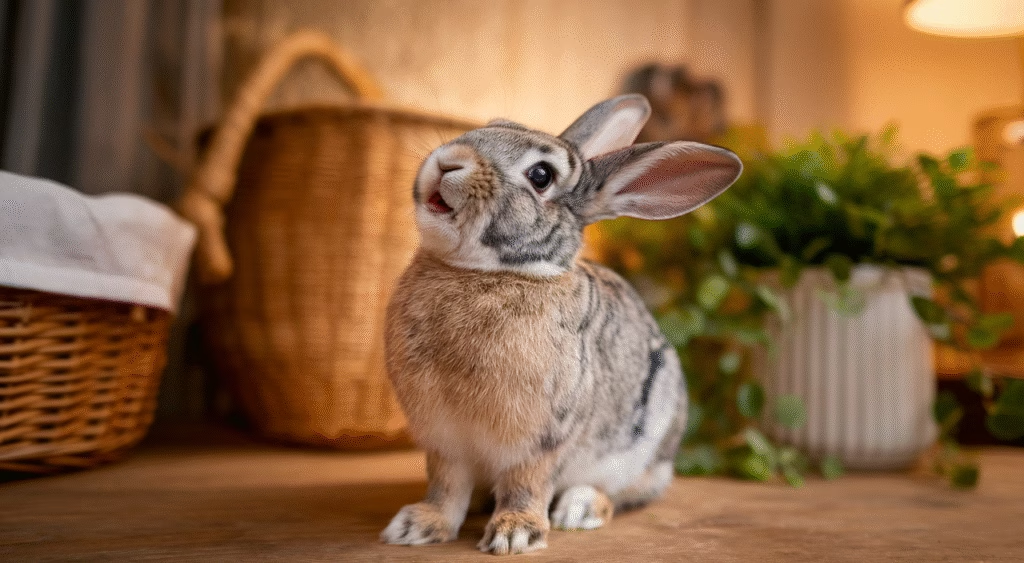
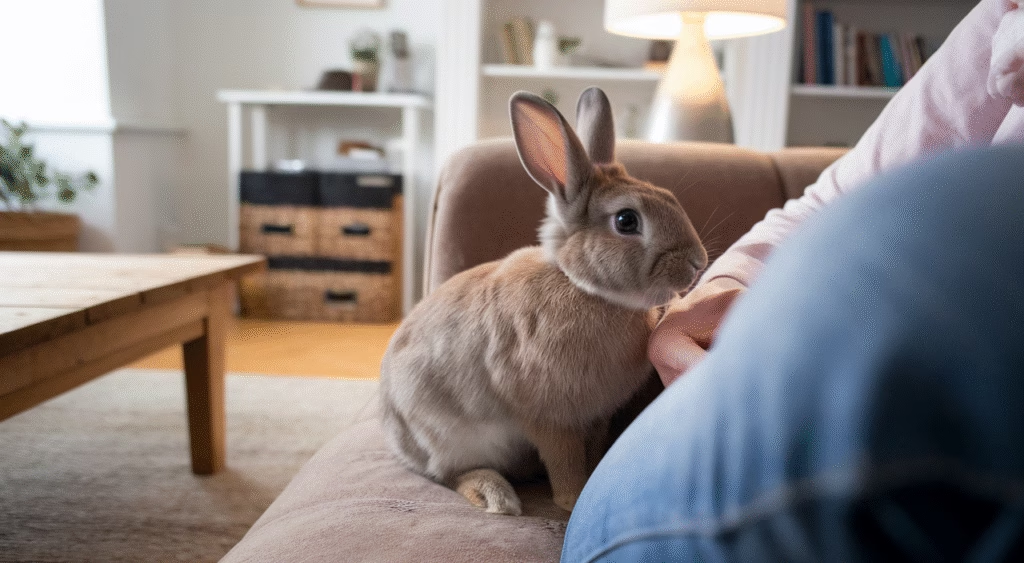
When your rabbit hops onto your lap and begins licking your shirt but avoids your skin, it’s not random — it’s deeply rooted in rabbit instinct and social communication. This rabbit licking habit is a grooming behavior that rabbits use to bond with members of their group. Your clothes carry your scent in a diluted, familiar way, making them a comforting target for rabbit grooming behavior. Bare skin may feel too foreign or lack the appealing textures rabbits seek during grooming.
TL;DR: Key Takeaways About Rabbit Licking Behavior
- Rabbits lick to bond: Licking is part of a rabbit’s grooming and social hierarchy – a powerful rabbit bonding behavior.
- Clothes feel safe: Rabbits often choose fabric because it’s textured, holds scent, and avoids the unpredictability of warm, moving skin.
- Grooming equals trust: If your rabbit grooms you or parts of you, they likely see you as part of their herd. This is a sign of deep trust.
- Strategies for understanding behaviors: Observing the context, frequency, and body language during licking can reveal emotional states like stress, affection, or anxiety.
Why Do Rabbits Lick Clothes?
Imagine walking barefoot through a familiar room versus a hospital corridor. Comfort, scent, and familiarity matter — and the same goes for your rabbit. These rabbit licking habits often target clothing because the texture of fabric replicates the feel of fur and holds your scent without the unpredictable motion or temperature of skin.
Here are common reasons behind rabbit grooming behavior when they choose clothes over skin:
- Texture preference: Fabric is textured like fur and encourages licking through tactile stimulation.
- Scent reinforcement: Clothing represents you without being overwhelming. Warm bare skin may offer less scent retention.
- Security through grooming: In rabbit language, grooming is bonding. Targeting the clothes may feel safer for this expression of rabbit bonding behavior.
When rabbits reject skin and favor fabric, it’s not a rejection of you — they’re interacting with the version of you they find safest to understand.
Understanding Rabbit Grooming Behavior

Grooming as Communication
Rabbit grooming behavior isn’t just cleaning — it’s an emotional connection, a status update, and an alignment of trust. Rabbits spend much of their daily time grooming themselves and each other. So when they take time to groom you — even if it’s just displaying rabbit licking habits with your sleeve — they’re including you in a very special ritual.
Self vs. Social Grooming
| Type of Grooming | Purpose | Common Behaviors |
|---|---|---|
| Self-Grooming | Maintaining coat cleanliness, removing debris | Licking paws then rubbing face, body licking |
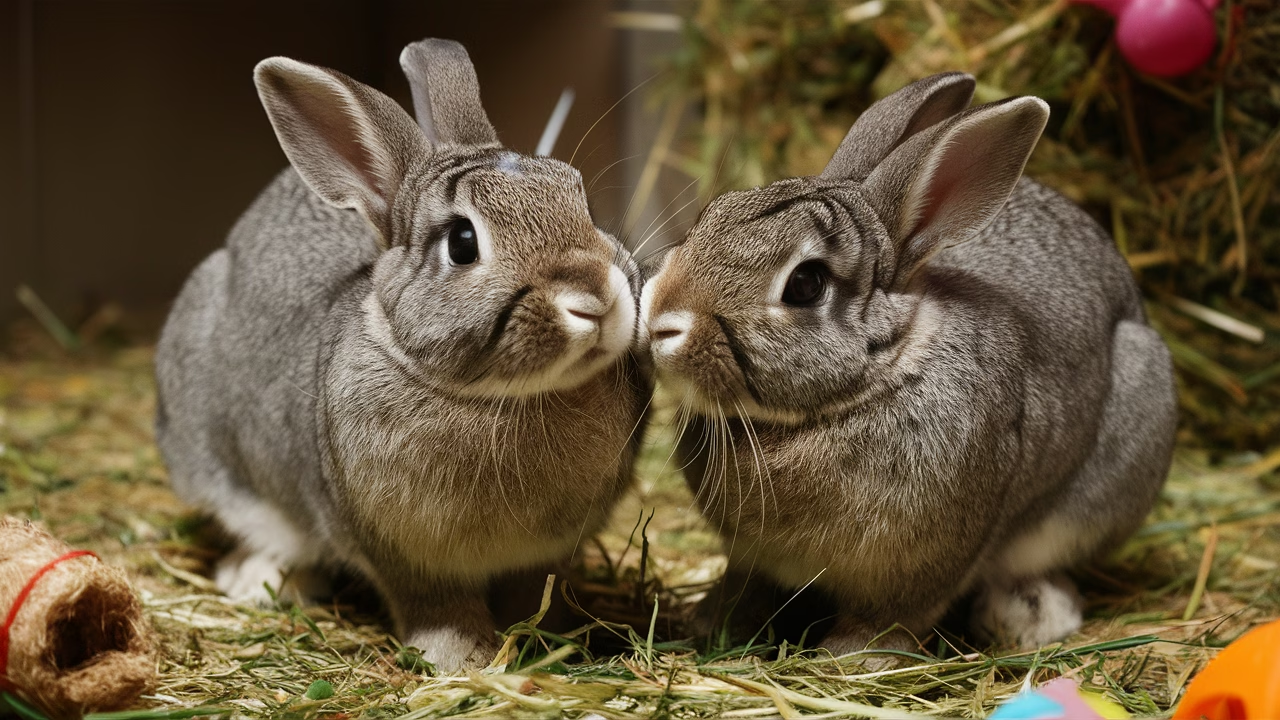
| Social Grooming | Establishing bonds, reaffirming social cohesion | Licking another rabbit’s head, face, ears – or your hands or clothes |
Licking Triggers to Watch
Not all rabbit licking habits are innocent. Sometimes licking excessive objects, themselves, or even you aggressively could indicate boredom, stress, or anxiety — especially when not paired with relaxed body language. Here’s what to observe in your rabbit’s grooming behavior:
- Obsessive repetition: Could signal stress or compulsion.
- Accompanied by thumping or ears back: Could reflect fear or territorial discomfort.
- During cuddling or after brushing: Likely affectionate and positive reinforcement showing healthy rabbit bonding behavior.
The Role of Herd Dynamics in Rabbit Licking Habits
Rabbits are prey species with sophisticated social systems. In the wild, rabbits live in warrens composed of complex herds. Rabbit herd dynamics involve hierarchies, respect, and rituals that define solid relationships — and grooming is one of those vital rituals.
The Hierarchical Power of Licking
Rabbit grooming behavior isn’t always just nice — it’s also hierarchical. The rabbit who receives grooming is often dominant, while the one who initiates it is showing submission or a desire to connect. If your bunny displays rabbit licking habits with your clothes, think of it as a gentle placing of you in their social structure through rabbit herd dynamics. You’re either someone worth appeasing or someone they adore.
How Does This Translate to You as a Human?
When rabbits lick areas like your sleeves, legs, socks, or even shoes, they’re not just exploring textures — they’re placing you in their mental herd through rabbit bonding behavior. Size alone makes you the big bunny, but your behavior and scent communicate your emotional availability. Gentle, consistent interactions strengthen your role in their rabbit herd dynamics.
Deciphering Rabbit Bonding Behavior
Signs Your Rabbit Considers You a Bond Mate
- Shows consistent rabbit licking habits with your clothing
- Flops or loafs next to you
- Follows you or demands attention
- Binkies or does a sudden leap in your presence
What If They Don’t Show Rabbit Licking Habits at All?
Not all rabbits are big on licking — just like people show affection differently. Their rabbit bonding behavior may be more visual or spatial, like following you or laying near you. Some rabbits may avoid licking because of traumatic past experiences, discomfort, or personalities that lean more independent than affectionate. That doesn’t diminish their bond.
How to Encourage Positive Rabbit Grooming Behavior
If you’re hoping to encourage this bonding language and healthy rabbit licking habits, here’s what we often recommend:
- Pet your rabbit near their cheeks and base of ears. These zones trigger mutual grooming memory and support rabbit bonding behavior.
- Wear a worn T-shirt or sweater when interacting. Your scent in familiar form makes your presence less overwhelming for rabbit grooming behavior.
- Build routine. Consistent meal times, interaction times, and calm body language create a trusting environment where rabbit herd dynamics and grooming can flourish.
Final Thoughts: Let Your Rabbit Talk Through Grooming
Rabbit licking habits aren’t as simple as they look — they’re fluent bunny language. Whether your rabbit only licks your hoodie or gives your toe a tentative kiss, each act of rabbit grooming behavior reveals trust, emotional comfort, or social signaling. By tuning into your rabbit’s licking habits and the rabbit herd dynamics behind them, you get a front-row seat to a private world of meaning and connection.
Remember: you’re not just a caretaker. In your rabbit’s eyes, you’re part of the herd. Whether they’re showing rabbit licking habits with your sleeve or simply leaning in for a cuddle, that’s them whispering, in bunny language through rabbit bonding behavior, “You’re one of us.”
Frequently Asked Questions
Why do rabbits lick clothes?
Rabbit licking habits target clothes because fabric holds your scent and mimics fur-like textures, making them feel safe and comforted during rabbit grooming behavior.
Is rabbit licking a sign of affection?
Yes, rabbit licking habits are often a sign of affection and rabbit bonding behavior. In rabbit herd dynamics, mutual grooming is a key part of maintaining relationships and hierarchy.
Why won’t my rabbit lick me directly?
Some rabbits find bare skin unusual or overwhelming. They may feel more secure displaying rabbit licking habits on textured surfaces like clothing, which resemble the feel of fur in their rabbit grooming behavior.
Should I worry if my rabbit licks obsessively?
Excessive or compulsive rabbit licking habits might signal stress, anxiety, or insufficient stimulation. If paired with aggression or nervous body language, consult a rabbit-savvy vet or behaviorist about your rabbit’s grooming behavior.
Can I encourage my rabbit to trust me more?
Consistency, gentle handling, respecting their space, and positive interactions build trust. Rabbit licking habits and bonding behavior may follow once the relationship solidifies through understanding rabbit herd dynamics.
Do bonded rabbits lick each other a lot?
Yes, strongly bonded rabbit pairs often show mutual rabbit grooming behavior and rabbit licking habits as part of their daily ritual. It’s a trust-driven behavior rooted in rabbit herd dynamics.
My rabbit used to lick me and stopped. Why?
Changes in rabbit licking habits can indicate shifting moods, stress, illness, or environmental changes affecting their rabbit bonding behavior. Observe for other signs or talk to your vet for insights.