How Can I Train My Rabbit to Do Tricks and Build Trust?
Yes, you absolutely can train your rabbit using proven techniques that build trust and deepen your connection. Clicker training for rabbits works through positive reinforcement, helping you teach new behaviors while nurturing a stronger bond with your bunny.
TL;DR: A Quick Guide to Rabbit Training
- Clicker Training Works: Uses consistent sounds and rewards to help your bunny learn quickly through positive reinforcement.
- Right Tools Matter: Choose a soft-sounding clicker and high-value treats your rabbit craves.
- Start with Simple Tricks: Master spinning in circles and hoop jumps to build confidence.
- Keep Sessions Short: Train your rabbit for just a few minutes daily to avoid overwhelm.
- Bonding Improves Behavior: Rabbits trust you more when they feel understood and encouraged.
1. Introduction to Clicker Training
Wondering if you can train your rabbit like other pets? Absolutely! Clicker training for rabbits is remarkably effective when you use positive reinforcement techniques. This method taps into your rabbit’s natural intelligence and desire to learn.
Clicker training uses a simple device to mark the exact moment your rabbit performs the desired behavior. You follow each click with a reward, helping your bunny connect actions with positive outcomes. Over time, this creates clear communication between you and your rabbit.
Training provides essential mental stimulation for rabbits. These intelligent animals possess strong problem-solving abilities and need cognitive challenges. When you train your rabbit, you’re offering enrichment that keeps their minds active and engaged.
2. Essential Tools for Bunny Tricks
2.1 Choosing the Right Clicker

Selecting the right clicker is crucial for successful rabbit training. Rabbits have sensitive hearing, so avoid loud, harsh clickers that might startle them. Choose a quieter model or use a retractable pen’s soft click as an alternative. Consistency matters most – once you select your sound marker, use it throughout all training sessions.
2.2 Selecting Treats Your Rabbit Loves
Identify high-value rewards that motivate your rabbit during training sessions. Whether it’s fresh herbs, small fruit pieces, or favorite pellets, the treat should be irresistible yet healthy. Keep portions small – no bigger than a raisin – to prevent overfeeding during multiple repetitions.
| Type of Treat | Ideal Use | Frequency |
|---|---|---|
| Fresh Herbs (parsley, basil) | Mid-level rewards | Daily |
| Dried Fruit (banana, apple) | High-reward moments | 1–2 times/week |
| Pellets | Everyday training | Daily |
3. Easy Tricks for Beginners
3.1 Spinning in Circles
This beginner-friendly trick builds on rabbits’ natural circling behavior. Hold a treat near your rabbit’s nose and slowly guide them in a complete circle. The moment they finish the spin, click and reward immediately. Practice this simple trick for 2-3 minutes per session, allowing your rabbit to master the movement gradually.
3.2 Jump Through a Hoop
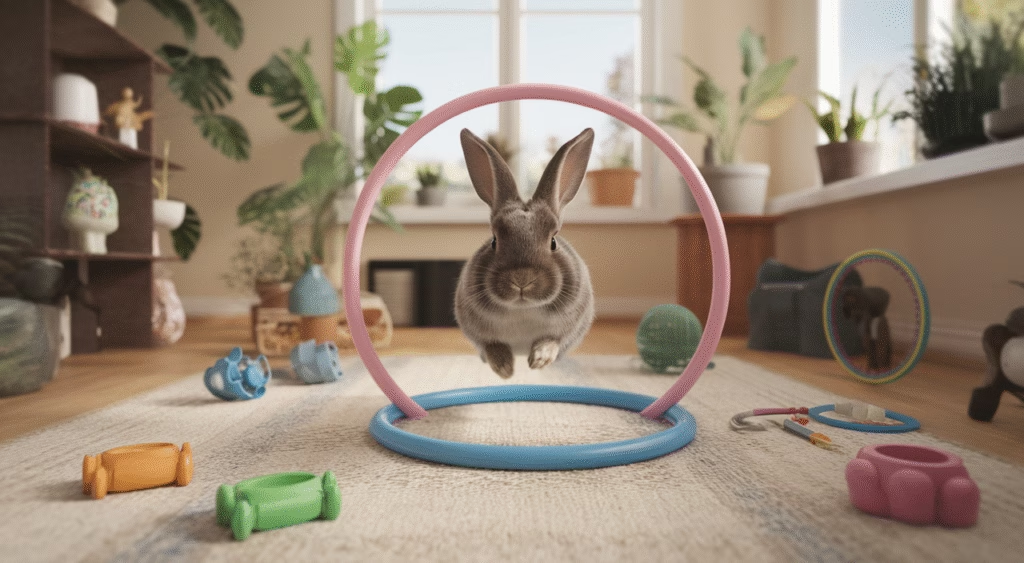
Start with the hoop resting on the ground to train your rabbit without pressure. Use treats to guide them through the opening, clicking and rewarding each successful pass. Gradually raise the hoop height as your rabbit becomes comfortable, creating an impressive jumping trick that showcases their agility.
4. Advanced Techniques for Enrichment
4.1 Agility Course Challenges
Create engaging agility courses using household items like cardboard boxes, tunnels, and small ramps. This advanced training provides excellent physical and mental stimulation. Click and reward your rabbit for completing each obstacle, building their confidence while strengthening your bond through positive reinforcement.
4.2 Fetching Games for Mental Stimulation
Many rabbits can learn to fetch with patience and proper technique. Start with soft toys or balls, rewarding your rabbit for any interaction with the object. Gradually shape the behavior by clicking when they move the item toward you, turning training into an interactive game.
5. Nurturing the Bond with Your Rabbit
5.1 Communication and Trust Building
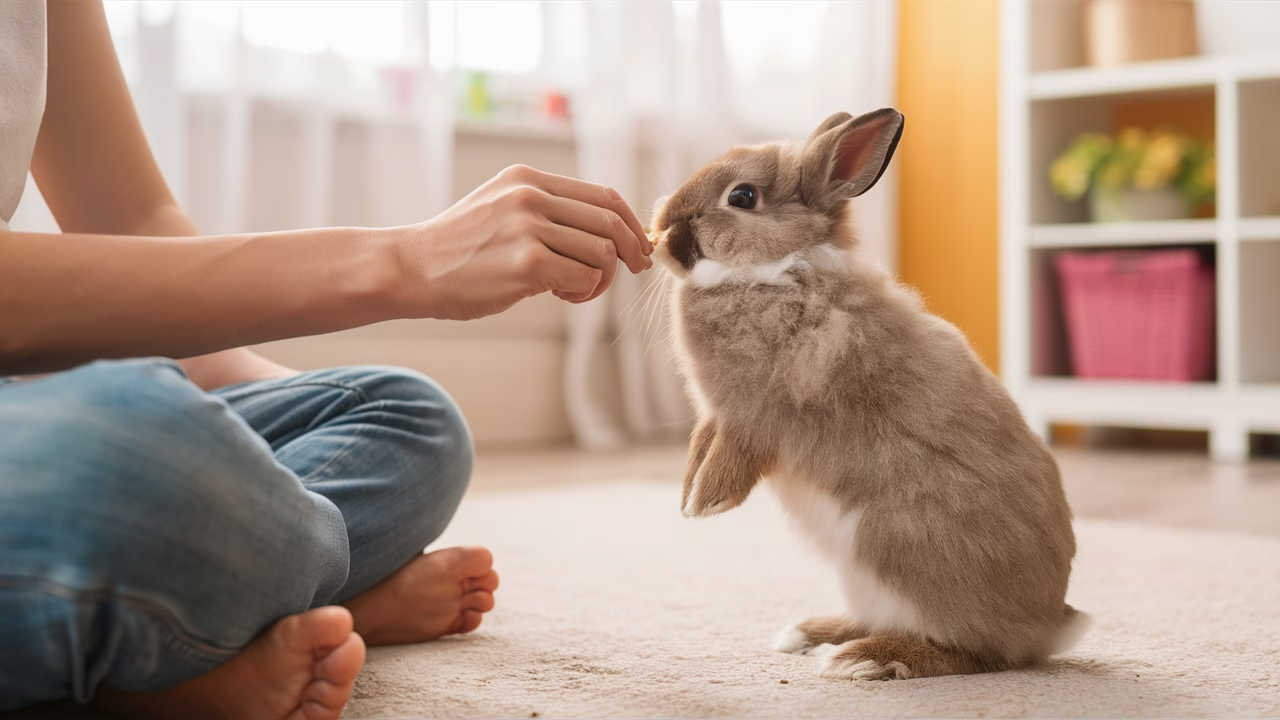
Training your rabbit creates a unique communication system between you both. Since rabbits are naturally cautious prey animals, consistent positive reinforcement helps them see you as a source of safety and enjoyment rather than stress.
Speak gently during training sessions, respect your rabbit’s comfort zones, and maintain predictable routines. Watch their body language carefully – ear position, eye contact, and posture all communicate how they’re responding to your training efforts.
5.2 Overcoming Training Challenges
When your rabbit seems unresponsive, evaluate the training environment first. Ensure the space is quiet, familiar, and free from distractions. Check if your rabbit is too hungry, too full, or simply not in the mood for learning.
Keep training sessions brief – two five-minute sessions work better than one lengthy period. Remember that rabbits learn at different paces, so celebrate small victories as you build trust through positive reinforcement.
Patience remains key to successful rabbit training. Some bunnies eagerly engage while others need more time to feel comfortable. Each small step forward represents progress in your bonding journey.
6. Cost Breakdown of Rabbit Training at Home
| Item | Estimated Cost | Notes |
|---|---|---|
| Clicker | $2–$7 | Or use a retractable pen |
| Treats | $5–$10/month | Depends on type and freshness |
| Hoop/Toys | $5–$15 | DIY using household items |
| Agility Course Supplies | $10–$20 | Cardboard tunnels, tunnels, boxes |
Final Thoughts
Learning how to train your rabbit creates lasting benefits for both you and your bunny. With proper clicker training techniques, patience, and positive reinforcement, you’re building more than tricks – you’re developing trust and communication. Start with simple techniques, keep sessions enjoyable, and watch as your bond with your rabbit grows stronger through each training success.
Frequently Asked Questions
Can you train an older rabbit?
Yes! Older rabbits respond well to clicker training and positive reinforcement. You may need to adjust session lengths or modify treat types, but the fundamental training principles work effectively regardless of age.
How long does it take to teach a trick?
Training timelines vary by rabbit and trick complexity. Simple behaviors like spinning may be learned in a few sessions, while advanced tricks can take several weeks of consistent positive reinforcement.
What should I do if my rabbit loses interest?
End training sessions on a positive note when your rabbit seems disengaged. Always finish with a successful behavior to maintain positive associations with the training experience.
Can clicker training help with litter box habits?
Absolutely! You can use the same positive reinforcement principles to encourage proper litter box behavior – simply click and reward when your rabbit uses their designated bathroom area.
Is it safe to train every day?
Daily training sessions benefit most rabbits when kept short and positive. Monitor your rabbit’s energy levels and mood, avoiding training when they seem stressed or tired.
Are there dangerous treats I should avoid?
Never use chocolate, iceberg lettuce, or sugary human foods as training rewards. Stick with rabbit-safe options like fresh herbs, limited fruits, and quality pellets during training sessions.
Can my rabbit learn their name?
Yes! Through consistent clicker training and positive reinforcement, rabbits can learn to recognize and respond to their names when called.
{“@context”:”https://schema.org”,”@type”:”BlogPosting”,”headline”:”Mastering Clicker Training: Unlock 3 Easy Rabbit Tricks”,”description”:”Train your rabbit using clicker training and boost bonding. Learn 3 easy tricks, essential tools, and positive reinforcement techniques.”,”datePublished”:”2024-06-10″,”publisher”:{“@type”:”Organization”,”name”:”Stray Wabbit”,”logo”:{“@type”:”ImageObject”,”url”:”https://straywabbit.com/wp-content/uploads/the-stray-wabbit-1.jpg”}},”mainEntityOfPage”:{“@type”:”WebPage”,”@id”:”https://straywabbit.com/”},”keywords”:[“clicker training for rabbits”,”rabbit training tricks”,”bonding with your rabbit”,”teaching your bunny tricks”,”positive reinforcement training”,”easy rabbit tricks for beginners”,”positive reinforcement bunny training”,”developing a strong bond with your rabbit”,”bunny training techniques”,”clicker training benefits”,”training games for rabbits”],”mainEntity”:[{“@type”:”Question”,”name”:”Can you train an older rabbit?”,”acceptedAnswer”:{“@type”:”Answer”,”text”:”Yes! Older rabbits can learn just as well as younger ones. You may need to adapt training durations or reward types, but the principles remain the same.”}},{“@type”:”Question”,”name”:”Can clicker training help with litter box habits?”,”acceptedAnswer”:{“@type”:”Answer”,”text”:”Yes, you can reinforce desirable bathroom behavior the same way you train tricks — mark the behavior with a click, then reward.”}},{“@type”:”Question”,”name”:”Can my rabbit learn their name?”,”acceptedAnswer”:{“@type”:”Answer”,”text”:”Yes! With consistency and positive reinforcement, rabbits can recognize and respond to their name when called.”}}]}