Why Are Many Common Pet Store ‘Treats’ Harmful to Your Rabbit?
As a veterinarian specializing in small animals, I often encounter rabbit owners eager to provide the best for their beloved companions. However, a common misconception, fueled by deceptive marketing, is that all ‘treats’ sold in pet stores are safe or beneficial for rabbits. This couldn’t be further from the truth. Items like ‘yogurt drops,’ candy-coated peanuts, and even human foods such as donuts, are not only unsuitable but can be profoundly dangerous, leading to severe health complications for your bunny. Understanding why requires a closer look at the unique and delicate nature of rabbit digestion.
TL;DR: Key Takeaways for Rabbit Digestive Health
- Harmful ‘Treats’: Yogurt drops, candy-coated peanuts, and sugary foods like donuts are highly dangerous for rabbits due to their inability to properly digest sugars and dairy.
- Unique Digestion: Rabbits are hindgut fermenters with a sensitive digestive system reliant on a high-fiber diet, primarily hay, to maintain essential bacterial balance in their cecum.
- Digestive Risks: Feeding inappropriate treats disrupts gut flora, leading to conditions like gastrointestinal stasis, diarrhea, and other life-threatening digestive issues.
- Safe Treats: The best healthy rabbit treats include unlimited hay, fresh leafy greens, and very small, infrequent amounts of certain fresh fruits or non-starchy vegetables.
- Bacterial Balance is Key: Maintaining proper bacterial balance is crucial for nutrient absorption and overall rabbit health, primarily achieved through a hay-rich diet and avoiding sugary, starchy, or dairy products.
- Expert Guidance: Always consult with a veterinarian specializing in small animals for tailored advice on rabbit nutrition and concerns about rabbit digestive health.
The Dangers of Yogurt Drops for Rabbits
Let’s address one of the most insidious culprits found on many pet store shelves: the notorious ‘yogurt drop.’ While marketed as a delightful reward, these seemingly innocuous treats pose a significant threat to your rabbit’s digestive health. The primary issues stem from their core ingredients: high sugar content and dairy.
Rabbits are herbivores, evolved to digest a diet rich in fiber from grasses and leafy plants. Their digestive system is not equipped to process complex sugars or dairy proteins. The cecum, a vital part of their hindgut, houses a delicate balance of beneficial bacteria crucial for fermenting fiber and producing essential nutrients. When a rabbit consumes sugary items like yogurt drops, this influx of simple carbohydrates can rapidly alter the pH in the cecum, leading to an overgrowth of harmful bacteria and a reduction in beneficial ones. This disruption is known as dysbiosis.
The consequences of dysbiosis are severe. It can manifest as painful gas, bloating, and most critically, gastrointestinal (GI) stasis. GI stasis is a life-threatening condition where the normal rhythmic contractions of the gut slow down or stop entirely, leading to a build-up of gas and indigestible material. This causes immense pain and can quickly become fatal if not treated promptly by a veterinarian. Furthermore, the dairy in yogurt drops is completely indigestible for rabbits, often causing diarrhea and further upsetting their fragile gut ecosystem.
Beyond yogurt drops, similar dangers lurk in other tempting but harmful treats such as candy-coated peanuts and donuts. These items are laden with refined sugars, fats, and often contain ingredients like nuts, which rabbits cannot digest properly. Feeding your rabbit these kinds of pet treats or human junk food is a direct path to illness, making them very sick and compromising their long-term rabbit health.
Understanding Rabbit Digestive Health
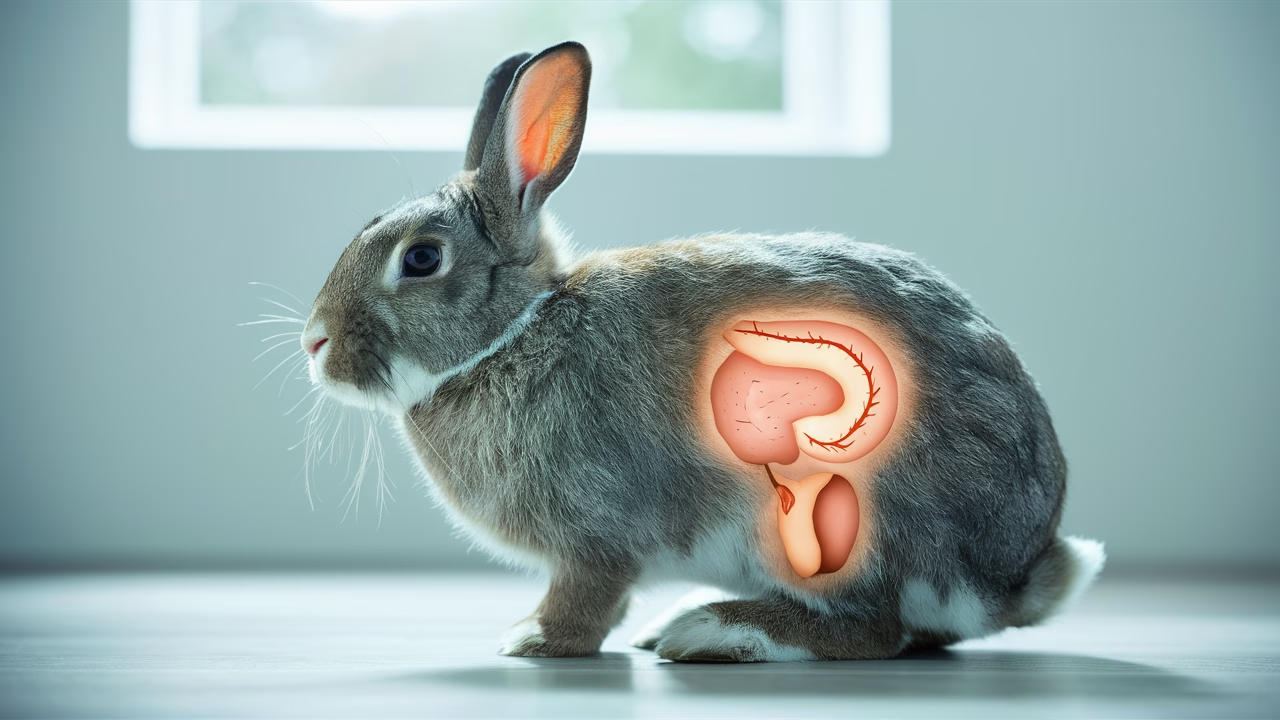
To truly appreciate why certain foods are harmful, we must understand the marvel that is rabbit digestive health. Rabbits are obligate herbivores and hindgut fermenters, meaning their digestive process relies heavily on a specialized organ called the cecum. Unlike humans, who digest most food in their stomach and small intestine, rabbits break down fibrous plant material in their cecum, located at the end of their digestive tract.
This process is carried out by a vast and diverse community of microorganisms, primarily bacteria, that thrive in the cecum’s specific environment. These bacteria ferment indigestible fiber into volatile fatty acids and produce B vitamins and essential amino acids. The rabbit then re-ingests these nutrient-rich products by eating their cecotropes – soft, nutrient-packed droppings expelled directly from the anus, distinct from their hard, round fecal pellets. This unique process, called cecotrophy, is fundamental to their nutrition and overall rabbit wellness.
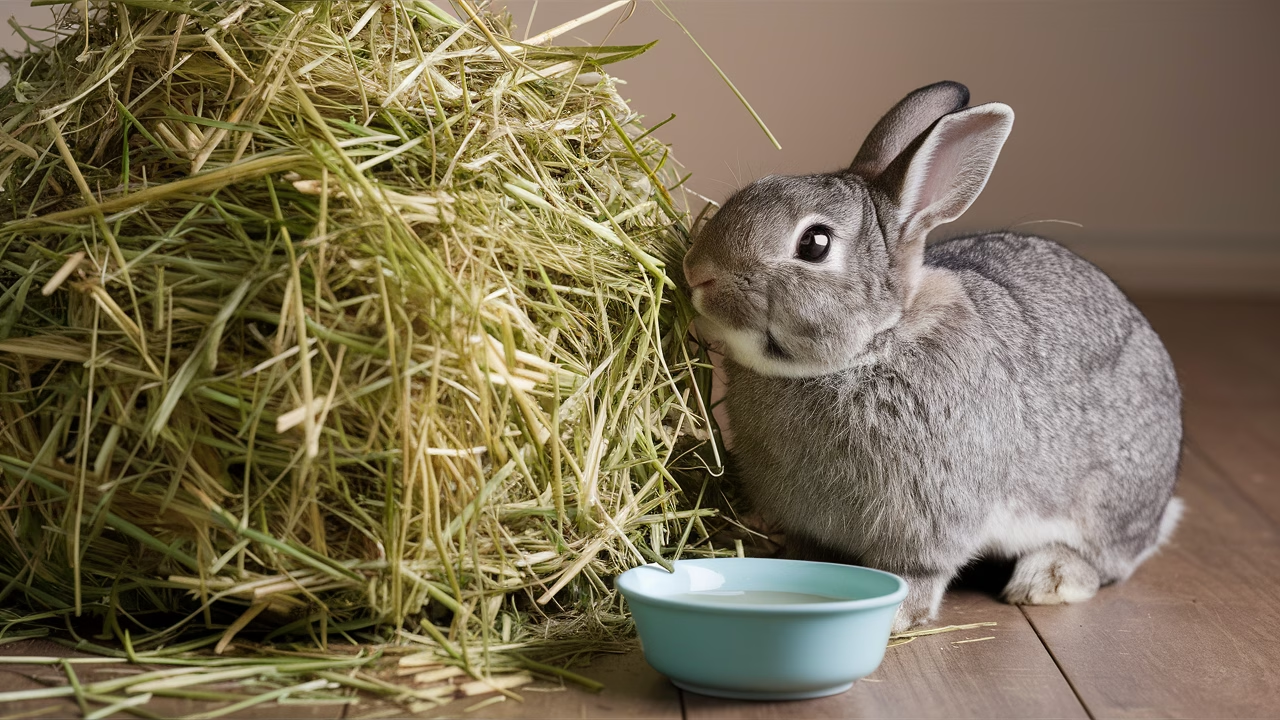
The entire system is incredibly sensitive. A diet primarily consisting of unlimited, high-quality hay (like timothy, orchard, or oat hay) is paramount. Hay provides the long-strand fiber necessary to keep the digestive tract moving, wear down continuously growing teeth, and maintain the optimal pH and bacterial balance in rabbits’ cecum. Any significant deviation from this natural diet, particularly the introduction of high-sugar, high-starch, or low-fiber foods, can quickly upset this delicate balance, leading to the rapid proliferation of harmful bacteria and subsequent digestive upset.
Choosing Safe Pet Treats for Your Bunny
Given the sensitivity of your rabbit’s digestive system, the choice of pet treats requires careful consideration. The safest and most beneficial treats are those that mimic their natural diet and support healthy rabbit treats for digestion. The primary components of a healthy rabbit’s diet should always be:
- Unlimited Hay: This is non-negotiable. 80-90% of your rabbit’s diet should be high-quality, fresh hay. It’s not just food; it’s essential for gut motility and dental health.
- Fresh Leafy Greens: A variety of fresh, rabbit-safe leafy greens should be offered daily. Think romaine lettuce, parsley, cilantro, kale (in moderation), and spring greens. These provide essential vitamins, minerals, and moisture.
When it comes to additional treats, remember the golden rule: moderation is key. These should be offered sparingly, no more than once or twice a week, and in very small quantities. Consider them as a special reward, not a dietary staple. Here are some excellent examples of safe pet treats for rabbits:
- Small pieces of certain fruits: Apple (no seeds), banana, berries (strawberries, blueberries, raspberries), melon. Due to their sugar content, these should be given in tiny amounts – think a thumbnail-sized piece.
- Non-starchy vegetables: Carrot (though high in sugar for a veggie, so very small amounts), bell peppers, celery, broccoli florets (small amounts).
- Herbs: Mint, basil, dill, oregano. These can be wonderfully aromatic and appealing to rabbits.
Always introduce new foods slowly and in tiny quantities to monitor for any adverse reactions. If you observe soft stools, reduced appetite, or lethargy, discontinue the new food immediately and consult your veterinarian. Prioritizing healthy rabbit treats that are natural and fiber-rich is a fundamental aspect of responsible rabbit care and rabbit nutrition.
Maintaining Proper Bacterial Balance
The health of your rabbit’s digestive system, particularly the cecum’s bacterial balance, is the cornerstone of their overall well-being. This delicate ecosystem is constantly at work, breaking down fiber and converting it into absorbable nutrients. Any disruption to this balance, often caused by an improper diet, can have immediate and severe repercussions.
A diet low in fiber and high in sugars or starches (found in many commercial rabbit treats, muesli mixes, or human foods) provides fuel for pathogenic bacteria to flourish while suppressing the beneficial ones. This shift leads to the production of toxins and gas, causing pain, discomfort, and potentially lethal conditions like GI stasis. Proper bacterial balance is maintained primarily through a consistent, hay-rich diet. The continuous chewing of hay not only provides necessary fiber but also helps regulate the flow of food through the digestive tract, preventing bacterial overgrowth in undesirable areas.
Symptoms of an upset bacterial balance or digestive distress can include:
- Decreased appetite or refusal to eat
- Changes in fecal pellets (smaller, fewer, misshapen, or absent)
- Soft stools or diarrhea
- Lethargy and hunched posture (indicating pain)
- Grinding teeth (bruxism), also a sign of pain
- Bloating or a distended abdomen
If you notice any of these signs, it’s crucial to contact your veterinarian immediately. Early intervention is key to managing digestive issues in rabbits. Maintaining a stable environment, minimizing stress, and providing constant access to fresh water also contribute significantly to a healthy gut. By focusing on the foundational principles of rabbit nutrition – unlimited hay, appropriate fresh greens, and very limited, safe rabbit treats – you are actively promoting a robust rabbit gut bacteria balance and ensuring a long, healthy life for your furry friend.
Conclusion: Best Practices for Rabbit Treats
As we’ve explored, the journey to optimal rabbit health is paved with informed dietary choices. It’s clear that while the intention behind offering ‘treats’ is often loving, many commonly available options, especially sugary, dairy-laden, or high-starch items like yogurt drops, candy-coated peanuts, and donuts, pose a significant risk to your rabbit’s delicate digestive system and overall rabbit health. Their unique hindgut fermentation requires a diet almost exclusively of fiber to maintain critical bacterial balance and prevent life-threatening conditions.
Our role as responsible rabbit owners is to prioritize their physiological needs over perceived desires for ‘sweet’ rewards. Embrace the natural goodness of unlimited fresh hay, a daily variety of leafy greens, and use very small, infrequent portions of veterinarian-approved fruits or non-starchy vegetables as truly healthy rabbit treats. These choices not only prevent illness but actively contribute to their vitality, mental stimulation, and happiness.
Always remember that prevention is the best medicine when it comes to rabbit care. By adhering to proper diet guidelines and being vigilant about what you offer your bunny, you empower them to live a full, active, and healthy life. When in doubt about any food item, err on the side of caution or consult with your trusted small animal veterinarian. Your rabbit’s well-being is worth every informed decision you make.