Rabbit-safe litter is absorbent, low in dust, non-clumping and free from ingredients that could harm a rabbit if chewed or inhaled. Suitable choices include paper pellets, dust-extracted pulped paper and some heat-processed wood pellets whose labels confirm that no unsafe additives are present. Avoid sawdust and clay-based clumping cat litter.
Why litter choice matters for rabbits
Rabbits spend time eating hay and grooming near their litter tray, so dust and loose particles can reach their eyes, skin and airways. They may also nibble the litter. A safe product therefore needs to manage urine without forming an expanding or cement-like clump if swallowed.
The Rabbit Welfare Association & Fund bedding and litter guide advises against sawdust and clay-based clumping cat litter. It identifies dust-extracted pulped paper and paper pellets as useful options and explains that heat-processed wood pellets can be suitable when their labels do not list unsafe additives such as silicon.
Safe rabbit litter options
Paper pellets
Paper pellets are highly absorbent and commonly used in litter areas. Choose an unscented, non-clumping product and check the bag for added chemicals. Because pellets can be firm underfoot, cover the toileting surface with a layer of hay if your rabbits spend long periods in the tray.
Dust-extracted pulped paper
Pulped-paper products can be soft, absorbent and low in dust. They are a practical option for rabbits that need a gentler surface, although performance varies by brand. Replace saturated material before the tray becomes damp or develops a strong ammonia smell.
Heat-processed wood pellets
Wood-based litter pellets are not the same as loose sawdust or untreated aromatic shavings. RWAF notes that heat processing removes harmful volatile oils and phenols from wood-based cat-litter pellets. Read the complete label, avoid products containing silicon and stop using any product that produces excessive dust.
Hemp or flax bedding
Hemp- or flax-based horse bedding can be absorbent and biodegradable. Check that it is dust-extracted, untreated and free from fragrance or other additives. Introduce any new material gradually and watch whether your rabbits chew large amounts of it.
Shredded paper for short-term use
Clean shredded paper can work temporarily, but its softness and absorbency vary. Avoid glossy paper, staples, tape and heavily printed material, and replace it frequently. Plain paper is usually less effective than pellets at keeping the tray dry.
Rabbit litter to avoid
- Clay-based clumping cat litter: It can clump after ingestion and cause serious digestive problems.
- Sawdust: Fine particles and wood oils can irritate the skin and lungs.
- Products with unsafe additives: Check labels for silicon, perfume, deodorising crystals or other ingredients that are not intended for rabbits.
- Very dusty material: Stop using a litter that releases a visible cloud when poured or disturbed.
- Unknown wood or construction waste: Never use material that may contain treatment chemicals, paint, glue or preservatives.
How to set up a rabbit litter tray
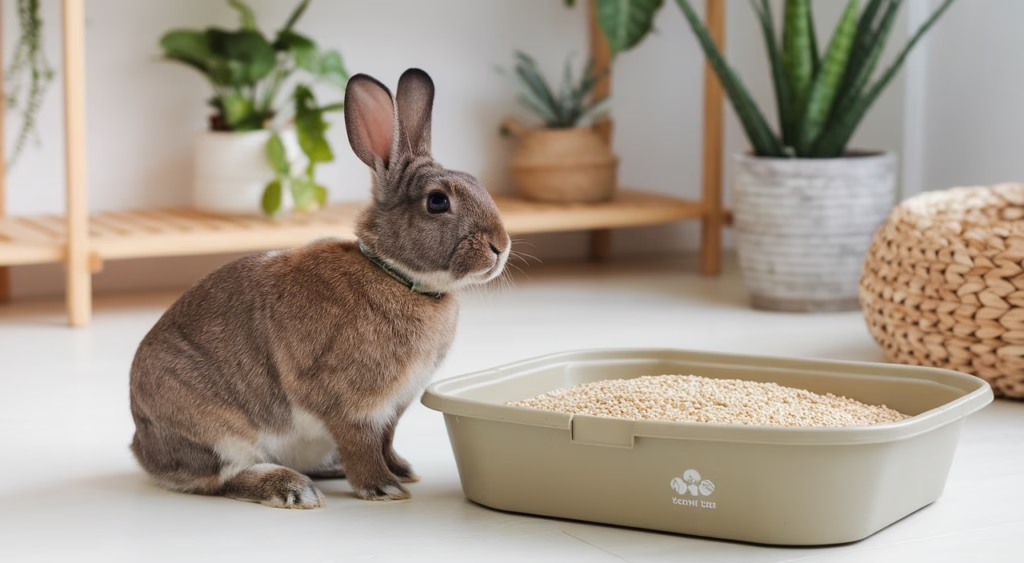
Choose a tray large enough for the rabbits to turn around and eat hay comfortably. Place it in the corner they already use for toileting. Add a shallow, even layer of litter, then position fresh feeding hay above or at one end of the tray so it stays separate from urine-soaked material.
The RSPCA guidance on caring for indoor rabbits emphasises that indoor rabbits need enough space and suitable resources to express normal behaviour. Place litter trays where every rabbit can reach them easily, and provide additional trays if sharing causes crowding or guarding.
A studio setup can combine the litter and hay station without blocking movement. The guide to creating a rabbit exercise area in a studio apartment explains how to preserve a clear route between the toilet, shelter and enrichment zones.
Cleaning and monitoring the tray
Remove wet patches and heavily soiled hay every day. How often the whole tray needs changing depends on tray size, litter absorbency, the number of rabbits and their urine output; use cleanliness and dampness rather than a rigid schedule. Wash the tray regularly with a rabbit-safe cleaning method, rinse it and let it dry before refilling.
Check the tray while cleaning. A sudden reduction in urine or droppings, straining, blood, diarrhoea, very small droppings or a rabbit that stops eating needs prompt veterinary advice. Litter does not treat an underlying urinary, digestive or mobility problem.
How to change litter without disrupting toilet habits
Place the new litter in the usual tray and retain a small amount of clean-used material so the area still smells familiar. If your rabbits hesitate, mix the new and old safe litters for a short transition. Keep the tray in the chosen toilet corner and avoid changing the litter, tray and location all at once.
Watch for refusal to enter, sore feet, sneezing, watery eyes or persistent litter eating. Stop using the new product and consult a rabbit-savvy veterinarian if symptoms appear or a rabbit is swallowing substantial amounts.
Frequently asked questions
Can rabbits use cat litter?
Only use a cat-litter product if its composition is rabbit-safe: non-clumping, non-expanding, low-dust and free from unsafe additives. Never use clay-based clumping cat litter.
Are paper pellets safe for rabbits?
Unscented, non-clumping paper pellets are generally suitable for rabbit litter trays. Check the label for additives, keep the tray dry and add a softer surface such as hay if needed.
Are wood pellets safe for rabbit litter trays?
Heat-processed wood-based litter pellets can be suitable because processing removes volatile oils and phenols. Check the label, avoid products containing silicon and do not substitute loose sawdust.
How often should rabbit litter be changed?
Remove wet and heavily soiled material daily, then replace all litter whenever the tray becomes damp or dirty. The exact interval depends on absorbency, tray size and the number of rabbits.
What should I do if my rabbit eats litter?
Remove the litter if your rabbit eats more than an occasional nibble and contact a rabbit-savvy veterinarian for advice, especially if appetite, droppings or behaviour changes. Never assume a large amount is harmless.