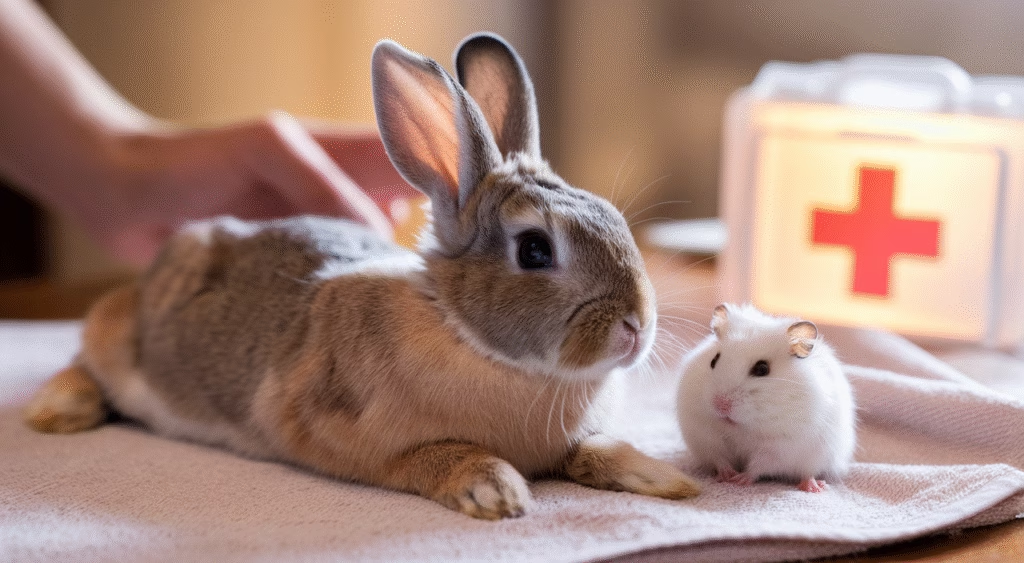
How do I know if my rabbit has ear mites?
Rabbit ear mites, while small and often hidden out of sight, can unleash a storm of discomfort in your pet. You’ll likely notice scratching, head shaking, or crusty buildup inside the ears before you see the mites themselves. Read on—this guide shows you how to spot ear mites in rabbits early, explore your treatment options, and protect your bunny long-term.
TL;DR: Quick Overview of Rabbit Ear Mites
- What are they? Microscopic parasites that live inside a rabbit’s ear canal.
- Common symptoms: Ear scratching, crusty debris, head tilting, sensitivity.
- Diagnosis: Vet exam with otoscope or microscopic testing of debris.
- Treatment: Prescription meds are most effective; some home remedies can help.
- Prevention: Regular grooming, a clean habitat, and periodic ear checks.
- Don’t confuse with: Ear wax. Mites are itchy; wax is not.
Rabbit Ear Mites: Understanding the Symptoms
What are Rabbit Ear Mites and How They Affect Your Pet
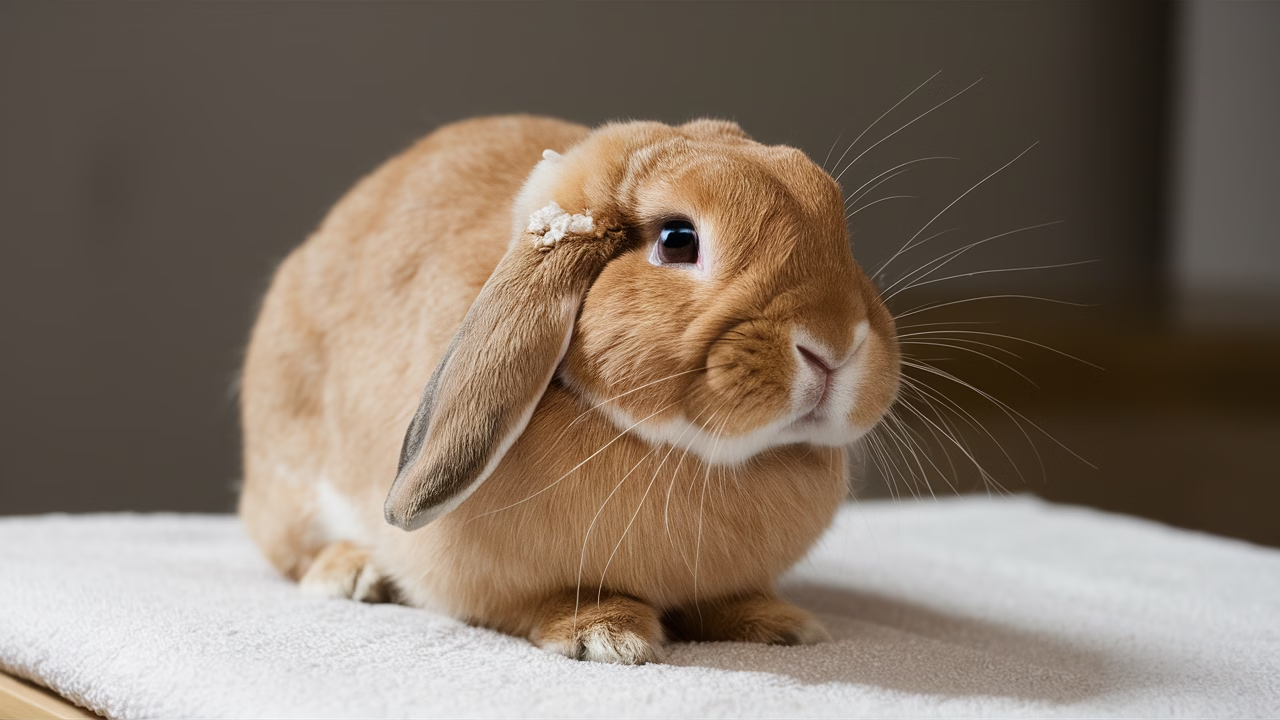
Rabbit ear mites are tiny parasitic creatures—usually Psoroptes cuniculi—that live on the surface of a rabbit’s ear canal. Think of them as uninvited squatters creating chaotic inflamed real estate in your bunny’s ears. Though barely visible to the naked eye, their effect on your rabbit’s wellbeing can be dramatic.
These parasites feast on skin debris and fluids, laying eggs and reproducing at lightning speed. Ear mite infestation leads to scabby buildup and intense irritation—imagine having sandpaper rubbed inside your ear constantly. Left untreated, the mites can move outward and even affect surrounding skin.
Signs and Symptoms to Watch Out For
Rabbits are naturally stoic, often hiding signs of illness. But when ear mites strike, a few telltale symptoms often appear:
- Frequent head shaking or tilting
- Persistent scratching at the ears
- Crusty, yellow-brown buildup inside ears (mite debris)
- Inflammation or swelling in and around the ear
- In advanced cases: fur loss, open sores, and lethargy
What does this mean for you? If you notice these behaviors or changes, take them seriously. Early detection of ear mites in rabbits leads to quicker relief for your rabbit and prevents the mites from spreading to other pets.
Treatment Options for Rabbit Ear Mites
Veterinary Treatment vs. Home Remedies
When treating ear mites in rabbits, you generally have two routes—professional veterinary care or at-home remedies. Each has its pros and limitations, and choosing often depends on the severity of the infestation.
| Option | Best For | Pros | Cons |
|---|---|---|---|
| Veterinary Medications | Moderate to severe infestations | Highly effective, fast relief, safe under vet supervision | Requires vet visit, may be costly |
| Home Remedies (e.g., mineral oil) | Mild cases or follow-up care | Accessible, inexpensive, soothing | Slower results, risk if not done correctly |
Pro tip: Never poke anything into the ear canal. If you’re unsure about treating ear mites in rabbits, err on the side of veterinary care.
Preventative Measures to Keep Your Rabbit Safe
They say “prevention is better than the cure,” and that’s especially true with rabbit ear mites. Here’s how you can stop them from ever becoming a problem in your rabbit pet care routine:
- Regular Ear Checks: Inspect your rabbit’s ears weekly. Look for dirt, wax, or early signs of irritation.
- Clean Living Environment: Mites can spread via bedding, toys, and food dishes. Clean habitats thoroughly and often.
- Grooming and Handling: Brush your rabbit regularly to check for issues and build trust.
- Isolate New Rabbits: Quarantine newcomers for a few weeks before introducing them to your existing rabbit clan.
- Avoid Contact with Wild Animals: Mites are contagious between animals—limit exposure to wildlife or infected pets.
Think of routine prevention as your rabbit’s invisible armor. It only takes a few minutes a week but can save a whole lot of vet visits down the road.
How to Identify Ear Mites vs. Ear Wax in Rabbits
Key Differences and Visual Indicators
One of the most common concerns rabbit owners face is how to tell whether the gunk in their rabbit’s ear is harmless wax or a symptom of ear mites. Here’s how to differentiate:
| Indicator | Ear Wax | Ear Mites |
|---|---|---|
| Texture | Soft, greasy | Crusty, flaky, scab-like |
| Color | Golden-yellow or dark brown | Light to dark brown, sometimes mixed with dry blood |
| Rabbit’s Reaction | Usually none | Scratching, shaking, irritation |
| Odor | Mild or neutral | Foul-smelling if infected |
Here’s what often happens: A pet owner finds some wax and thinks, “Oh, probably normal.” Meanwhile, rabbit ear mites are setting up camp. If in doubt, take a picture and consult a vet before the infestation worsens.
What to Do if You Suspect Your Rabbit has Ear Mites

Start by gently examining your rabbit’s ears. Use a flashlight to look inside (but don’t insert anything). If you notice debris, shaking, or smell something off, here’s what to do for proper rabbit pet care:
- Isolate the Rabbit: Prevent the possible spread to other pets.
- Book a Vet Visit: Your vet can quickly confirm and start treatment.
- Clean Living Area: Thoroughly disinfect toys, bedding, bowls.
- Follow Treatment Plan: Administer meds as directed and track progress.
Most rabbits begin to improve within a week of proper treatment for ear mites in rabbits. Continue monitoring for scratching or crust reappearance in the weeks ahead.
Cost Guide for Treating Rabbit Ear Mites
| Treatment Type | Estimated Cost Range | Details |
|---|---|---|
| Veterinary Appointment | $45 – $95 | Exam, ear cleaning, diagnosis |
| Prescription Medications | $15 – $60 | Earmite topical or injectable meds |
| Follow-up Appointment (if needed) | $30 – $60 | Progress check and dose adjustment |
| At-home Supplies | $10 – $25 | Mineral oil, cotton pads, gloves |
Total out-of-pocket may vary from $60 for mild home remedies to $150+ for full vet treatment. The sooner you act on treating ear mites in rabbits, the more you save—financially and in rabbit comfort.
Final Thoughts: Don’t Let Ear Mites Sneak Up on You
Rabbit ear mites might be tiny, but the impact on your beloved pet’s health and happiness is anything but small. By staying attentive to your rabbit’s behavior, maintaining a clean environment, and getting the right diagnosis early, you can protect your fluffy companion from unnecessary suffering.
Whether you’re curious about a little ear gunk or dealing with a full-blown infestation, this guide should arm you with the confidence and rabbit pet care strategies to make the right choices. Because when it comes to rabbit pet care, knowledge really is the best medicine.
Frequently Asked Questions
How can I tell if it’s ear mites or just ear wax?
Ear wax is usually soft, oily, and doesn’t bother your rabbit. Rabbit ear mite infestations, on the other hand, cause intense itching, scabby residue, and a foul smell. If your rabbit is persistently scratching or shaking its head, it’s best to consult a vet.
Will ear mites go away on their own?
Unfortunately, no. Ear mites in rabbits must be treated with appropriate medication. Left unchecked, they can worsen and even cause hearing damage or spread to other pets.
Are rabbit ear mites contagious?
Yes. Mites can spread between rabbits and even to other animals like cats or dogs if close contact occurs.
Can humans get ear mites from rabbits?
While rare, mild skin irritation has been reported. Mites don’t typically thrive on humans but always wash hands after handling affected rabbits and and clean your clothes to avoid spread.
Is grooming enough to prevent ear mites?
It helps, but grooming alone isn’t foolproof. You also need to maintain a clean cage, avoid exposure to wild animals, and check your rabbit’s ears weekly as part of good rabbit pet care.