Sensitive Bunny Care: Choosing the Best Hay for Your Beloved Pet
As a veterinarian specializing in small animals, I understand the profound concern that arises when your beloved rabbit shows signs of discomfort or allergies. Hay is the absolute foundation of a healthy rabbit diet, providing essential fiber for digestion, dental health, and overall well-being. Yet, for some bunnies, hay can become an unexpected source of irritation. This guide is designed to help you navigate the complexities of choosing hay for rabbits with sensitivities, ensuring your pet receives the nutrition they need without compromising their comfort.
What is the best hay for sensitive bunnies?
The best hay for sensitive bunnies is typically a soft, leafy, and low-dust variety like Orchard Grass or a very soft, late-cut Timothy Hay, as these options are less likely to trigger respiratory or skin sensitivities compared to coarser hays.
TL;DR: Hay for Sensitive Bunnies
- **Identify Sensitivities Early:** Watch for sneezing, runny eyes, skin irritation, or respiratory distress as signs of hay sensitivity in bunnies.
- **Understand Common Triggers:** Dust, molds, and specific hay textures can be irritants.
- **Consider Alternative Hays:** Orchard Grass and softer cuts of Timothy Hay are often better choices due to lower dust and softer texture.
- **Evaluate Hay Quality:** Look for fresh, green hay free from mold, excessive dust, or strange odors.
- **Proper Storage is Key:** Store hay in a cool, dry, well-ventilated area to prevent mold growth and maintain freshness.
- **Explore Supplements:** Fresh greens and high-quality pellets can complement or partially substitute hay in severe cases, but hay should always be the primary diet component.
- **Consult Your Veterinarian:** Always seek professional advice for persistent symptoms or before making significant dietary changes.
1. Understanding Your Bunny’s Sensitivities
As a devoted rabbit owner, you’re attuned to your pet’s every twitch and sniff. When signs of discomfort appear, it’s natural to worry. For many rabbits, especially those with predispositions, hay can sometimes be more than just food; it can be an allergen or an irritant. Recognizing these sensitivities early is paramount to managing your bunny’s health and happiness.
1.1 Common Allergens and Irritants
When we talk about hay allergies in rabbits, we’re typically referring to reactions to specific components within the hay or environmental factors associated with it. Here are the most common culprits:
- Dust and Particulates: This is perhaps the most frequent irritant. Hay, by its nature, can be dusty, especially lower-quality or overly dry varieties. Fine dust particles can irritate a rabbit’s delicate respiratory system, leading to sneezing, sniffling, or even more serious breathing issues.
- Mold Spores: Improperly stored hay can develop mold, which is highly toxic and allergenic. Mold spores can cause severe respiratory problems, digestive upset, and other health complications. This is why proper hay storage is crucial.
- Pollen and Plant Proteins: Just like humans, rabbits can be sensitive to specific pollens found in certain grasses or weeds within hay blends. Some rabbits might also react to particular plant proteins present in certain hay types.
- Environmental Irritants: Sometimes, it’s not the hay itself but what’s in or around it. Chemical residues from pesticides (though rare in reputable hay sources), dust mites, or even strong scents from nearby products can exacerbate sensitivities.

1.2 Signs of Hay Sensitivity
Observing your rabbit closely is your best tool for detecting hay sensitivity in bunnies. As a vet, I advise looking for these common indicators:
- Respiratory Symptoms: Frequent sneezing, runny nose (clear discharge), wheezing, or difficulty breathing are strong indicators. If these symptoms are severe or persistent, it warrants immediate veterinary attention.
- Eye Irritation: Watery eyes, excessive blinking, redness around the eyes, or discharge can signal an allergic reaction. Your rabbit might also rub their face more often.
- Skin Irritation: While less common directly from hay, some rabbits might develop itchy skin, redness, or even hair loss, particularly around the face or areas where they burrow into the hay. This could be a contact dermatitis.
- Lethargy or Reduced Appetite: A rabbit in discomfort might show a general lack of energy or a decreased interest in their food, including their hay. This is a serious sign and always requires a vet check.
- Gastrointestinal Issues: While less direct, persistent irritation or ingestion of moldy hay can lead to digestive upset, changes in droppings, or even gastrointestinal stasis.
If you observe any of these signs, it’s crucial to consult with your veterinarian. We can help differentiate between allergies, infections, and other health issues, and guide you on the best course of action.
2. Types of Hay for Sensitive Bunnies
When addressing sensitivities, understanding the nuances of various rabbit hay types becomes incredibly important. Not all hay is created equal, and some varieties are inherently more suitable for delicate bunnies.
2.1 Timothy Hay
Timothy hay is the gold standard for most adult rabbits, known for its excellent fiber content and balanced nutritional profile. It’s a grass hay, rich in long-strand fiber, which is vital for dental wear and digestive health. However, Timothy hay comes in different cuts:
- First Cut Timothy: This is typically coarser, stalkier, and higher in fiber. While great for dental health, its rougher texture and potential for more dust can be irritating for sensitive bunnies.
- Second Cut Timothy: This is the most common and balanced cut. It has a good blend of soft leaves and thinner stems. For many sensitive bunnies, a high-quality, soft second-cut Timothy with minimal dust can be a suitable option.
- Third Cut Timothy: The softest and leafiest cut, with very few stems. It’s often lower in fiber but also much lower in dust and very palatable. This is frequently an excellent choice for rabbits prone to respiratory or skin sensitivities, though you may need to supplement fiber with other soft hays or carefully selected greens.
When selecting Timothy, always prioritize freshness, a pleasant smell, and a low dust content.
2.2 Orchard Grass
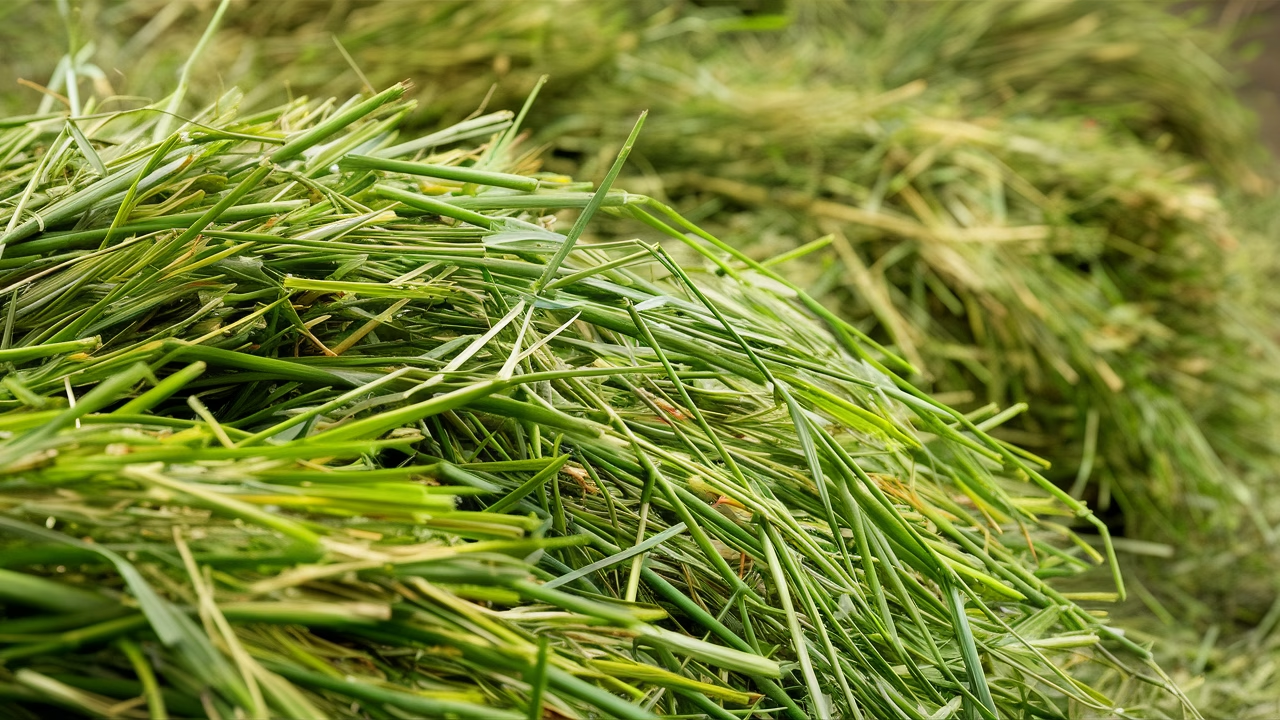
Orchard grass is often considered the unsung hero for sensitive bunnies and is frequently recommended by veterinarians for pets with allergies. Here’s why:
- Soft Texture: It’s naturally softer and leafier than many Timothy hays, making it gentler on sensitive respiratory tracts.
- Lower Dust Content: Orchard grass tends to be naturally less dusty, which significantly reduces the risk of respiratory irritation and hay allergies in rabbits.
- Similar Nutritional Profile: It offers a comparable fiber content to Timothy hay, ensuring proper digestion and dental wear.
- High Palatability: Many rabbits find its sweet, soft texture very appealing, which can be beneficial for picky eaters or those recovering from illness.
If your bunny exhibits signs of sensitivity with Timothy hay, switching to Orchard Grass is often the first recommendation for finding the best hay for sensitive bunnies.
2.3 Meadow Hay
Meadow hay is a blend of various wild grasses and sometimes herbs, gathered from natural meadows. Its composition can vary widely depending on the region and harvesting time. While some premium meadow hays can be excellent, offering diverse nutrients and enrichment, they also carry some caveats for sensitive bunnies:
- Variable Composition: The mix of grasses, weeds, and potential pollens can be unpredictable. This variability means it might contain plants your rabbit is sensitive to, making it harder to pinpoint the cause of an allergic reaction.
- Potential for Allergens: The diverse plant life can introduce more potential allergens or irritants compared to a single-species hay like Timothy or Orchard Grass.
- Quality Control: Ensure you source meadow hay from a reputable supplier known for clean, dust-free products. Poor quality meadow hay can be very dusty and contain undesirable components.
For sensitive bunnies, Orchard Grass or a soft third-cut Timothy hay are generally safer bets before exploring carefully selected meadow hay.
3. Tips for Selecting the Best Hay
Beyond choosing the right type, understanding how to select and store hay is crucial for ensuring you’re providing the best hay for rabbit health, especially for sensitive individuals.
3.1 Quality Indicators
When you’re literally hand-picking the diet for your sensitive friend, here’s what to look for:
- Freshness and Color: Good hay should be predominantly green, indicating freshness and higher nutrient content. Avoid hay that is yellow, brown, or bleached, as this suggests it’s old or poorly stored.
- Aromatic Scent: Fresh hay has a sweet, grassy aroma – think of a summer field. Steer clear of hay that smells musty, dusty, moldy, or has no discernible scent, as these are indicators of poor quality or spoilage.
- Texture: For sensitive bunnies, a softer texture is generally preferred, especially if they have respiratory issues. It should not be overly brittle or sharp.
- Dust Content: This is critical. Gently shake a handful of hay; there should be minimal dust plumes. Excessive dust is a primary trigger for respiratory problems. Reputable hay suppliers often process their hay to minimize dust.
- Absence of Foreign Matter: Inspect the hay for any signs of mold, insects, or foreign objects like plastic, string, or toxic weeds. Your hay should be pure and clean.
By prioritizing these quality indicators, you’re not just choosing hay for rabbits; you’re choosing optimal health and comfort.
3.2 Proper Storage Techniques
Even the highest quality hay can become problematic if stored incorrectly. Improper storage leads to mold growth and increased dust, exacerbating rabbit hay allergies. Here are essential tips for hay storage for rabbits:
- Keep it Dry: Moisture is the enemy of hay. Store hay in a cool, dry place away from any sources of humidity or condensation.
- Ensure Ventilation: Good airflow is vital to prevent moisture buildup and mold. Avoid airtight containers; breathable bags (like pillowcases or canvas bags) or open cardboard boxes are better.
- Darkness is Best: Store hay out of direct sunlight to preserve its nutritional value and prevent it from becoming brittle and dusty.
- Elevate from the Floor: If possible, store hay off the floor to prevent moisture wicking from the ground and to deter pests.
- Buy in Manageable Quantities: While buying in bulk can be cost-effective, only purchase what you can realistically use within a few weeks to a month to ensure maximum freshness.
Adhering to these practices will help maintain the hay’s quality and reduce potential irritants for your sensitive bunny.
4. Hay Alternatives for Sensitive Bunnies
While hay should always form the bulk of a rabbit’s diet, for severely sensitive bunnies or during periods of allergy management, understanding appropriate rabbit diet alternatives can be invaluable. These should complement, not fully replace, hay.
4.1 Pellets
High-quality, plain timothy-based pellets can serve as a supplementary fiber source and provide concentrated nutrients. However, they should be offered in limited quantities (typically 1/4 cup per 6 lbs of body weight per day for adults) and should never replace free-choice hay entirely. Look for:
- Timothy-Based: Ensure pellets are primarily timothy hay, not alfalfa, unless for very young, pregnant, or nursing rabbits.
- Plain and Unadorned: Avoid pellets with added seeds, dried fruits, or colorful bits, as these are unhealthy fillers.
- Freshness: Purchase pellets in smaller bags to ensure freshness, as they can lose nutritional value over time.
Pellets can offer a consistent, dust-free source of nutrition, which can be helpful when dealing with hay sensitivities.
4.2 Fresh Greens
A variety of fresh, rabbit-safe leafy greens are an excellent addition to any rabbit’s diet and can provide essential fiber, vitamins, and hydration. For sensitive bunnies, fresh greens can be a less irritating way to provide fiber. Offer a minimum of 1 cup of mixed greens per 2 lbs of body weight per day, introducing new greens slowly to monitor for digestive upset. Good options include:
- Romaine lettuce (not iceberg)
- Green leaf lettuce
- Cilantro
- Parsley
- Dandelion greens (pesticide-free)
- Kale (in moderation due to calcium content)
- Spring mix (ensure no spinach or chard is predominant)
Greens are a fantastic way to boost fiber and nutrients, offering a fresh, dust-free option that can alleviate some of the burden on a sensitive bunny’s respiratory system. This falls under the umbrella of rabbit hay diet tips that prioritize variety and careful selection.
5. Creating a Balanced Diet
The goal, even for sensitive bunnies, is to provide a diet that supports all their physiological needs while minimizing irritants. As a veterinarian, I stress that hay, in some form, must remain the foundation.
5.1 Combining Hay and Fresh Foods
Achieving a balanced diet for a sensitive bunny involves careful integration of different food types:
- Prioritize Soft, Low-Dust Hay: Start with Orchard Grass or third-cut Timothy hay. Offer it in multiple locations and in a hay rack that minimizes contact with the floor to reduce dust and potential contamination.
- Ample Fresh Greens: Provide a wide variety of safe leafy greens daily. These contribute essential moisture, vitamins, and fiber, and can help compensate if your bunny isn’t eating as much hay due to sensitivity.
- Limited, High-Quality Pellets: Use plain, timothy-based pellets as a consistent source of balanced nutrition, given in measured amounts to prevent obesity and ensure hay remains the primary food.
- Fresh Water: Always provide unlimited fresh water, ideally in both a ceramic bowl and a sipper bottle, changed daily.
- Monitor and Adjust: Observe your bunny’s symptoms, appetite, and droppings closely. If symptoms persist or worsen, consult your vet immediately. We may suggest allergy testing or further dietary modifications.
The key to best hay for sensitive bunnies management is not about eliminating hay entirely, but rather about carefully selecting the least irritating types and supplementing thoughtfully with fresh, dust-free alternatives. With attentive care and veterinary guidance, your sensitive bunny can thrive on a well-balanced diet designed for their specific needs.
FAQ
What is the healthiest hay for rabbits?
For most adult rabbits, the healthiest hay is an unlimited supply of fresh, high-quality grass hay, with Timothy hay (especially second cut) being the most commonly recommended due to its excellent fiber content and balanced nutrition. For sensitive bunnies, softer, less dusty options like Orchard Grass or third-cut Timothy may be healthier choices.
How do I know if my rabbit has a hay allergy?
Signs of a hay allergy in rabbits include frequent sneezing, a runny nose (clear discharge), watery or irritated eyes, respiratory issues like wheezing, or sometimes skin irritation. If you observe these symptoms, especially after introducing new hay, consult your veterinarian for diagnosis and guidance.
Can I give my rabbit only pellets instead of hay?
No, pellets should never fully replace hay in a rabbit’s diet. Hay provides essential long-strand fiber necessary for proper dental wear and digestive health, which pellets cannot fully replicate. Pellets should be a small, supplementary part of the diet.
Is Orchard Grass better than Timothy hay for sensitive rabbits?
For many sensitive rabbits, Orchard Grass can be a better option than Timothy hay. It is naturally softer, leafier, and tends to have a lower dust content, which can significantly reduce respiratory irritation and allergic reactions.
How often should I change my rabbit’s hay?
You should provide fresh hay for your rabbit daily, and ideally refresh it multiple times a day. Rabbits eat hay continuously throughout the day and night, so it’s crucial to always have a clean, abundant supply available.
What makes hay dusty, and how can I avoid it?
Hay can become dusty due to improper harvesting, over-drying, or poor storage conditions. To avoid dusty hay, choose reputable brands known for low-dust processing, inspect hay for excessive dust before purchasing, and store it in a cool, dry, well-ventilated area rather than airtight containers.
Can other things in the environment cause hay allergy-like symptoms?
Yes, other environmental factors like household dust, scented products, certain litters, or even bacterial/viral infections can cause symptoms similar to hay allergies. A veterinarian can help rule out other causes and diagnose the specific issue affecting your rabbit.