What Does Rabbit Urine Color Tell You About Their Health?
Rabbit urine color is more than just an interesting topic—it’s a health indicator that can alert you to hydration issues, dietary imbalances, or emerging kidney conditions. Much like a window into your rabbit’s internal balance, changes in rabbit pee color can help you stay one hop ahead of health problems. But what shades are safe, and which ones should raise concern?
TL;DR: Key Takeaways
- Rabbit urine color is a vital indicator of your rabbit’s hydration, diet, and overall health.
- Normal urine colors range from pale yellow to deep orange, depending on diet and hydration.
- Brown rabbit pee may indicate dehydration or excess calcium.
- Orange rabbit urine is common and usually due to plant pigments, but persistent orange can signal liver or hydration issues.
- Monitor rabbit hydration with simple home strategies like fresh greens and frequent water changes.
- Always seek veterinary advice if you notice cloudy, red-tinged, or unusually thick urine.
Why Rabbit Urine Color Matters for Your Pet’s Health
Ever glanced at your bunny’s litter tray and wondered whether that vivid orange splash means anything serious? Good. Because staying observant to changes in your rabbit’s urine color can help you identify subtle shifts in health long before physical symptoms appear.
Unlike dogs or cats, rabbits rarely show signs of illness until it’s quite advanced. That’s because they’re prey animals—wired by nature to hide vulnerability. So what can you do? Keep an eye on what they leave behind. Monitoring rabbit urine color is one of the few non-invasive ways to stay proactive about your rabbit’s health. It offers silent clues about:
- Rabbit hydration levels
- Calcium or protein intake
- Liver and kidney function
Just like we humans check our urine color to evaluate hydration or food effects, rabbits too provide clues right in the litter box.
Importance of Monitoring Rabbit Health
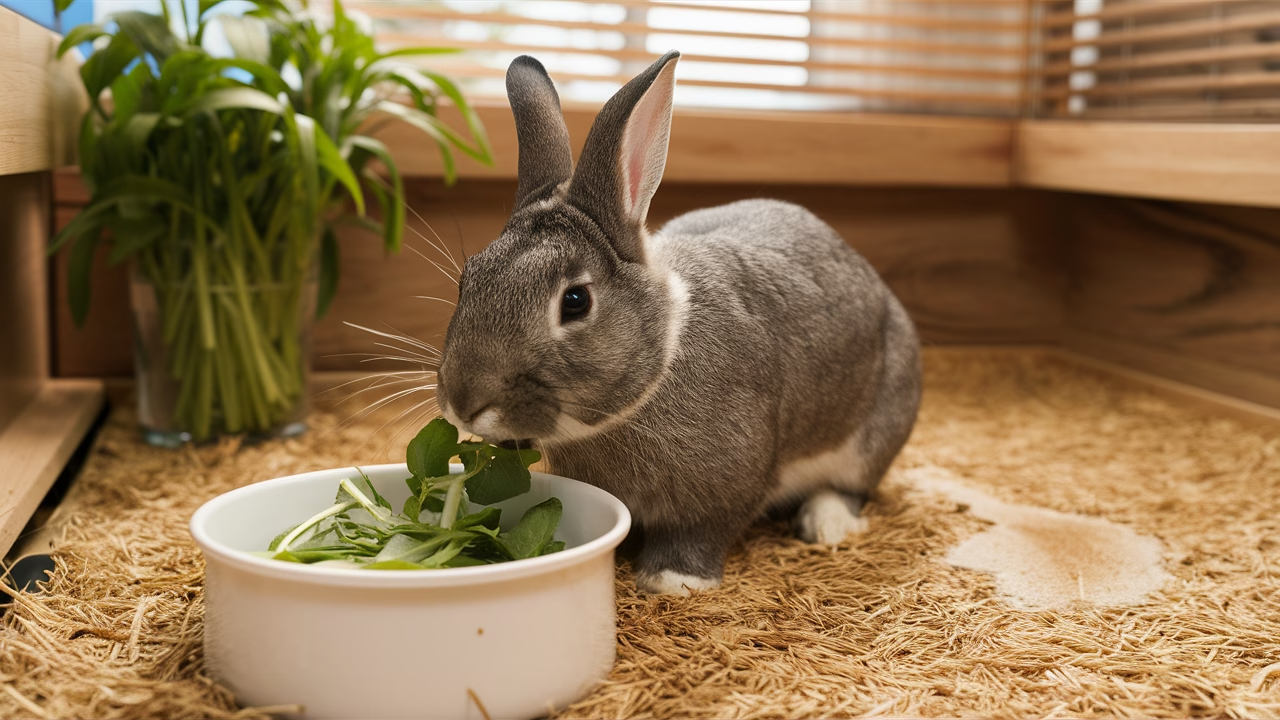
Monitoring your rabbit’s pee isn’t just for peace of mind—it’s a valuable habit that could help prevent medical emergencies.
Rabbits excrete excess calcium through their urine, which makes their pee look cloudy or chalky. A diet too high in calcium (like those rich in alfalfa hay for adult rabbits or overdependence on pellet food) can lead to crystals and even sludge in the bladder. This, over time, may evolve into painful bladder stones.
By keeping an eye on the color and consistency of their urine, you’re not just ensuring they’re hydrated—you’re helping them live longer, healthier lives.
Normal vs. Abnormal Rabbit Urine Colors
Let’s decode the rainbow of rabbit urine colors—what’s fine, and what’s a red flag?
| Urine Color | Meaning | Advice |
|---|---|---|
| Pale yellow | Well-hydrated and healthy | All good, keep it up! |
| Clear | Possibly overhydrated | Still safe if eating well |
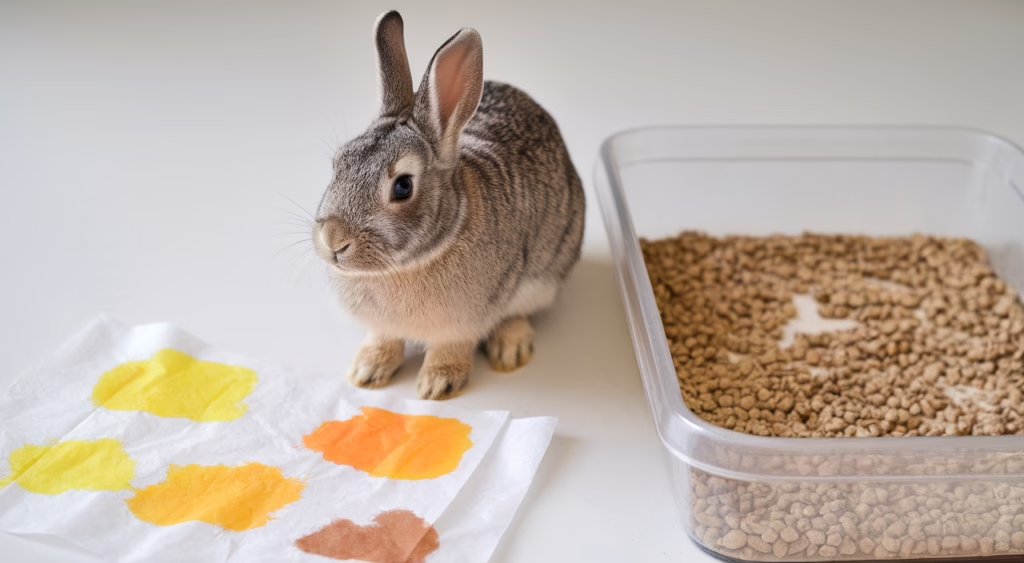
| Orange | Diet pigment (like carrots or spinach) | Normal unless frequent and constant |
| Brown | Dehydration, stress, or aging | Increase water, monitor closely |
| Milky white | High calcium excretion | Reassess diet |
| Red/pink | Porphyrin pigment or blood | If persistent, see a vet |
| Thick, gritty | Potential bladder sludge | Seek veterinary help |
Understanding Brown and Orange Rabbit Pee
Two of the most confusing rabbit urine colors rabbit owners report are brown and orange. So let’s break them down with real-world examples.
Brown Rabbit Pee
This often shows up after stress (like moving cages or vet visits) or poor water intake. Brown rabbit pee can mean your rabbit is dehydrated—especially if it looks more concentrated or has a stronger smell than usual. If paired with dry gums or lethargy, that’s a vet-worthy situation.
Orange Rabbit Urine
Ever fed your bunny red or orange veggies (like carrots or red lettuce)? Chances are, the vivid orange rabbit urine is just harmless plant pigment passing through the system. However, if it becomes routine or is accompanied by cloudy texture, it could signal liver or hydration issues. Always better to stay watchful than sorry.
Best Rabbit Hydration Tips for Happy Bunnies
Rabbit hydration isn’t just about filling a water bottle—it’s a lifestyle for rabbits. Unlike humans who rush to gulp water post-run, rabbits hydrate slowly and consistently. But what if they’re not drinking enough?
Here are the best rabbit hydration tips to keep your bunny’s urine in the healthy color zone:
- Offer fresh greens daily: Romaine, cilantro, or kale provide both nutrition and moisture.
- Multiple water sources: Some bunnies prefer bowls over bottles—try both to see what your rabbit likes better.
- Change water often: At least twice daily to keep it clean and inviting.
- Flavor water naturally: A splash of organic veggie juice can encourage hesitant drinkers.
- Monitor intake: If you see less wet patches or darker rabbit urine color, hydration may be dipping.
Signs of Rabbit Dehydration to Watch For
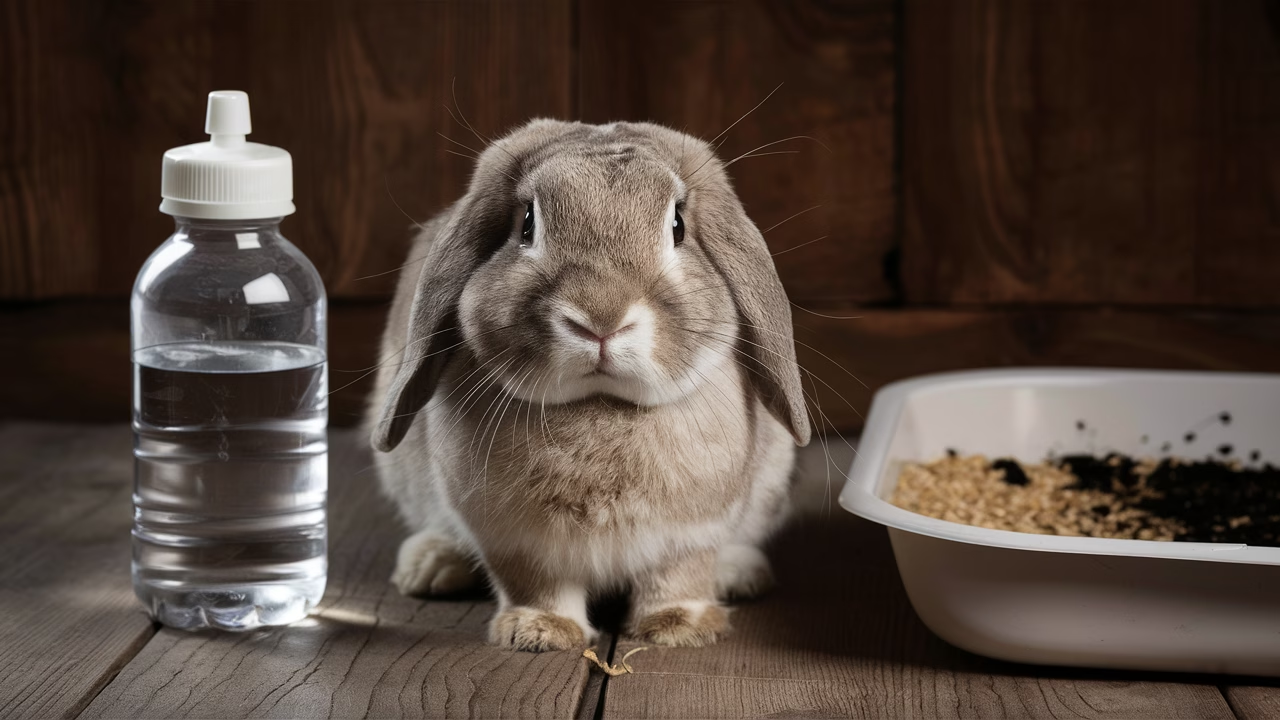
Wondering how to tell if your rabbit is dehydrated? Here are the signs of rabbit dehydration that often happen in real scenarios:
- Skin tent test: Gently pinch the skin behind your bunny’s neck; if it doesn’t spring back, they may be dehydrated.
- Dry or sticky gums instead of moist ones.
- Sunken eyes or weak posture.
- Decreased appetite and smaller or fewer poop pellets.
- Strong-smelling or dark urine.
If you’re spotting more than one of these symptoms, it’s time to act fast. Try offering high-moisture vegetables and double-check the water source—and contact your vet if signs persist.
When to Seek Veterinary Advice for Rabbit Urine Color
Sometimes even the best home care can’t replace professional expertise. So when should you take that extra step?
Here’s when to bring your rabbit to the vet:
- Persistent brown rabbit pee or deep orange rabbit urine
- Cloudy urine with a gritty texture (sign of bladder sludge)
- Blood-tinged urine
- Repeated signs of rabbit dehydration despite your efforts
Observation is powerful, but it doesn’t replace medical care. If something feels off, trust your gut—and get a professional’s opinion.
Understanding the Value of Professional Guidance
Here’s the thing: rabbits have delicate systems. Waiting too long to seek help can make a manageable issue far more serious. A vet can perform diagnostic urinalysis, check for infection, stones, or organ stress—and often, ease your worries in the process.
As a veterinary nutritionist, I’ve seen many cases where quick action saved a bunny’s bladder or kidneys. So never hesitate to ask—even if you think it’s something small. When it comes to rabbit health, nothing is insignificant.
Final Thoughts
Your rabbit’s urine color is a vivid roadmap of their wellbeing. From golden yellows to muddy browns and bright oranges, the hues in your bunny’s litter box aren’t just accidents—they’re hints. When you learn to interpret those, you’re stepping into the role of attentive caregiver, advocate, and health detective.
By observing, hydrating, and acting early, you give your rabbit the longest, happiest life possible—one healthy, hydrated hop at a time.
Frequently Asked Questions
- Why is my rabbit peeing orange?
Orange rabbit urine is commonly caused by plant pigments from vegetables like carrots or spinach; however, if it persists, it may signal liver or hydration issues. - What does brown rabbit pee mean?
Brown rabbit pee is often a sign of dehydration or stress. It may also relate to excess calcium. Ensuring proper hydration and diet is key. - How can I tell if my rabbit is dehydrated?
Check for dry gums, sunken eyes, weak posture, reduced appetite, or concentrated, strong-smelling urine—and try the skin tent test. - Is red or pink rabbit pee always blood?
Not always. It could be plant pigments (porphyrins), but if you’re unsure or it continues, see a veterinarian to rule out bleeding or infection. - What’s the best way to hydrate my rabbit?
Offer water bowls and bottles, fresh greens like romaine, and encourage drinking with clean water changed twice daily. - How often should I check my rabbit’s urine?
Daily observation is ideal—especially when cleaning the litter tray. It’s a quick check that offers valuable health clues.