Do Pet Rabbits Recognize Their Owners’ Voice?
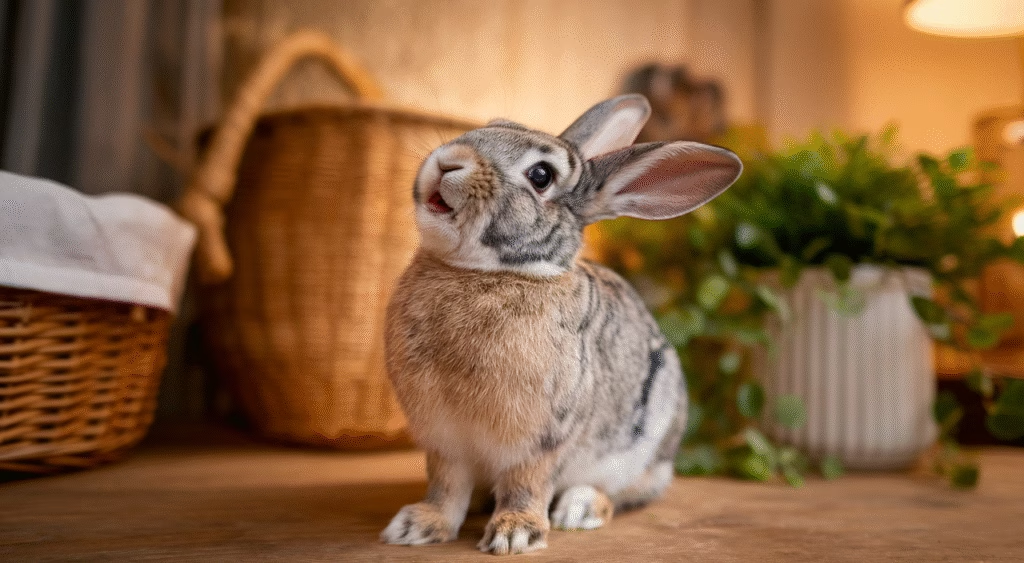
Yes, pet rabbits can recognize their owners’ voice. Over time, rabbits become familiar with the sounds, tones, and rhythms of their guardian’s speech. Just like dogs perk up at their name, your bunny may respond subtly—ears twitching, nose wiggling, or even hopping toward you. These aren’t random quirks; they are signs of growing recognition and trust that show how pet rabbits recognize their owners’ voice through daily interactions.
TL;DR: Understanding Rabbit Voice Recognition
- Yes, voice recognition happens: Pet rabbits can learn to recognize their owners’ voice through repetition and positive association.
- It’s about trust: Voice familiarity develops over time and strengthens how pet rabbits bond with their owners.
- Subtle responses: Tail wags, ear twitches, and approaching behavior may signal that rabbits recognize their owners’ voice.
- Enhancing the bond: Routine, soft speech, and positive reinforcement can boost voice recognition in pet rabbits.
- Build slowly: Patience and empathy are key to nurturing connection through voice cues with your rabbit.
How Pet Rabbits Recognize Their Owners’ Voices
Ever wondered if that little head tilt your bunny does when you speak is more than just cute? It absolutely is. Many rabbit owners report behaviors that suggest their pet rabbits not only hear their voice, but actively recognize it. Rabbits are prey animals, instinctively cautious, yet incredibly attuned to their environment. This heightened awareness makes them excellent at picking up patterns—including recognizing their owners’ voice and daily routines.
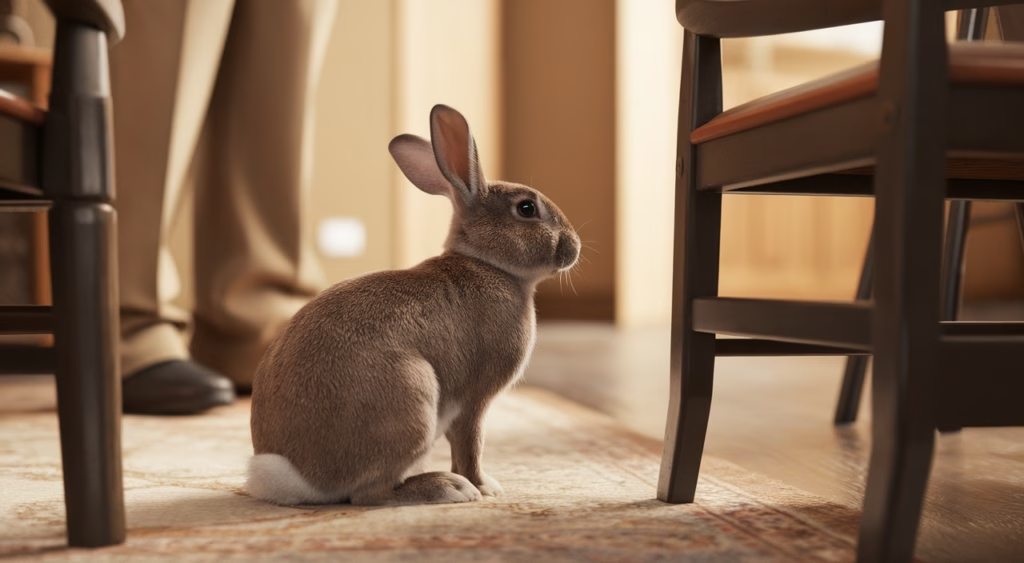
In practice, you’ll notice that your rabbit becomes more relaxed when you speak in a calm tone or may come out of hiding when they hear your familiar voice after a long day. These aren’t just coincidences—they’re clear signs that pet rabbits recognize their owners’ voice and have developed trust with you.
Scientific studies on rabbit cognition support this observation. While pet rabbits may not have the same level of auditory recognition as dogs, they are far more intelligent than many people assume. They can differentiate between familiar and unfamiliar people, especially after repeated positive interactions that help rabbits recognize their owners’ voice patterns and tones.
Factors Influencing Voice Recognition in Pet Rabbits
1. Frequency of Interaction
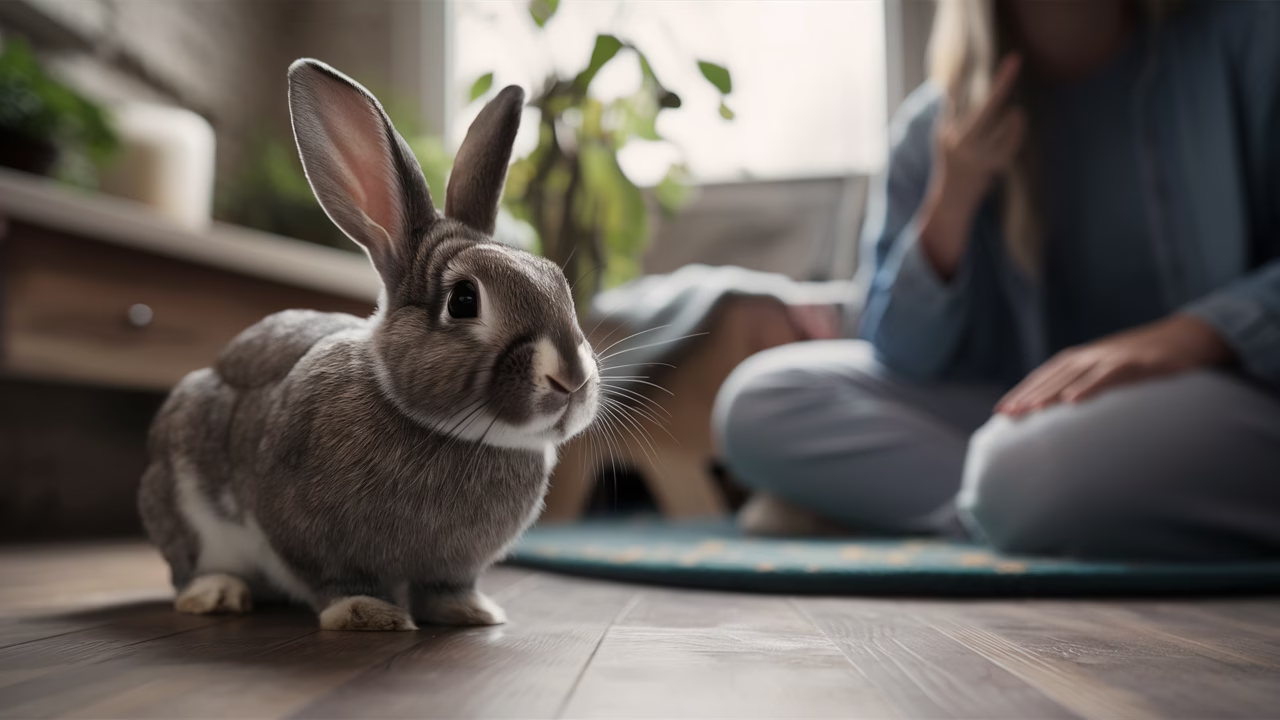
The more time you spend interacting—and talking—with your rabbit, the more likely they are to recognize your voice. Consistency builds familiarity and helps pet rabbits recognize their owners’ voice more quickly. It’s similar to how repetition helps people learn a new language; for rabbits, repetition links certain vocal sounds with positive experiences and safety.
2. Tone and Volume
Your tone matters significantly when helping pet rabbits recognize their owners’ voice. Rabbits respond better to soft, soothing voices compared to loud, erratic noise. A high-pitched, gentle tone mimics the soft vocalizations they use to communicate safety and security. Conversely, raised or angry voices can stress them out, and may even cause avoidance behavior that hinders voice recognition.
3. Trust and Socialization Level
Not all pet rabbits are equally social, which affects how quickly they recognize their owners’ voice. A rabbit who’s been handled kindly from a young age may recognize and respond to voice cues much faster than a rabbit who came from an abusive or neglectful background. However, with patience, it’s always possible to build the trust needed for voice recognition.
4. Association with Positive Experiences
Here’s what often happens: you call your rabbit’s name before feeding them or giving them a treat. Over time, pet rabbits recognize their owners’ voice as a signal for something pleasant. This positive pairing is essential for strong voice recognition. Rabbit memory is quite strong when triggered by combinations of smell, sound, and positive experiences.
5. Individual Rabbit Personalities and Learning Styles
Pet rabbits, like people, have different personalities and learning paces that affect how they recognize their owners’ voice. Some rabbits are naturally cautious, slow to warm up but deeply bonded once trust is formed. Others are social and curious, eager to interact. Recognizing your rabbit’s temperament can help you adjust your approach to building voice recognition accordingly.
Ways to Help Your Pet Rabbit Recognize Your Voice
Create Consistent Vocal Cues
Start small to help your pet rabbit recognize your voice. Use simple phrases like “hello bun,” or call their name gently at the same time each day—perhaps before feeding or playtime. Repeat the same tone and words consistently. Your rabbit will begin to associate these familiar vocal cues with you and the positive experiences that follow.
Speak During Routine Interactions
During grooming, cleaning their hutch, or placing fresh hay, talk to your rabbit in a calm, consistent voice. These everyday moments build security and help pet rabbits recognize their owners’ voice through repetition. Think of your voice as a gentle narrator creating familiarity and comfort with every interaction.
Use Positive Reinforcement
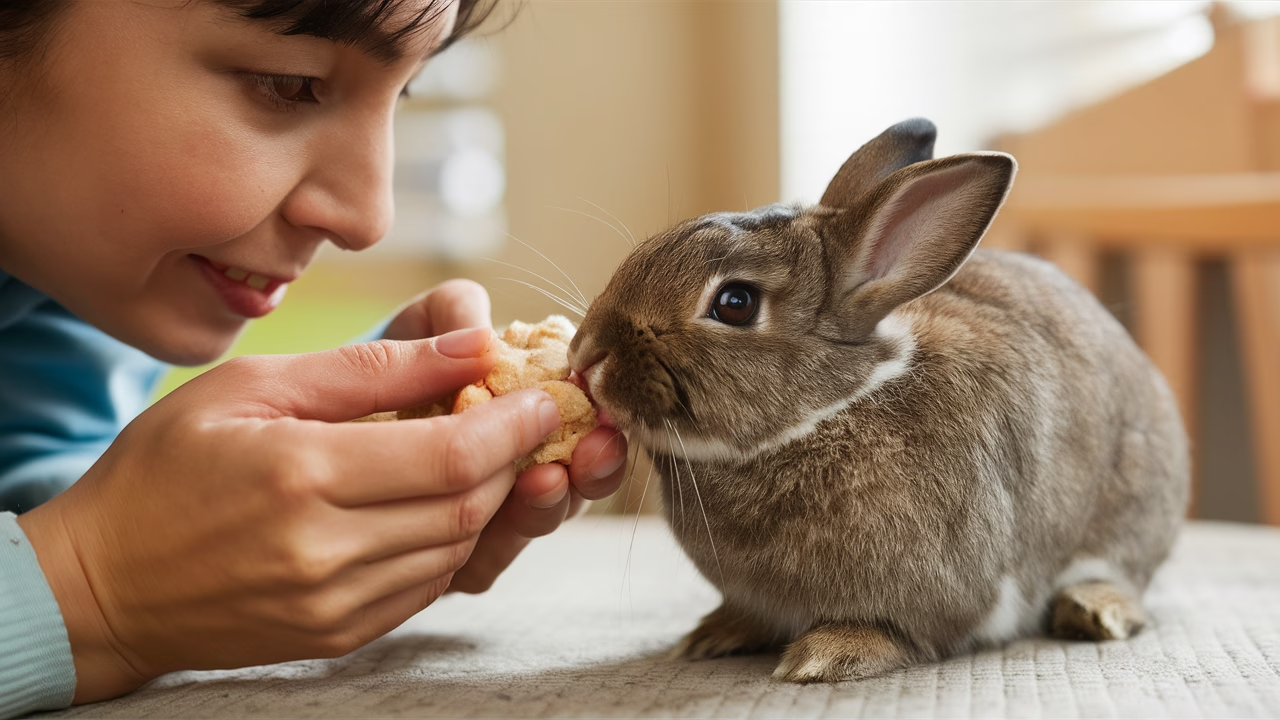
Pair your voice with treats or gentle affection to strengthen recognition. For example, each time your rabbit responds to your voice or comes when called, reward them with a small piece of their favorite vegetable or a soft rub between the ears. This positive association accelerates how quickly pet rabbits recognize their owners’ voice.
Combine Body Language with Voice
While voice recognition is powerful, supportive body language enhances it. Rabbits are highly visual creatures. Standing sideways, crouching low to the ground, and avoiding direct stares while speaking softly makes you less intimidating and more approachable, creating the perfect conditions for pet rabbits to recognize their owners’ voice.
Enrich Their Environment
An engaged bunny is a responsive bunny who’s more likely to recognize familiar voices. Provide toys, rotate experiences, and be an active part of your rabbit’s daily life. Pet rabbits in enriched environments are more observant, happier, and more likely to form strong bonds that include recognizing their owners’ voice clearly.
Conclusion
So, do pet rabbits recognize their owners’ voice? Without a doubt, yes. Through repetition, trust, and positive interactions, your rabbit learns not only to recognize your voice but also to associate it with safety, affection, and joy. The more time you spend engaging with them—talking, listening, responding—the deeper your bond will grow and the stronger their voice recognition becomes.
Not every rabbit will respond the same way or on the same timeline, and that’s perfectly normal. What matters most is consistency, patience, and understanding that you’re building friendship at your rabbit’s pace. When they twitch their ears just right, turn their little heads, and hop toward your familiar voice—that’s the beautiful evidence that pet rabbits truly do recognize their owners’ voice and cherish the connection you’ve built together.
FAQ: Do Rabbits Know Their Owners’ Voice?
- Can rabbits learn their name?
Yes, many rabbits can learn their name over time, especially when paired consistently with rewards and routines. - How long does it take for a rabbit to recognize a voice?
It varies, but with daily calm interaction, many rabbits start showing signs of recognition within a few weeks. - Do rabbits recognize different voices?
Yes, they can distinguish between familiar and unfamiliar voices, focusing on tone and rhythm. - Will a rabbit respond to a voice if it’s scared?
In high-stress moments, rabbits may withdraw despite familiarity. Gentle tones can help soothe over time. - What sounds do rabbits respond to best?
High-pitched, soft, and repetitive tones tend to draw their attention more than low or loud sounds. - Can rabbits bond with more than one person’s voice?
Yes, especially if each person spends quality time and builds trust with the rabbit individually. - What should I avoid saying or doing when talking to my rabbit?
Avoid sudden loud noises, yelling, or inconsistent treatment, which can cause stress or fear responses over time.