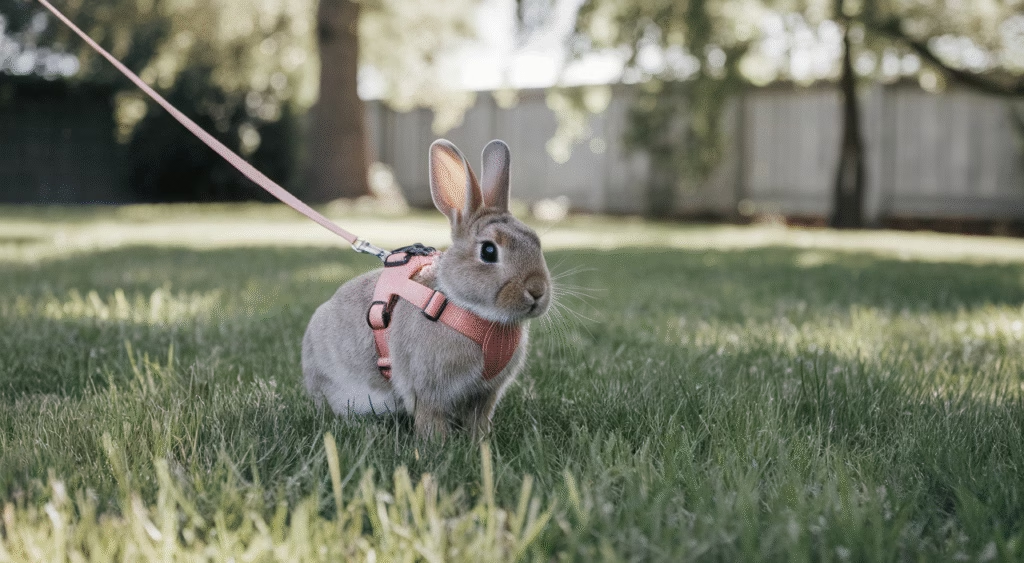
How do you train a rabbit to walk on a leash safely?
Training a rabbit to walk on a leash requires introducing a rabbit-specific harness gradually, practicing indoors first, and building your bunny’s confidence outdoors through positive reinforcement. The key is helping your rabbit associate harness training with safety and exploration rather than stress or fear.
Essential Tips for Successful Rabbit Harness Training
- Start Slowly: Begin rabbit harness training by letting your bunny explore the harness indoors.
- Choose the Right Harness: Select a rabbit-specific H-style harness that provides security without restricting movement.
- Use Positive Reinforcement: Reward progress with treats and praise to build trust during leash training.
- Practice in Safe Areas First: Begin outdoor sessions in secure, rabbit-proof spaces like fenced yards.
- Read Bunny Body Language: Watch for stress signals like thumping, freezing, or excessive grooming.
- Never Force Movement: Allow your rabbit to lead and explore at their natural pace during training.
- Respect Individual Preferences: Not all rabbits adapt to harness training, and alternatives exist.
Selecting the Right Rabbit Harness and Leash
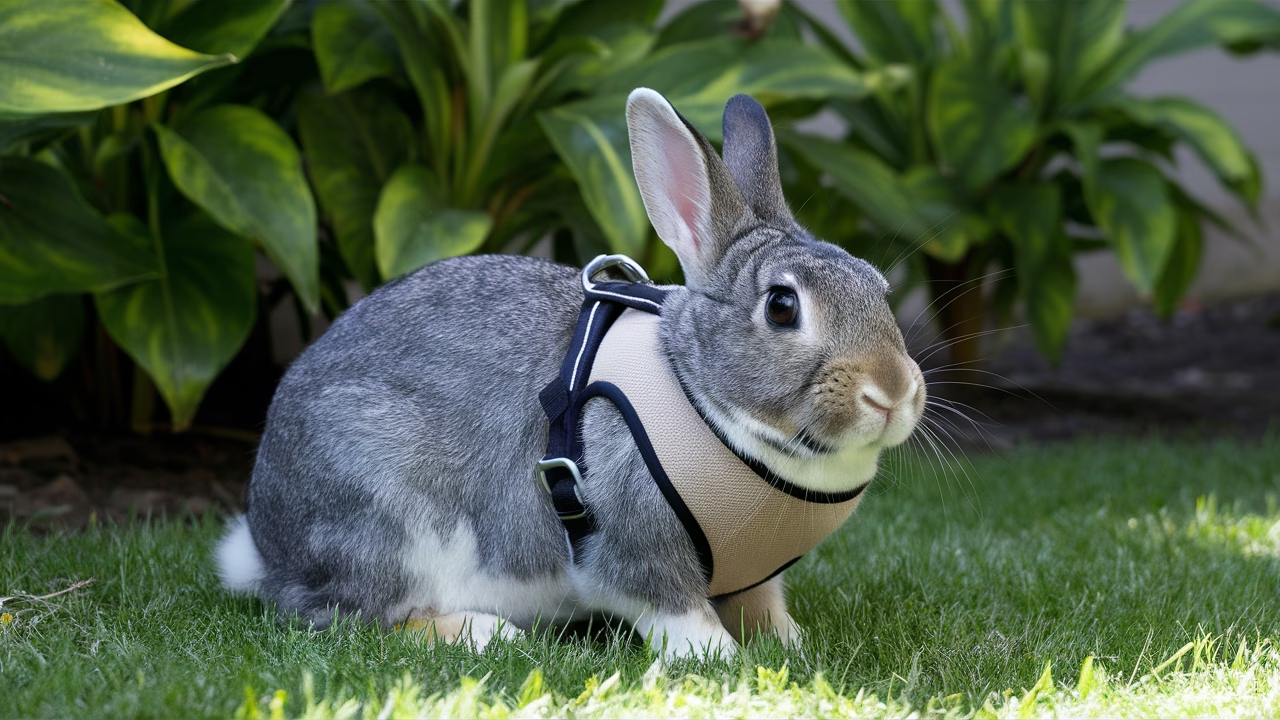
Proper equipment selection forms the foundation of successful rabbit harness training. Rabbits have delicate bone structures and require specially designed harnesses that distribute pressure evenly while preventing escape.
Types of Harnesses for Rabbit Training
Understanding different harness styles helps you choose the best option for your rabbit harness training:
| Harness Type | Pros | Cons |
|---|---|---|
| H-Style Harness | Adjustable and secure; most recommended by veterinarians | Requires proper fitting to prevent escape during training |
| Vest Harness | Distributes pressure evenly; provides extra support for nervous rabbits | Can feel restrictive for some rabbits during initial training |
| Figure-8 Harness | Lightweight design; simple to put on | Least secure option; rabbits can slip out more easily |
Pair your chosen harness with a lightweight, non-retractable leash to maintain consistent tension and avoid sudden jerking that could frighten your rabbit during training sessions.
Rabbit Harness Training: Complete Step-by-Step Guide
Successful rabbit harness training follows a structured approach that respects your bunny’s natural instincts. As prey animals, rabbits require extra patience and gradual introduction to new experiences like leash training.
1. Introduce the Harness
- Place the harness near your rabbit’s favorite resting area for several days without attempting to put it on.
- Allow your rabbit to investigate, sniff, and become familiar with the harness at their own pace.
2. First Fitting Session
- Gently drape the harness over your rabbit without securing any straps during these initial training sessions.
- Immediately reward calm behavior with treats and gentle praise.
- Keep sessions brief (1-2 minutes) and repeat daily to build positive associations with harness training.
3. Secure and Monitor
- Once your rabbit remains relaxed, secure the harness with proper fit – you should fit one finger between harness and body.
- Observe your rabbit’s response carefully; freezing or flattening indicates stress during training.
4. Indoor Leash Training
- Attach the leash and allow it to drag behind your rabbit in a rabbit-proofed room.
- Follow your rabbit’s lead rather than attempting to guide them during these early leash training sessions.
5. Transition to Outdoor Training
- Begin outdoor rabbit harness training in quiet, enclosed areas once your bunny shows confidence indoors.
- Maintain close supervision and allow natural exploration behaviors during outdoor sessions.
What If My Rabbit Resists Harness Training?
Resistance to rabbit harness training is common and doesn’t indicate failure – it simply means adjusting your approach or exploring alternatives.
Recognizing Stress During Rabbit Training
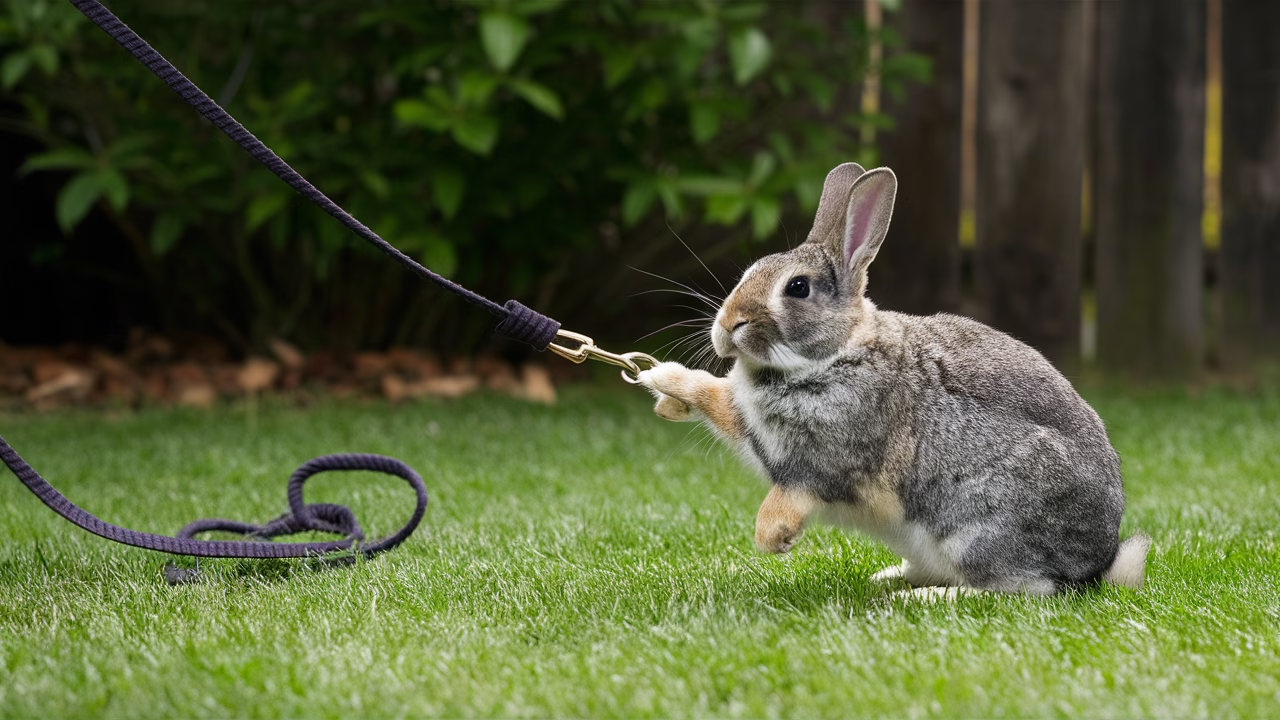
Watch for these signs that indicate your rabbit needs a break from harness training:
- Freezing or collapsing: Indicates overwhelming stress, not relaxation during training.
- Thumping behavior: Signals fear or distress with the harness training process.
- Excessive harness chewing: Shows discomfort or anxiety during training sessions.
If these behaviors persist despite gradual rabbit harness training approaches, consider taking extended breaks or exploring alternatives.
Alternatives to Traditional Leash Training
When rabbit harness training isn’t suitable for your bunny, these safe alternatives provide outdoor enrichment:
- Exercise Pens: Portable enclosures perfect for supervised outdoor time in parks or backyards.
- Supervised Free-Range Time: Secure fenced areas allow natural hopping behavior without harness constraints.
- Indoor Outdoor Simulation: Create outdoor experiences indoors using grass mats, natural tunnels, and sunny window areas.
Outdoor Safety Guidelines for Rabbit Adventures
Successful rabbit harness training includes understanding outdoor safety protocols that protect your bunny from environmental hazards and predators.
Critical Safety Protocols for Outdoor Rabbit Training
- Constant Supervision Required: Never leave your rabbit unattended outdoors, even during brief harness training sessions.
- Temperature Management: Conduct rabbit harness training when temperatures range between 60-75°F to prevent overheating.
- Ground Inspection: Check training areas for toxic plants, chemical treatments, sharp objects, and potential hazards.
- Post-Training Health Checks: Examine your rabbit for ticks, scratches, or debris after each outdoor harness training session.
Cost Guide: What Does Rabbit Leash Training Involve Financially?
| Item | Estimated Cost |
|---|---|
| Rabbit-Safe Harness + Leash | $15 – $30 |
| Outdoor Exercise Pen (Optional) | $40 – $80 |
| Paw Cleaning Wipes / Tick Check Tools | $5 – $10 |
| Treats for Training Reinforcement | $5 – $15 |
Building Successful Rabbit Training Relationships
Rabbit harness training succeeds when built on trust and respect for your bunny’s individual personality. This training process offers wonderful bonding opportunities and exposes your rabbit to enriching sensory experiences through safe outdoor exploration. Remember that successful leash training looks different for every rabbit – some thrive with structured walks while others prefer supervised free exploration. By observing your rabbit’s responses and adapting your training approach accordingly, you create positive outdoor experiences that strengthen your relationship while respecting your bunny’s natural behaviors and comfort levels.
Frequently Asked Questions
Can you train a bunny to walk on a leash?
Yes, many rabbits can learn to wear a harness and walk on a leash through proper rabbit harness training techniques. Success depends on your rabbit’s personality, consistent training methods, and patience during the learning process.
How long does it take to leash train a rabbit?
Rabbit harness training timelines vary significantly by individual bunny. Some rabbits adapt to harness training within a few weeks, while others may require several months of gradual conditioning.
Is it safe to take rabbits outside on a leash?
Leash training can be safe when you use proper rabbit-specific harnesses, maintain constant supervision, and choose appropriate outdoor locations free from predators and toxic hazards.
Do rabbits enjoy going for walks?
Some rabbits genuinely enjoy outdoor exploration through harness training, while others prefer indoor environments. Your rabbit’s reaction during training sessions will indicate their preferences.
What should I do if my rabbit won’t move in the harness?
If your rabbit freezes during harness training, end the session calmly and return to earlier training steps. Allow more time for harness familiarization before attempting movement.
Are there breeds more suitable for rabbit leash training?
Larger, confident breeds like Flemish Giants or Rex rabbits often adapt more easily to harness training, though individual personality matters more than breed for successful leash training.
What age should I start leash training a rabbit?
Begin gentle rabbit harness training around three months of age, once your rabbit has bonded with you and feels comfortable with regular handling and interaction.