How to Stop Rabbits from Flipping Their Food and Water Bowls
To prevent your rabbit from flipping their food and water bowls, switch to heavy ceramic or tip-proof bowls, secure the bowls to the hutch or cage with mounts or holders, and modify feeding routines to keep your rabbit engaged and less likely to cause a mess. These rabbit care tips will transform your pet’s mealtime from chaos to calm.
TL;DR Summary
- Rabbit antics explained: Bowl-flipping stems from natural digging instincts, boredom, or unsuitable feeding setups.
- Best rabbits food and water bowls: Choose heavy ceramic or lock-in-place options to deter flipping.
- Placement matters: Position bowls on flat surfaces and consider wall attachments or cage holders.
- Feeding schedule tips: Reduce bowl flipping by feeding at regular times and in slow-release formats.
- Enrichment helps: Provide chew toys and interactive environments to reduce bowl-targeting behavior.
Understanding Rabbit Behavior: Why Rabbits Flip Their Bowls
Let’s face it—rabbits are quirky, clever, and surprisingly determined when it comes to rearranging their homes. If your rabbit flips their food or water bowls regularly, it’s not because they’re misbehaving. This behavior is actually tied to their natural instincts and behavioral needs.
As a veterinarian who specializes in small pets, I often explain to rabbit guardians that this behavior is often due to the following:
- Instinctual digging: Rabbits are natural diggers, and a bowl in their enclosure can start to feel like something to toss aside while foraging.
- Boredom: A rabbit with few outlets for stimulation may “play” with their bowls as a form of entertainment.
- Incorrect bowl material or weight: Lightweight plastic bowls are prime targets for energetic bunnies looking to flip bowls.
- Territorial behavior: Some rabbits push objects around to assert dominance over their space.
Understanding these motivations is the first step in finding effective rabbit care tips that work for both you and your floppy-eared friend.
Choosing the Right Rabbits Food and Water Bowls
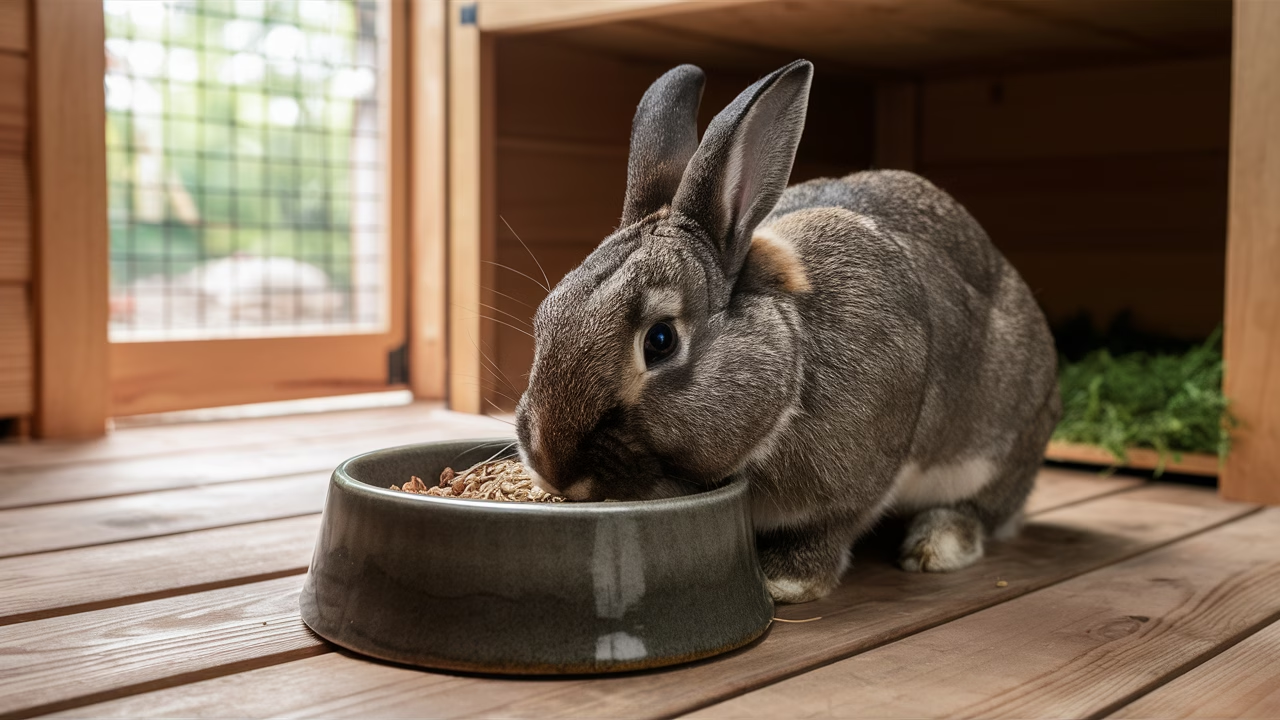
One of the most effective ways to prevent rabbits from flipping bowls is simply switching the type of bowls you’re using. The right rabbits food and water bowls can completely eliminate this frustrating behavior. Here’s what works best:
| Type | Material | Pros | Cons |
|---|---|---|---|
| Ceramic Bowls | Heavy ceramic | Sturdy, hard to flip, easy to clean | Can break if dropped |
| Lock-in Wall Bowls | Stainless steel/plastic | Fixed to cage, completely secure | May be harder to remove/refill |
| Bowls with Rubber Base | Plastic or metal | Grippy, less sliding | Still possible to flip when motivated |
| Gravity Water Bottles | Plastic or glass | Cannot be flipped, hygienic | Requires proper installation, may leak over time |
Pro tip: I often recommend heavy ceramic bowls for pellets and leafy greens, paired with a gravity water bottle to avoid spills entirely. This combination delivers the best rabbit care tips in practice.
Expert Tips to Prevent Rabbits from Flipping Bowls
Now, let’s get practical. Here are my most effective rabbit care tips collected over years of hands-on experience helping pet families stop their rabbits from flipping bowls:
- Anchor the bowl: Use cage-friendly bowls that twist-lock into the side of the enclosure to prevent any flipping attempts.
- Use heavier materials: If your bunny flips plastic with ease, upgrade to ceramic or locking stainless steel rabbits food and water bowls.
- Lower bowl height: Bowls placed on shelves or uneven ground are easier to toss. Place them flat and stable on the cage floor.
- Limit boredom: Provide enrichment toys like tunnels, dig boxes, or hay puzzles to give their energy a more constructive outlet.
- Watch placement: Avoid placing food and water bowls near litter boxes or high-traffic areas in the cage.
- Stay consistent: Regular feeding schedules reduce scavenging drives that lead to bowl flipping behavior.
- Tailor feeding style: For forage lovers, try scattering leafy greens across hay rather than using a bowl they can flip.
Each rabbit is different. For instance, I once had a patient named Cinnamon who flipped every bowl until we changed her cage layout and provided a wall-mounted dish. That ten-minute upgrade changed everything and proved these rabbit care tips really work.
Best Practices for Feeding Time
Beyond just choosing the right rabbits food and water bowls, the feeding routine itself can contribute to—or solve—the flipping frenzy. These rabbit care tips focus on creating a calm, structured mealtime:
- Feed at regular hours: Consistent schedules lower anxiety and energy spikes that can lead to bowl flipping.
- Use portion control: Large quantities in deep bowls can encourage digging; smaller amounts work better with enrichment feeding.
- Introduce slow-feeders: Slow-feeder bowls turn eating into a brain game—satisfying your rabbit’s natural foraging instincts without the mess.
- Rotate leafy greens variety: Keep cilantro, romaine, and arugula-type leafy greens rotated for a balanced approach to nutrition and satisfaction.
- Stay present during feeding: Try feeding your rabbit when you’re nearby—they’re less likely to flip bowls when they know you’re watching.
Cost Comparison Guide: Rabbit Bowls
| Bowl Type | Estimated Cost | Best Feature | Durability |
|---|---|---|---|
| Plastic Bowl | $2–$5 | Cheap and accessible | Low |
| Ceramic Bowl | $6–$15 | Heavy and stable | High |
| Locking Stainless Bowl | $10–$20 | Attaches to cage | Very High |
| Gravity Water Bottle | $8–$25 | No spills or flipping | Moderate–High |
Final Thoughts
Your rabbit’s bowl-flipping behavior isn’t something you have to “just live with.” With the right rabbits food and water bowls and setup—along with proven rabbit care tips and a bit of insight into their quirky personalities—you can completely transform mealtime from frantic flinging to calm, happy feeding. By choosing suitable equipment, tailoring your pet care routine, and keeping enrichment top of mind with proper leafy greens rotation, you’ll make life better for your fuzzy companion—and for yourself.
Frequently Asked Questions
- Why does my rabbit always knock over its water bowl?
Most rabbits flip water bowls out of instinctual digging behavior, boredom, or to get your attention. Switching to heavier rabbits food and water bowls or a mounted water source can help eliminate this behavior. - What type of bowls can rabbits not flip?
Heavy ceramic or lock-in stainless steel bowls are nearly impossible for rabbits to flip due to their weight or secure mounting system. - Are gravity feeders and water bottles good for rabbits?
Yes, especially for water. They reduce the likelihood of spills and keep water cleaner for longer periods, making them excellent rabbit care tips for busy owners. - Can flipped bowls lead to dehydration?
Absolutely. If your rabbit spills or soils its water, it might not drink enough. Always check and refill water at least twice a day to prevent health issues. - Is flipping bowls a sign of stress?
It can be. Sudden changes in environment, boredom, or lack of stimulation can lead to behavioral issues like persistent bowl flipping. - What’s the best feeding schedule for rabbits?
Twice daily—morning and evening—with constant access to hay. Leafy greens should be provided in moderation alongside pellets using appropriate rabbits food and water bowls. - Should I remove food bowls at night?
Not necessarily. If you use portion control and your rabbit doesn’t overeat or soil the bowl, it’s safe to leave them overnight with these rabbit care tips in mind.