
Should You Bathe Your Rabbit? Here’s What Every Owner Needs to Know
In most cases, bathing rabbits is not just unnecessary — it can be downright dangerous. Unlike dogs or cats, rabbits are meticulous self-groomers, and their delicate physiology makes water exposure stressful and risky. But what happens when your bunny gets unexpectedly dirty or has a hygiene need that exceeds their natural grooming capabilities?
TL;DR: Rabbit Bathing Essentials You Should Know
- Rabbits don’t need regular baths: They clean themselves meticulously through natural rabbit grooming behaviors. Frequent bathing can lead to stress and health issues.
- Only spot-cleaning is recommended: Use damp cloths or dry baths for dirty areas when practicing proper rabbit hygiene.
- Full baths should only be a last resort: When medically necessary and only with extreme care using gentle rabbit grooming techniques.
- Use rabbit-friendly grooming tools: Gentle brushes, soft cloths, and natural rabbit grooming products are essential.
- Avoid harsh shampoos: Chemicals can irritate delicate skin and disrupt rabbit skin care; opt for natural or vet-approved options.
- Stress minimization is key: Quiet environment, slow movements, and positive reinforcement are crucial for rabbit health maintenance.
Introduction: Understanding Rabbit Hygiene
Rabbits may be fluffy and cuddly, but they’re not tiny dogs — they have entirely different grooming instincts and rabbit hygiene needs. As prey animals, they evolved to stay clean and dry. A wet rabbit in the wild can quickly become hypothermic or infected. This instinct remains strong in your house bunny. So when we talk about grooming rabbits and maintaining their hygiene, it’s more about prevention than scrubbing them down in a tub.
A clean rabbit is a healthy, happy rabbit. Proper rabbit skin care keeps fur dense, free of mats, and protects sensitive areas like scent glands and eyes. By focusing on a holistic hygiene routine — and avoiding unnecessary baths — you’ll keep your bunny free from health complications like flystrike or dermatitis while maintaining optimal rabbit health maintenance.
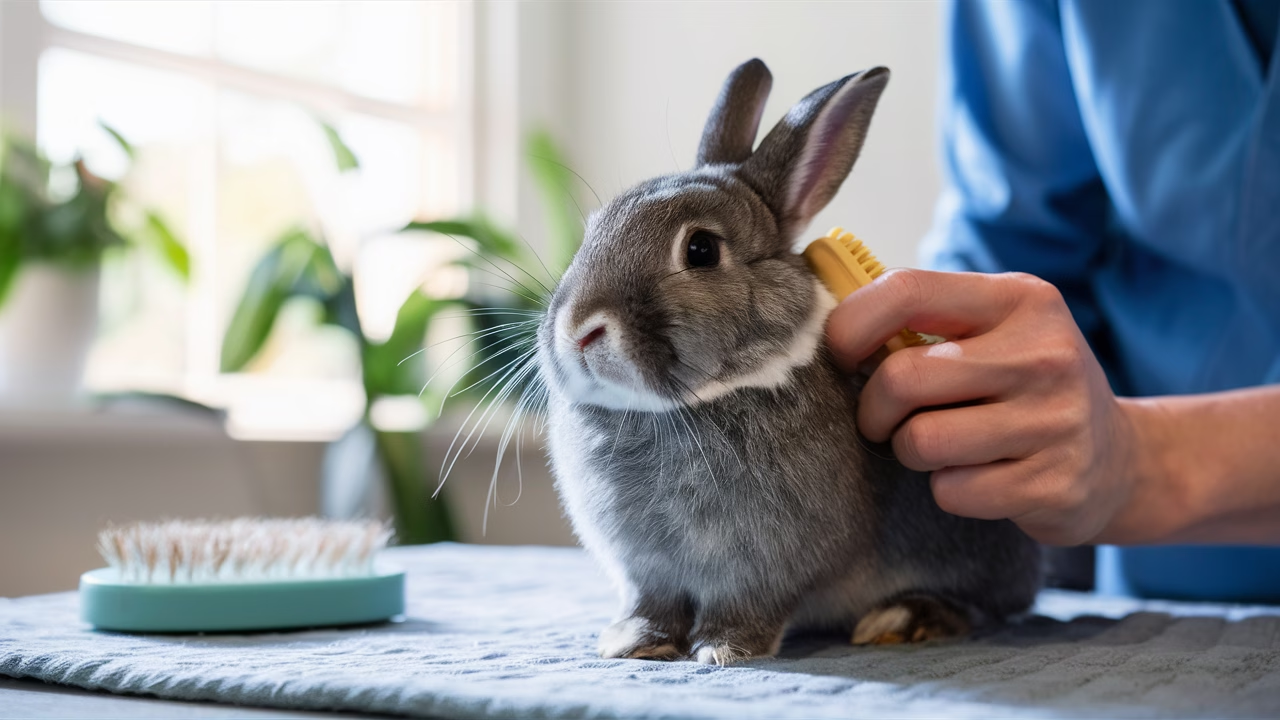
The Importance of Rabbit Bathing
Let’s clear up a common misconception: bathing rabbits should rarely, if ever, involve full-body water baths. Their skin is incredibly delicate, and water exposure can disrupt their temperature regulation and cause panic. Most of the time, cleaning is localized — just a bottom that needs wiping or paws muddy from an adventure.
Here are the acceptable reasons to clean your rabbit with water:
- Stuck feces around the bottom (often seen in overweight or mobility-limited rabbits)
- Urine scald or sticky fur around the rear requiring immediate rabbit skin care
- Sticky or soiled paws due to substrate changes or accidental spills
In any of these scenarios, spot cleaning with a lukewarm damp cloth or pet-safe wipes is the best route. Full immersion should be the last resort, ideally under veterinary recommendation as part of your rabbit health maintenance plan.
Preparing for a Rabbit Bath
If your bunny truly needs a spot bath — or partial bath for a dirty bum or paws — it must be done with care, patience, and all the right tools. Think of it like preparing for a delicate procedure: everything should be within reach, and you’ll need to remain calm while using gentle rabbit grooming techniques.
Here’s your essential rabbit bathing prep checklist:
| Item | Purpose |
|---|---|
| Shallow container or sink lined with towel | Gives grip and limits water depth for safe bathing rabbits |
| Lukewarm water (non-running) | Warm enough to avoid shock during rabbit grooming |
| Natural rabbit grooming products | Free of harsh chemicals, especially fragrance |
| Clean, soft towels | For blotting dry — never rub vigorously |
| Quiet environment | Stress-free conditions help reduce panic |
Step-by-Step Guide to Bathing Your Bunny
Now for the all-important: how to give a rabbit a bath without stress. Remember, this is for targeted cleaning only — do not soak or immerse your rabbit unless instructed by an exotic vet as part of medical rabbit health maintenance.
- Place a towel in your shallow basin to prevent slipping. Add just enough warm water to dampen the soiled fur for safe bathing rabbits.
- Gently hold your rabbit and ease them into the basin. Support underneath the chest and bottom, speak soothingly using gentle rabbit grooming techniques.
- Use a soaked, wrung-out cloth to dab or gently wipe the dirty spot. Take your time with proper rabbit hygiene practices.
- Apply diluted natural rabbit shampoo if needed — rinse immediately after to protect rabbit skin care!
- Blot dry with a warm towel and then wrap your bunny in it to continue drying. Use a gentle hair dryer only on low, from a distance, if they tolerate it.
- Reward your rabbit with a treat and cuddles. Observe for signs of chill (hunched posture, lack of movement) after completing your rabbit grooming session.

Rabbit Grooming Tips: Keeping Your Pet Clean and Healthy
Caring for your rabbit’s coat goes beyond rare water clean-ups. Routine grooming rabbits means brushing, checking for mats, trimming nails, and inspecting scent glands for any blockages as part of comprehensive rabbit health maintenance.
Here are gentle rabbit grooming techniques every bunny parent should master:
- Brushing: Use a slicker brush or soft-bristle tool depending on fur length. Brush weekly — daily during molting season for optimal rabbit hygiene!
- Dry bathing: Sprinkle cornstarch-based powder to clump dirty spots, then brush out using natural rabbit grooming products.
- Rear end check: Especially for older or overweight rabbits. Keep fur trimmed short and clean around the tail for proper rabbit skin care.
- Nail trims: Every 4–6 weeks as part of regular rabbit grooming. If you’re unsure, use a vet or experienced groomer.
- Scent gland care: Located near the anus; use cotton swabs and warm water if buildup occurs during rabbit health maintenance.
Conclusion: Maintaining Your Rabbit’s Hygiene Routine
At the heart of rabbit hygiene is preventive care, not regular bathing rabbits. Your furry friend is a master cleaner, and with your help maintaining an environment that supports their cleanliness, they’ll rarely need your intervention with water.
Focus on safe spot-cleaning practices using gentle rabbit grooming techniques, frequent brushing with natural rabbit grooming products, and careful observation. Clean living spaces, healthy diet habits, and body condition maintenance are the real keys to effective rabbit health maintenance. Learning how to give a rabbit a bath without stress is important, but preventing the need for baths through proper rabbit skin care and routine rabbit grooming is even better. With some mindful care and love, your rabbit will stay fresh and fluffy — no bathtub stress required.
Cost Comparison: Basic Rabbit Grooming vs Emergency Bathing
| Grooming Item/Service | Average Cost |
|---|---|
| Grooming brush (soft bristle) | $10–$20 |
| Nail trimming at vet | $15–$30 |
| Emergency hygienic bath at clinic | $50–$150 |
| Dry shampoo for rabbits | $8–$15 |
Frequently Asked Questions
- Can I give my rabbit a regular bath like a dog?
No. Rabbits should not receive regular water baths; it causes stress and health risks. - What if my rabbit smells bad?
Odor usually comes from dirty litter boxes or underlying health issues, not the rabbit itself. Spot-cleaning and vet checks are recommended. - Are there any dry shampoo options for bunnies?
Yes, choose natural products designed for rabbits. Always avoid aerosols or powders with talc or fragrance. - Is it safe to use baby wipes on my rabbit?
Only if they are unscented, alcohol-free, and safe for sensitive skin — even then, use sparingly. - Can I blow-dry my rabbit after a bath?
Only on the lowest heat and speed settings, from a safe distance. Monitor their reaction closely. - What’s the best way to clean a rabbit’s bottom?
Use a damp cloth or moist cotton pads to spot-clean gently. Restraint and calm are key. - When should I seek vet help for grooming?
If you notice mats, skin sores, or mobility issues affecting hygiene, contact your exotic vet.

