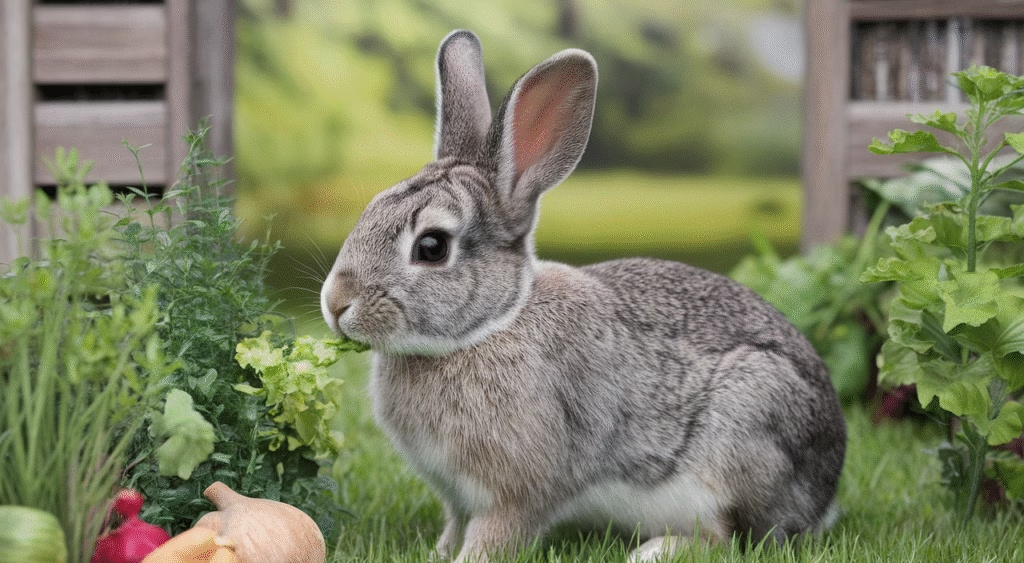
Can Rabbits Eat Dried Lawn Clippings?
Yes, rabbits can eat dried lawn clippings when properly prepared and stored. Learning how to safely feed your rabbit dried lawn clippings requires understanding the critical difference between fresh and dried grass. Fresh clippings pose serious health risks through rapid fermentation, but properly dried grass becomes a safe supplementary fiber source for your rabbit’s diet.
TL;DR: Quick Summary for Rabbit Owners
- Dried lawn clippings are safe for rabbits if they’re collected from pesticide-free lawns and thoroughly dried to prevent mold.
- Never feed fresh clippings—they ferment quickly and can lead to digestive issues like GI stasis or bloat.
- Proper drying techniques include air-drying on mesh screens and sun-curing grass in thin layers.
- Store clippings in a cool, dry space in breathable bags like paper sacks or cardboard boxes—never use plastic.
- Find balance with other foods: dried lawn clippings should never replace hay or a complete rabbit diet.
- Avoid common mistakes like feeding clippings from treated lawns or areas contaminated with toxic plants for rabbits.
1. Understanding Dried Lawn Clippings in Your Rabbit’s Diet
1.1 Understanding the Risks and Benefits
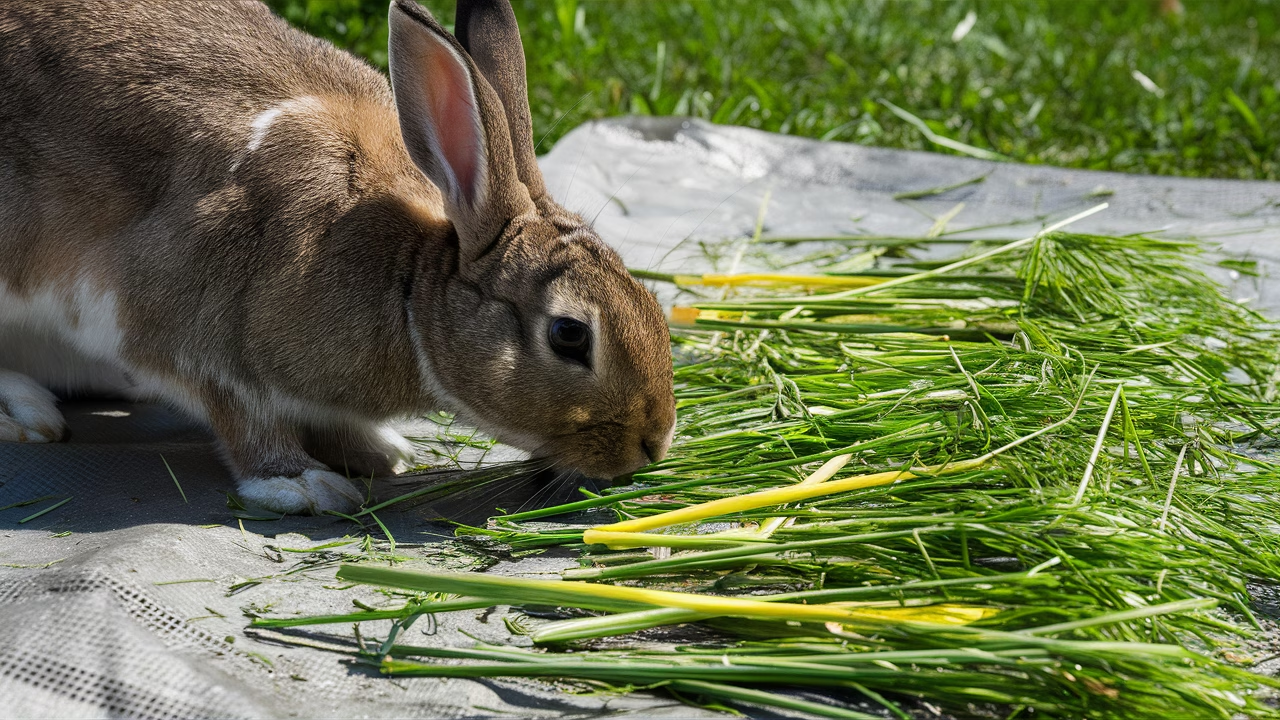
Your rabbit’s digestive system thrives on fiber, making dried grass clippings an appealing supplement. But the key word here is “dried.” When you properly dry and store lawn clippings for rabbits, you create a safe fiber source that mimics natural foraging behavior.
Fresh clippings from lawn mowers ferment within hours, creating dangerous bacteria that disrupt your rabbit’s sensitive gut flora. This fermentation process can trigger bloating, diarrhea, or even life-threatening GI stasis. However, when grass undergoes proper drying techniques, its fibrous structure remains intact while eliminating mold risks.
The health benefits of dried grass for rabbits include additional fiber variety and mental stimulation through foraging behavior. Think of dried lawn clippings as a nutritious supplement that enhances your rabbits diet without replacing essential hay. Timothy hay remains your rabbit’s primary fiber source because its long-stalk structure promotes natural dental wear and optimal digestive function.
2. How to Properly Dry and Store Lawn Clippings for Your Rabbit
2.1 Effective Drying Techniques
Mastering how to safely feed your rabbit dried lawn clippings begins with proper drying methods. The goal is complete moisture removal to prevent mold growth and bacterial contamination.
- Thin-Layer Sun Drying: Spread grass clippings in a single, thin layer on clean mesh screens or tarps. Position them in direct sunlight for 8–12 hours, turning occasionally for even drying. Complete desiccation is essential—not just surface drying.
- Indoor Air Drying: For indoor drying, use mesh baking racks in well-ventilated areas. Position fans to maintain air circulation around the clippings. This method typically requires 1–2 days for thorough drying.
- Temperature and Humidity Control: Choose dry days with low humidity for outdoor drying. Avoid drying during rainy or extremely humid conditions that slow moisture evaporation.
2.2 Storage Tips for Maximum Freshness
Once your grass clippings achieve complete dryness—feeling crisp and brittle to the touch—proper storage maintains quality and prevents spoilage.
- Choose breathable containers like paper bags, canvas sacks, or cardboard boxes. These materials allow continued air circulation while protecting against excess humidity.
- Select optimal storage locations that remain cool, dry, and away from direct sunlight. Avoid areas near water sources like laundry rooms or basements.
- Label storage containers with drying dates and grass source locations. This tracking system helps you monitor freshness and identify the best drying methods.
3. Building a Complete Rabbit Diet with Safe Alternatives
3.1 Best Foods for Rabbits
Creating optimal rabbit nutrition requires understanding how dried lawn clippings fit within a balanced rabbits diet. While dried grass provides valuable fiber variety, it works best alongside other essential components.
| Category | Examples | Benefits |
|---|---|---|
| Hay (80–90%) | Timothy, Orchard, Meadow | Essential for digestion and dental wear |
| Fresh Vegetables | Romaine, Cilantro, Dandelion greens | Hydration, vitamins, mental enrichment |
| Quality Pellets (5%) | High-fiber, plain varieties | Concentrated nutrients and proteins |
| Safe Herbs & Treats | Fresh mint, basil, carrot tops | Flavor variety and foraging enrichment |
| Dried Lawn Clippings | Properly air-dried grass | Supplemental fiber and chewing variety |
Remember that hay remains the foundation of healthy rabbit nutrition. The long fibers in timothy hay provide essential dental wear that dried grass clippings cannot replicate. Use dried clippings as an enrichment tool rather than a dietary staple.
4. Avoiding Common Mistakes When Feeding Lawn Clippings
4.1 Identifying and Avoiding Toxic Plants

One of the most serious mistakes feeding lawn clippings to rabbits involves accidentally including toxic plants for rabbits. Many common yard plants pose severe health risks when consumed by rabbits.
Before collecting any grass clippings, thoroughly inspect your lawn for potentially harmful vegetation. Common toxic plants for rabbits include buttercups, foxglove, yew, rhubarb leaves, lily of the valley, and daffodils. These plants can cause anything from digestive upset to fatal poisoning.
- Pre-mowing inspection: Walk your entire lawn before mowing, removing any unfamiliar or flowering plants from areas where you plan to collect clippings.
- Hand-collection method: Instead of using mower catchers, hand-select clean grass from areas you know contain only safe vegetation.
- Plant identification resources: Use plant identification apps or consult local extension offices when unsure about specific vegetation in your yard.
When in doubt about any plant material, exclude it entirely. Your rabbit’s safety depends on your careful attention to lawn composition before harvesting any clippings.
5. Creating a Balanced Approach to Rabbit Feeding
Successfully incorporating dried lawn clippings into your rabbit’s routine requires patience and observation. Start with small amounts to gauge your rabbit’s response, watching for changes in appetite, behavior, or digestive patterns. Healthy rabbits maintain consistent eating habits and normal stool production.
The key to how to safely feed your rabbit dried lawn clippings lies in viewing them as one component of a diverse, fiber-rich diet. Quality hay, fresh vegetables, and appropriate pellets form the nutritional foundation, while properly prepared dried grass adds beneficial variety and mental stimulation.
Monitor your rabbit’s overall health when introducing any new food items. If you notice decreased appetite, changes in stool consistency, or unusual lethargy, remove the new item immediately and consult your veterinarian. Remember that each rabbit has individual preferences and sensitivities.
Frequently Asked Questions
Can rabbits eat lawn mower clippings?
Fresh lawn mower clippings are dangerous due to rapid fermentation. Only thoroughly dried, untreated lawn clippings are safe for rabbits.
What grass is safe to dry for rabbits?
Common lawn grasses like fescue, ryegrass, and timothy are safe when pesticide-free. Avoid any areas with toxic plant growth.
How long should I dry the clippings?
Dry clippings for 1–2 days until completely crisp. Never store damp or partially dried grass.
Can dried clippings replace hay?
No. While dried grass adds variety, it lacks the long-stalk fiber necessary for dental and digestive health provided by hay.
Can store-bought lettuce or hay be mixed with dried clippings?
Yes, mixing dried clippings with other safe greens and quality hay enhances variety and supports rabbit nutrition.
What happens if my rabbit eats fresh clippings?
Watch for gas, lethargy, or soft stool. See a vet swiftly if you suspect GI issues. Fresh clippings can ferment and turn toxic.
Is mowing with a bag safer than mulching?
It can be, if you inspect the collected grass and dry it fully. However, hand collecting from known-safe lawn sections is safest.