Optimizing Nutrition for Your Netherland Dwarf Rabbit
How do you feed a Netherland Dwarf Rabbit?
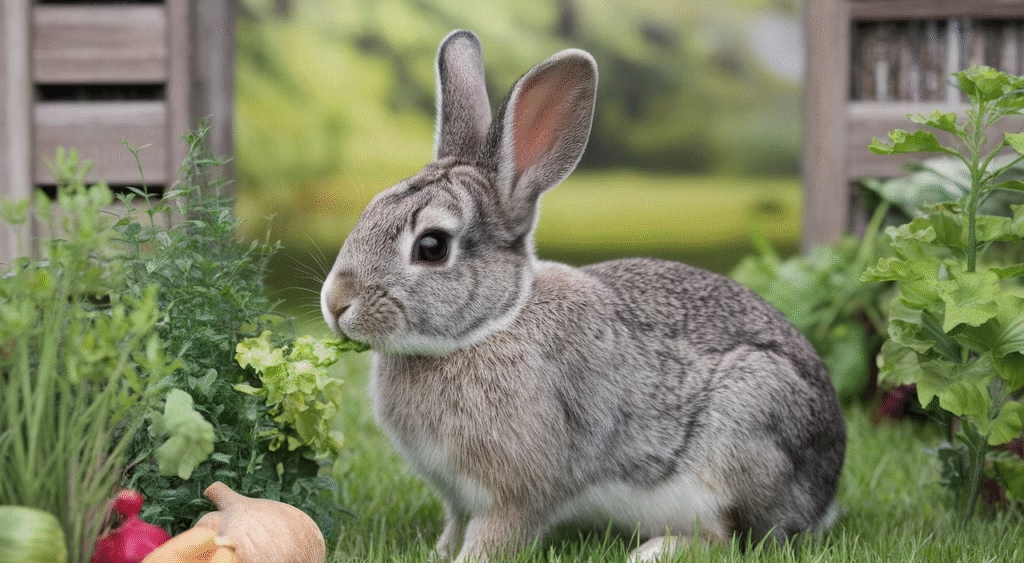
Feeding a Netherland Dwarf Rabbit involves a balanced approach, prioritizing unlimited fresh hay, a measured amount of high-quality pellets, daily fresh leafy greens, and limited healthy treats. Establishing a consistent feeding schedule is key to supporting their digestive health and overall well-being.
TL;DR: Essential Netherland Dwarf Rabbit Nutrition in a Nutshell
- Hay is paramount: Offer unlimited fresh, high-quality hay (Timothy, Orchard, or Oat hay) daily. It’s crucial for digestion and dental health.
- Quality Pellets: Provide a small, measured amount of high-fiber, low-protein, non-alfalfa based pellets. About 1/8 to 1/4 cup per day for adults, depending on their activity level and weight.
- Fresh Greens Daily: Introduce a variety of 1-3 cups of fresh, washed leafy green vegetables each day. Rotate options to ensure a broad spectrum of nutrients.
- Limited Treats: Offer healthy treats like small pieces of fruit or non-leafy vegetables sparingly, only 1-2 times a week.
- Constant Fresh Water: Always ensure your rabbit has access to clean, fresh water, refreshed daily in a heavy ceramic bowl or sipper bottle.
- Avoid harmful foods: Steer clear of sugary human foods, seeds, nuts, avocado, and iceberg lettuce, which can cause severe digestive upset.
- Monitor Weight and Poop: Regularly observe your rabbit’s weight, appetite, and stool consistency to catch any dietary issues early.
Feeding Schedule for Netherland Dwarf Rabbits
Establishing a consistent feeding routine is fundamental for the well-being of your Netherland Dwarf Rabbit. These small creatures thrive on predictability, especially when it comes to their diet, which directly impacts their delicate digestive system. A well-structured daily schedule helps maintain a healthy gut and ensures they receive their necessary nutrients without over or under-eating. For adults, generally over six months of age, the feeding schedule revolves around providing the bulk of their diet in hay, supplemented with carefully measured pellets and fresh greens.
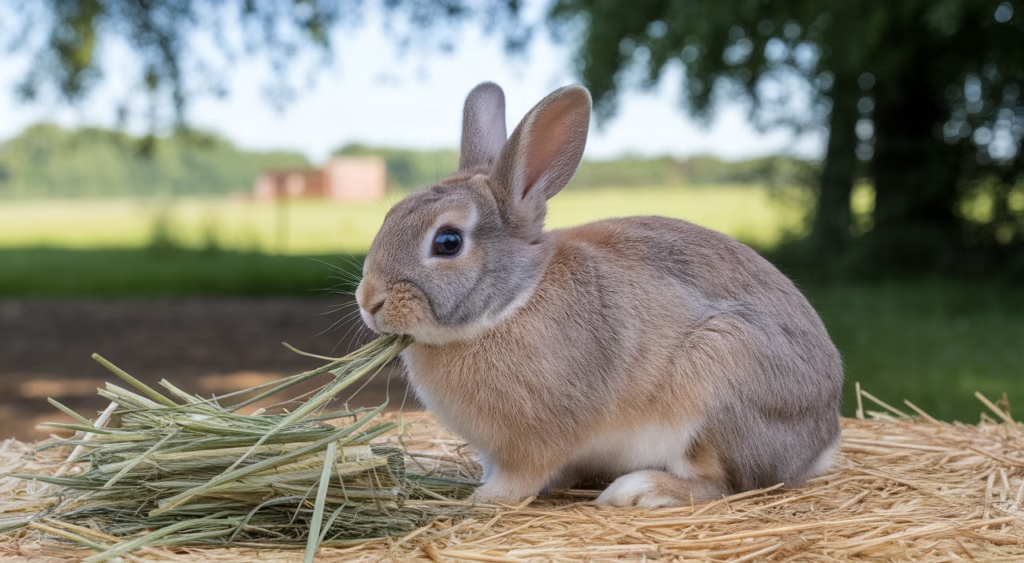
Each morning, start by replenishing their hay rack with an unlimited supply of fresh, sweet-smelling hay. Timothy, Orchard, or Oat hay are excellent choices, forming the cornerstone of their “Netherland Dwarf Rabbit Diet.” This isn’t just filler; hay is vital for grinding down their continuously growing teeth and providing the essential fiber that keeps their digestive tract moving smoothly. Think of hay as their primary food source, available 24/7.
Later in the day, typically in the morning or evening, offer their daily portion of high-quality pellets. For a mature Netherland Dwarf, this usually amounts to about 1/8 to 1/4 cup. It’s crucial to select pellets specifically designed for adult rabbits, high in fiber and low in protein and calcium, avoiding those with added seeds or colorful “treats.” This measured amount helps prevent obesity, a common issue in smaller breeds, and ensures they still consume plenty of hay.
Alongside their pellets, provide 1-3 cups of fresh, washed leafy greens. This can be offered once or split into two servings throughout the day. Variety is key here; rotate options like romaine lettuce, dark leaf lettuces, cilantro, parsley, dill, carrot tops, and kale. Introducing new greens slowly can prevent digestive upset. Always ensure fresh water is available at all times, ideally in a heavy ceramic bowl that can’t be easily tipped over, or a sipper bottle, refreshed daily.
Remember, consistency isn’t just about timing; it’s also about the quality and quantity of food. By adhering to a steady “Netherland Dwarf Rabbit Feeding Guidelines,” you provide stability and promote optimal health for your furry companion.

Essential Nutrients for Netherland Dwarf Rabbits
Just like us, Netherland Dwarf Rabbits require a balanced array of nutrients to thrive. Understanding what constitutes a “Netherland Dwarf Rabbit Balanced Diet” is paramount to ensuring their health and longevity. As an exotic pet nutritionist, I emphasize that these small rabbits have specific needs that differ from larger breeds, and certainly from other household pets. Let’s break down the vital components of “Proper Nutrition for Netherland Dwarf Rabbit.”
The single most important nutrient for a Netherland Dwarf Rabbit is fiber. Hay, as we’ve discussed, is the primary source of this critical nutrient. Fiber isn’t just for digestion; it’s also essential for dental health. Rabbits’ teeth grow continuously, and the abrasive action of chewing hay helps wear them down naturally, preventing painful dental spurs and malocclusion. A lack of sufficient fiber can lead to gut stasis, a life-threatening condition where the digestive system slows or stops.
Next are proteins. While essential for muscle development and repair, adult Netherland Dwarfs require relatively low levels of protein, typically around 12-14% in their diet. High-quality Timothy hay provides adequate protein, and a good pellet formula will supplement this appropriately. Overfeeding protein can lead to kidney issues and obesity, particularly in a small breed like the Netherland Dwarf.
Fats are also necessary but in very small quantities. Essential fatty acids support healthy skin and a shiny coat. Again, hay and quality pellets generally provide sufficient amounts. Excessive fat intake can lead to obesity and other health problems.
Vitamins and Minerals play crucial roles in countless bodily functions. Rabbits produce some B vitamins and vitamin K in their cecum, which they re-ingest through cecotropes (soft night droppings). However, they still need dietary sources of other vitamins, particularly Vitamin A, D, and E, as well as minerals like calcium and phosphorus. High-quality pellets are formulated to provide these, but it’s important to ensure the calcium to phosphorus ratio is correct (typically 1.5:1 to 2:1) to prevent urinary tract issues. Fresh greens also contribute a rich spectrum of vitamins and minerals, making them an indispensable part of the “Netherland Dwarf Rabbit Food List.”
Finally, water is a nutrient often overlooked but critical for all metabolic processes. Constant access to fresh, clean water is non-negotiable for proper hydration and kidney function.
By understanding these essential nutrients and prioritizing a diet rich in hay, alongside appropriate pellets and fresh greens, you are providing the “Best Food for Netherland Dwarf Rabbit” and laying the foundation for a vibrant, healthy life.
Healthy Treat Options for Netherland Dwarf Rabbits
When it comes to “Healthy Treats for Netherland Dwarf Rabbit,” moderation and mindful selection are key. While it’s tempting to spoil our tiny companions, their digestive systems are delicate, and too much sugar or inappropriate foods can lead to serious health issues. Treats should constitute a very small portion of their overall “Netherland Dwarf Rabbit Diet,” ideally no more than 5% of their daily intake, and offered only occasionally.
The best treats are natural and mimic what they might forage in the wild, without the pesticides. Fresh vegetables and certain fruits are excellent choices. Here’s a curated “Netherland Dwarf Rabbit Food List” of safe and healthy treats:
- Leafy Green Vegetables: While many leafy greens are part of their daily diet, some can also serve as exciting treats, especially those less common. Think small sprigs of fresh mint, basil, or a tiny piece of dandelion green (ensure it’s pesticide-free from your garden).
- Non-Leafy Vegetables:
- Carrot: A very small slice (about a nickel-sized round) a few times a week. High in sugar, so truly a treat.
- Bell Pepper: Small pieces of red, yellow, or green bell pepper.
- Cucumber: Thin slices can be refreshing.
- Celery: Small pieces, remove stringy parts.
- Broccoli Stems/Leaves: Small amounts, some rabbits can be gassy.
- Fruits (Very Limited): Fruits are high in sugar and should be given in tiny amounts, no more than 1-2 times a week.
- Apple: Small slice (no seeds, as they contain cyanide).
- Banana: A very small sliver.
- Berries: 1-2 raspberries or blueberries.
- Melon: A tiny cube of watermelon or cantaloupe (no rind or seeds).
Always introduce new treats one at a time and in very small quantities to monitor for any digestive upset, such as soft stools or gas. If you notice any changes, discontinue the new treat. Remember, the goal of treats is enrichment and bonding, not to replace essential dietary components. Focus on natural, unprocessed options to support their “Netherland Dwarf Rabbit Balanced Diet” and keep them healthy.
Common Mistakes to Avoid in Netherland Dwarf Rabbit Nutrition
Even with the best intentions, it’s easy to fall into common pitfalls when feeding our beloved Netherland Dwarf Rabbits. As an exotic pet nutritionist, I frequently encounter owners struggling with issues that often stem from dietary misunderstandings. Avoiding these mistakes is crucial for ensuring “Proper Nutrition for Netherland Dwarf Rabbit” and preventing a host of health problems. Let’s address some of the most prevalent errors.
One of the most significant mistakes is overfeeding pellets. While “Netherland Dwarf Rabbit Pellets” are a concentrated source of nutrients, they are not meant to be the primary component of their diet. Many owners, especially those new to rabbits, unknowingly provide too many pellets, leading to obesity, dental issues (as rabbits chew less hay), and gastrointestinal problems like gut stasis. Remember, pellets should be a small, measured supplement to an unlimited hay diet, not the other way around.
Another common error is providing an insufficient amount of hay or offering poor-quality hay. Some owners view hay as just bedding, or they choose alfalfa hay for adult rabbits. Alfalfa hay is too high in protein and calcium for adult Netherland Dwarfs and should be reserved for growing youngsters or pregnant/nursing does. Without constant access to fresh, fibrous hay (like Timothy, Orchard, or Oat), rabbits cannot adequately wear down their teeth, leading to painful spurs, and their digestive system lacks the necessary bulk to function properly. This directly impacts their “Netherland Dwarf Rabbit Nutrition” foundation.
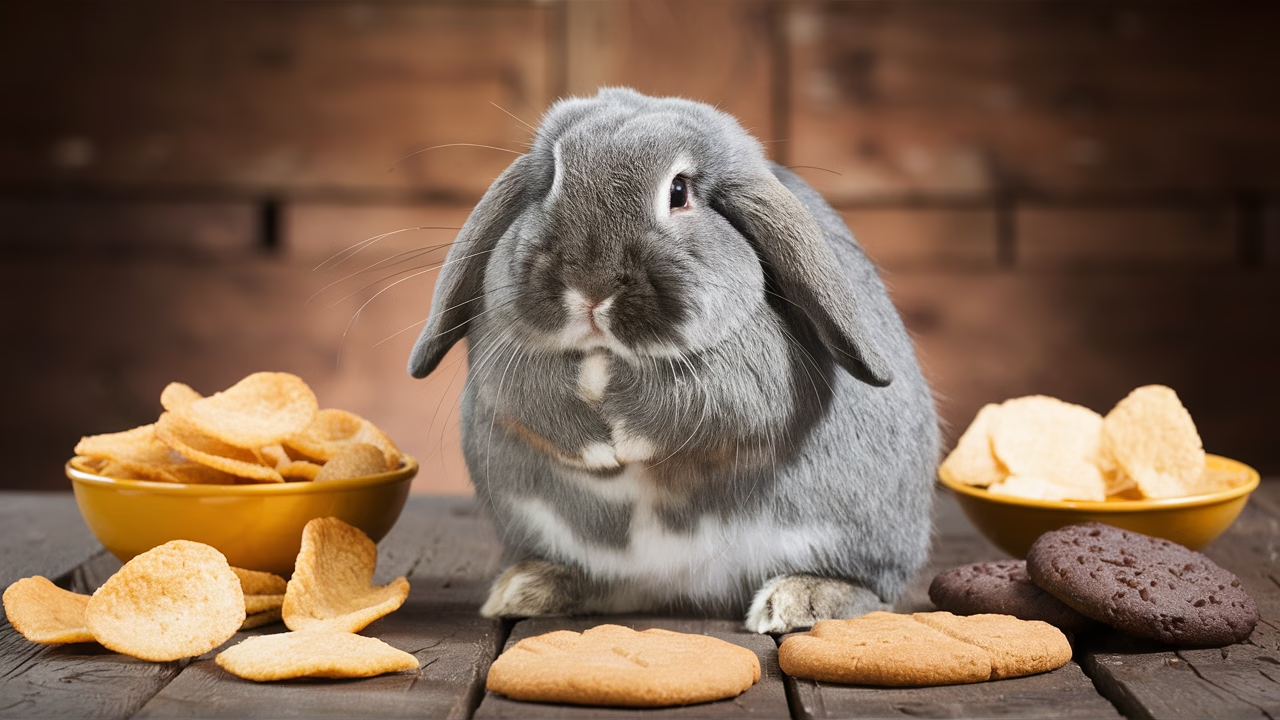
Feeding inappropriate treats or human foods is another frequent misstep. Items like sugary cereals, crackers, bread, cookies, chocolate, and even seemingly innocuous items like avocado or certain house plants, can be toxic or cause severe digestive upset. While we want to show affection, giving these foods can quickly lead to an unbalanced “Netherland Dwarf Rabbit Diet,” resulting in obesity, diarrhea, or even fatal health complications. Stick to the list of “Healthy Treats for Netherland Dwarf Rabbit” mentioned earlier, and always in strict moderation.
Lack of variety in fresh greens can also be an issue. While it’s great to feed greens, sticking to just one or two types can lead to nutrient deficiencies or excesses. Rotating a variety of 3-5 different leafy greens daily ensures a broader spectrum of vitamins and and keeps their diet interesting and enriching. Introduce new greens slowly to avoid digestive upset.
Finally, neglecting fresh water is a critical oversight. Water intake is vital for digestion, nutrient absorption, and preventing urinary tract issues. Ensure your rabbit always has access to clean, fresh water, refreshed daily, whether in a bowl or a bottle. Bowls tend to encourage more drinking and are often preferred by rabbits.
By being aware of these common mistakes and actively working to avoid them, you can significantly improve your Netherland Dwarf Rabbit’s health and happiness, ensuring they receive the “Best Food for Netherland Dwarf Rabbit” tailored to their unique needs.
FAQs About Feeding Netherland Dwarf Rabbits
- What should I feed a baby Netherland Dwarf Rabbit?
- Baby Netherland Dwarf Rabbits (under 6 months) have different nutritional needs. They require unlimited alfalfa hay, unlimited high-quality alfalfa-based pellets, and constant fresh water. Introduce small amounts of fresh greens gradually after 3-4 months of age.
- What vegetables are safe for Netherland Dwarf Rabbits?
- A wide variety of leafy greens are safe and encouraged, including romaine lettuce, green leaf lettuce, red leaf lettuce, cilantro, parsley, dill, basil, mint, carrot tops, kale, and collard greens. Introduce new vegetables slowly and in small amounts.
- How much hay should a Netherland Dwarf Rabbit eat daily?
- Adult Netherland Dwarf Rabbits should have access to unlimited fresh hay (Timothy, Orchard, or Oat hay) every single day. This means their hay rack should never be empty, as hay is the most crucial part of their diet for digestion and dental health.
- Can Netherland Dwarf Rabbits eat fruit?
- Yes, but fruits should be given as very occasional treats due to their high sugar content. Small pieces of apple (no seeds), banana, berries, or melon can be offered 1-2 times a week, making up no more than 5% of their total diet.
- What foods are toxic or dangerous for Netherland Dwarf Rabbits?
- Avoid all human processed foods, sugary items, chocolate, avocado, seeds, nuts, corn, beans, peas, onions, garlic, potatoes, iceberg lettuce, and rhubarb. These can cause severe digestive upset, toxicity, or even be fatal.
- How do I transition my Netherland Dwarf Rabbit to a new diet?
- Any dietary changes, especially introducing new foods or switching pellet brands, should be done very gradually over 1-2 weeks. Slowly mix increasing amounts of the new food with decreasing amounts of the old food to allow their digestive system to adapt and prevent upset.