What Should a Proper Rabbit Diet Look Like?
If you’ve ever stood in the pet food aisle unsure of what to grab for your bunny, you’re not alone. A proper rabbit diet might seem simple at first glance—just toss them a carrot, right? Not quite. Healthy rabbit nutrition is a careful blend of hay, leafy greens, fresh water, minimal fruits, and specifically formulated pellets. Understanding how to provide this balanced diet for rabbits can make all the difference in your bunny’s health, energy, and even lifespan.
TL;DR: A Quick Guide to a Balanced Rabbit Diet
- Hay is King: Timothy hay or orchard grass hay should make up 80-90% of their daily intake.
- Fresh Veggies Daily: Offer 1-2 cups per 6 lbs. of body weight daily. Mix leafy greens like romaine, kale, or cilantro.
- Pellets in Moderation: Choose high-fiber, plain rabbit pellets with no seeds or colored bits. 1/4 cup per 6 lbs. daily is enough.
- Fruits & Treats Sparingly: Use as special treats—1-2 tbsp per day, max.
- Fresh Water Always: Unlimited, clean, and refreshed daily.
- Balance is Key: Proper rabbit diet impacts weight, digestion, teeth, and life span.
Best Veggies and Fruits for Your Rabbit
Think of fresh veggies for rabbits as the colorful, crunchy salad bar of your rabbit’s daily routine—but even salads need curation. While many vegetables are beneficial for rabbit nutrition, some should be given occasionally or avoided altogether.
Safe Vegetables for Baby Bunnies
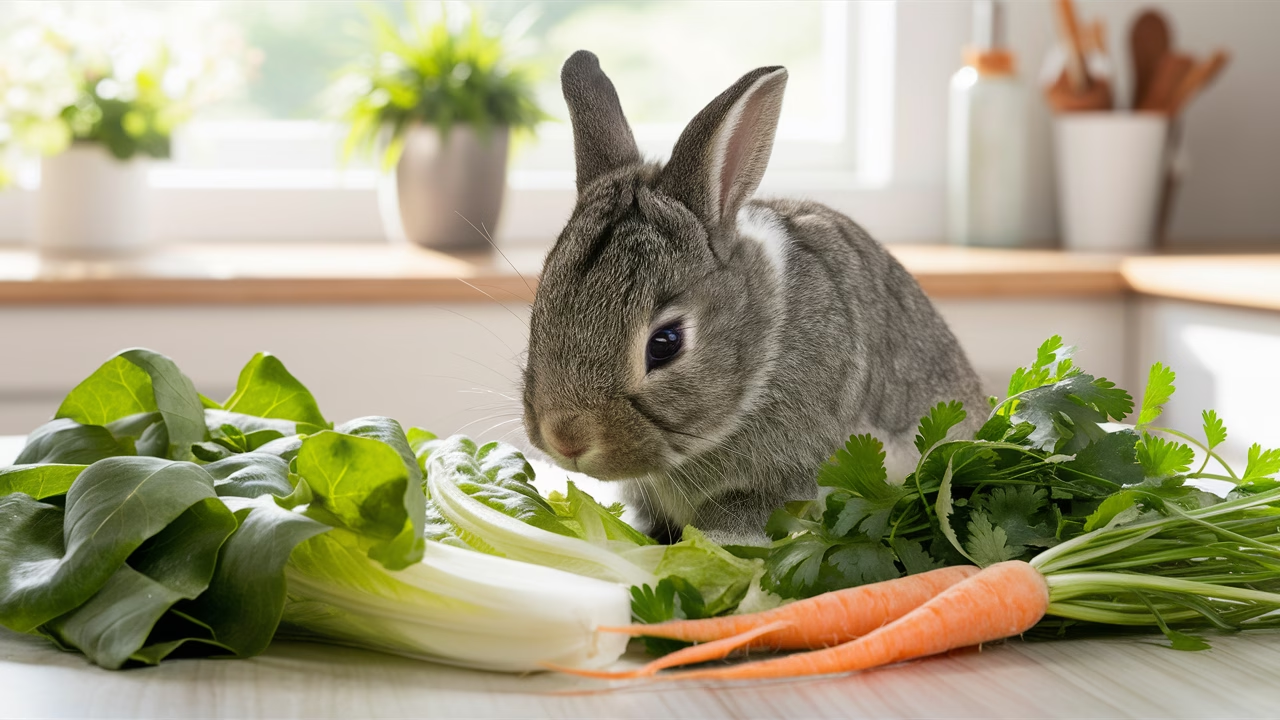
Baby bunnies have delicate digestive systems. Before 12 weeks of age, it’s best to avoid introducing vegetables. Once ready, introduce one leafy green at a time and monitor for loose stool or any signs of bloating. Here’s a list of safe vegetables for baby bunnies to get started:
| Vegetable | Safe for Baby Bunnies (12+ weeks) | Frequency |
|---|---|---|
| Romaine Lettuce | Yes | Daily |
| Kale | Yes (sparingly) | 2–3 times/week |
| Cilantro | Yes | Daily |
| Carrot Tops | Yes | Daily |
| Spinach | Yes (rarely) | Once/week |
Fruits should be limited, especially for young rabbits. Think apple (no seeds), banana, or blueberries in very small quantities—about a teaspoon.
Importance of Hay in a Rabbit’s Diet
Hay isn’t just rabbit food—it’s a lifestyle. As a vet, I often tell pet owners: if pellets are the snack, hay is the buffet, the workout, and the toothbrush all in one. The best hay for pet rabbits promotes digestion, wears down ever-growing teeth, and provides essential fiber.
So, what is the best hay for pet rabbits?
- Timothy Hay (1st or 2nd cut): The gold standard—high in fiber, moderate in protein.
- Orchard Grass: Excellent for bunnies with allergies; soft, sweet-smelling, and palatable.
- Alfalfa: Only for baby rabbits (
Ensure your bunny always has unlimited access to fresh, dry hay, ideally kept in a hay rack to stay clean. The best hay for pet rabbits should smell fresh and appear green, not brown or moldy.
Pellets vs. Fresh Foods: What’s Best for Your Bunny?
Let’s cut through the pellet confusion. You walk into a store and see dozens of brands, some colorful, most promising “complete nutrition.” In reality, your rabbit needs plain, high-quality rabbit pellets—no seeds, corn, dried fruit, or mystery chunks.
Rabbit pellets should supplement, not dominate, your balanced diet for rabbits. Stick to about:
- 1/4 cup/day for rabbits under 6 lbs.
- 1/2 cup/day for larger breeds.
Too many rabbit pellets can lead to obesity, soft stool, or dental problems because your bunny won’t chew enough hay.
Crafting a Well-Balanced Diet for Your Rabbit
A balanced diet for rabbits looks like a pie chart of priorities, not equal parts of everything. Here’s how their daily intake should break down:
| Food Type | Daily % of Diet |
|---|---|
| Hay | 80–90% |
| Fresh Vegetables | 10–15% |
| Pellets | 5% |
| Fruits/Treats |
How to Transition Rabbits to a New Diet

Ever introduced a new veggie or changed a brand of rabbit pellets only to have your bunny stop eating or develop runny stool? Rabbits have sensitive guts. Knowing how to transition rabbits to a new diet can prevent big problems.
Follow these steps to transition rabbits to a new diet:
- Introduce new foods one at a time over 7–10 days.
- Start with a small amount (about a teaspoon).
- Watch for changes: diarrhea, bloating, gas, or lethargy.
- If issues arise, remove the new food and retry in a few weeks.
In practice, patience is everything when you transition rabbits to a new diet. Some rabbits are picky at first, but repetition helps them adapt. Never switch anything overnight, especially pellets or hay types.
Rabbit Feeding Schedule and Portion Control
Rabbits do best on routines, and that includes mealtimes. Create a predictable rabbit feeding schedule like you would for a dog or cat. Here’s a typical daily rabbit feeding schedule:
- Morning: Provide fresh hay, a small mix of leafy greens, refill water.
- Mid-day: Hay top-up and a small amount of rabbit pellets (if not fed all at once).
- Evening: Serve remaining fresh veggies for rabbits, offer a bit of fruit as a treat (optional).
Keep an eye on portion sizes for your rabbit feeding schedule. A food scale helps with veggies. Overfeeding is more common than underfeeding—and remember, an obese bunny isn’t a happy one.
Cost Comparison: Hay, Pellets, and Veggies
| Food Type | Monthly Cost (approx.) | Notes |
|---|---|---|
| Timothy Hay | $10–$20 | Buy in bulk for savings |
| Premium Pellets | $5–$15 | Depends on brand/quality |
| Fresh Veggies | $10–$30 | Varies by season and location |
Final Thoughts
Your bunny depends on you for nutrition, and a well-structured rabbit diet is one of the greatest acts of care you can provide. With the right combination of the best hay for pet rabbits, fresh veggies for rabbits, quality rabbit pellets, and love, your rabbit will hop happily and healthily for years to come.
Frequently Asked Questions
What vegetables are safe for baby bunnies?
Romaine, carrot tops, cilantro, and basil are safe vegetables for baby bunnies after 12 weeks old. Introduce gradually and one at a time.
How much hay should I feed my rabbit?
The best hay for pet rabbits should always be available. A rabbit typically eats a pile of hay equal to their body size daily.
Can rabbits eat fruit daily?
Fruit should be limited to 1–2 tablespoons daily as a treat due to high sugar content in a balanced diet for rabbits.
Are rabbit pellets necessary?
Yes, but only in small amounts. Rabbit pellets provide some nutrients but shouldn’t replace hay or fresh greens in your rabbit diet.
How do I switch my rabbit to a new diet?
Do it gradually over 7–10 days. Introduce one change at a time and monitor digestion closely when you transition rabbits to a new diet.
What’s the difference between 1st and 2nd cut timothy hay?
1st cut is coarser, higher in fiber. 2nd cut is softer, more palatable. Both are good options for the best hay for pet rabbits.
Can rabbits eat spinach or kale daily?
No, these fresh veggies for rabbits are high in oxalates and should only be fed a few times a week in small amounts.