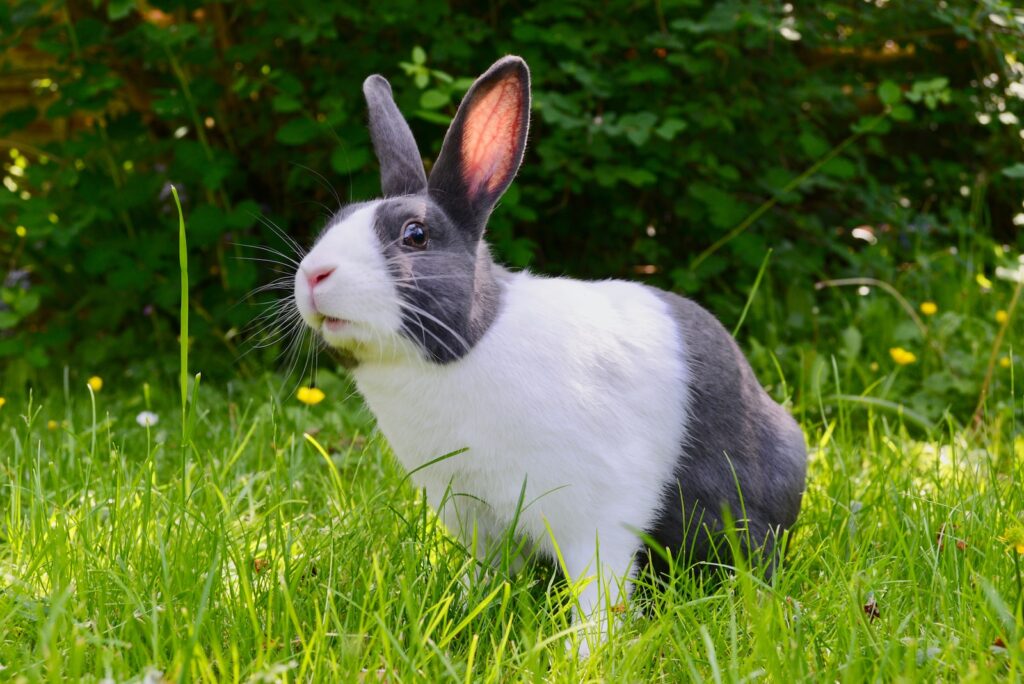
Rabbits can chew clean, plain cardboard as enrichment supervised at first, but cardboard should not replace hay and it is not safe in every form. Remove tape, staples, labels and contaminated sections; avoid glossy, waxed, heavily printed or chemically treated packaging; and take the box away if your rabbit eats large amounts instead of shredding it.
Is cardboard safe for rabbits to chew?
Chewing and shredding are normal rabbit behaviours. A clean cardboard box can provide a hiding place, tunnel, digging project or forage toy. The RSPCA rabbit-enrichment guide recommends cardboard boxes and tubes for hiding and foraging, provided items are clean and free of staples, tape, heavy dyes and toxic glues.
Cardboard is enrichment rather than food. Rabbits need unlimited hay or grass for long fibre, normal digestion and dental wear. A rabbit that swallows occasional small fibres while shredding a safe box is different from one that consumes pieces repeatedly or chooses cardboard instead of hay.
Which cardboard should you avoid?
Do not offer cardboard that is:
- wet, mouldy, greasy or contaminated by cleaning products, chemicals or unknown cargo;
- covered in tape, plastic windows, staples, string or loose labels;
- glossy, waxed, laminated or heavily printed;
- treated to resist water, flame, pests or grease;
- small enough to trap the rabbit’s head, leg or body;
- damaged in a way that creates sharp edges or collapsing structures.
Choose a plain, dry box from a known source. Remove every fastening and cut at least two rabbit-sized entrances so a rabbit in a shared enclosure cannot be cornered inside. Replace the box when it becomes damp, soiled or unsafe.
Why does my rabbit destroy cardboard?
Rabbits use their mouths to explore, forage, dig and alter their surroundings. Shredding a box can be rewarding because the material yields quickly and allows the rabbit to create an entrance or nest-like space. It does not necessarily mean that the rabbit is naughty or that the behaviour must stop.
Excessive chewing of unsuitable objects can, however, signal that the environment needs improvement. The RSPCA natural-behaviour guide notes that chewing unsuitable items can be associated with boredom, anxiety, stress or frustration. Pain or illness can also change behaviour, so seek veterinary advice when chewing changes suddenly or appears alongside reduced appetite, unusual posture or other symptoms.
How to manage cardboard chewing safely
- Keep hay available everywhere. Place fresh hay beside or inside the cardboard activity so the rabbit has an appropriate food to chew.
- Supervise the first sessions. Watch whether the rabbit shreds, hides, digs or repeatedly swallows pieces.
- Use cardboard as part of a rotation. Offer tunnels, digging trays, hay-stuffed tubes, untreated willow, seagrass mats and other rabbit-safe items.
- Protect hazards. Block access to electrical cables, toxic plants, foam, painted wood and valuable furniture rather than relying on verbal correction.
- Provide space and companionship. Rabbits need room to run, forage, rest and interact with a compatible rabbit, not only a box in a small enclosure.
- Remove unsafe material promptly. Take the box away if it becomes wet, dirty, structurally unstable or is being eaten in quantity.
For a broader setup that combines exercise, hiding and rabbit-proofing, see our guide to creating a rabbit exercise area in a studio apartment.
Cardboard enrichment ideas
Hay-stuffed tubes
Stuff a plain cardboard tube loosely with hay so the rabbit can pull it out. Ensure the tube is wide enough not to trap the rabbit’s head, and do not add extra treats beyond the normal daily ration.
Two-door hide box
Cut two smooth entrances in a sturdy box. Multiple exits reduce the chance of one rabbit trapping another. Make the holes large enough for the biggest rabbit to pass through without scraping their back.
Forage parcel
Place a few pellets from the rabbit’s measured allowance among hay in a small open box or plain brown paper. Keep the task easy at first and supervise to prevent frustration or ingestion of unsafe packaging.
Digging box
Use a sturdy container filled with hay or clean shredded plain paper. Keep it dry, stable and large enough for turning around. Replace the contents when soiled.
When should cardboard chewing worry you?
Remove the cardboard and contact a veterinarian if your rabbit stops eating normal food, produces fewer or no droppings, becomes lethargic, appears bloated, repeatedly presses the abdomen to the floor or seems painful. These signs are not something to monitor at home for a day.
Also arrange advice if a rabbit suddenly begins chewing or eating non-food materials, damages their mouth, or ignores hay. A dental problem, digestive illness, stress or an unsuitable environment may need attention.
Frequently asked questions
Can rabbits eat cardboard?
Cardboard is not food. Swallowing a few small fibres while shredding clean, plain cardboard may occur, but remove it if the rabbit eats pieces repeatedly or chooses it instead of hay.
Is printed cardboard safe for rabbits?
Avoid heavily printed, glossy, waxed or laminated cardboard. Use plain, clean cardboard with all tape, labels, staples and plastic removed.
Why does my rabbit prefer cardboard to toys?
Cardboard is easy to shred and supports digging, hiding and foraging behaviours. Offer several safe textures and rotate activities while keeping hay available at all times.
How often should I replace a rabbit’s cardboard box?
Replace it whenever it becomes damp, soiled, contaminated, unstable or small enough to create a trapping hazard. Check cardboard items every day.
What signs need urgent veterinary advice?
Seek prompt veterinary help if the rabbit stops eating, produces fewer or no droppings, becomes lethargic, appears bloated or shows pain, whether or not cardboard was recently chewed.