A rabbit exercise area in a studio apartment can be safe and enriching when it gives rabbits a permanent, secure place to move, hide, forage and rest. The room may be compact, but their welfare needs do not shrink with the floor plan. Start with the largest rabbit-proofed zone you can provide, use solid non-slip flooring and keep cables, toxic plants and unsafe gaps completely out of reach.
What an indoor rabbit exercise area must provide
A suitable setup is more than a cage opened for occasional play. Rabbits need enough uninterrupted space to run, hop, jump, stretch out and stand upright without their ears touching the top. They also need choice: a sheltered resting area, toilet area, feeding station, hiding places and room to move between them.
The RSPCA guide to keeping rabbits indoors recommends a large, safe enclosure with a shelter and secure exercise area. It also explains that indoor areas should have solid, non-slip flooring and be protected from hazards such as electrical wires and toxic plants.
If the only available space cannot let your rabbits perform normal movements comfortably, a studio apartment may not be a suitable home for them. Do not rely on a tiny pen plus a short daily outing to compensate for inadequate living space.
Plan the studio around clear rabbit zones
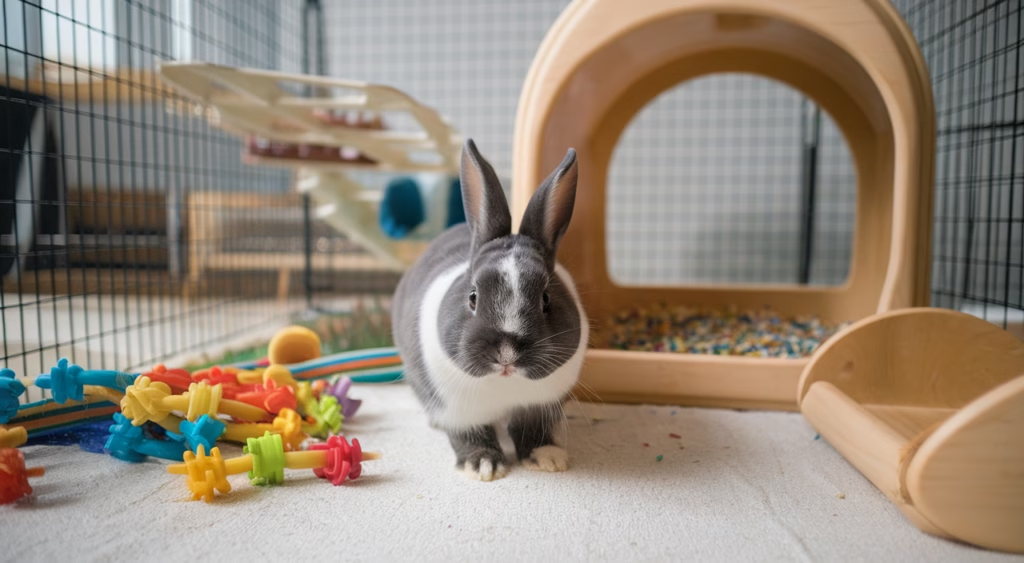
A simple zoning plan makes a small room easier to manage. Use a sturdy exercise pen, pet-safe barrier or fully rabbit-proofed part of the room to create a continuous home base. Arrange the essentials around the perimeter so the centre remains open for movement.
- Resting zone: Provide a quiet shelter and hiding places. Aim for one hiding place per rabbit plus an extra, and choose hides with two exits so one rabbit cannot block another.
- Toilet and hay zone: Place a large litter tray where the rabbits naturally toilet, with fresh hay close enough to eat while using it. See the rabbit-safe litter guide for suitable tray materials.
- Exercise lane: Leave a clear route long enough for several consecutive hops instead of filling every gap with furniture or toys.
- Enrichment zone: Add a tunnel, chew items and a digging or foraging activity without blocking the main route.
Choose safe flooring and barriers
Polished wood, laminate and tile can be slippery for rabbits. Cover accessible routes with secure, washable non-slip mats or runners that do not bunch up. Watch for chewing: remove any mat if a rabbit tears off and swallows fibres. Avoid mesh flooring because it can damage feet.
Barrier height must be chosen for the individual rabbit; some rabbits jump or climb much higher than expected. Check panel spacing as well as height so a head or leg cannot become trapped. Fasten panels securely and remove sharp edges, loose clips and unstable platforms. A raised platform should be low, stable and fitted with a non-slip surface.
Rabbit-proof every reachable part of the apartment
Assume anything within reach will be investigated with teeth. Put electrical cables behind rigid barriers or route them completely out of reach. Block access behind appliances, under reclining furniture, near heaters and beside doors that open outdoors. Remove toxic houseplants and prevent fallen leaves from entering the area.
Protecting the room is not the same as making a cable safe to chew. Flexible sleeves can themselves be damaged, so use physical separation wherever possible. For more detail, read the guide to preventing rabbits from chewing cords and baseboards.
Add enrichment without clutter
Good enrichment supports natural behaviours rather than simply filling the pen. Cardboard boxes with two exits can serve as hides, while plain cardboard tubes filled with hay can encourage foraging. A shallow dig box, untreated chew materials and food scattered through hay add variety without taking over the room.
Rotate a few safe items instead of presenting everything at once. Keep the central exercise route open and check toys daily for sharp edges, loose threads, staples, tape or pieces small enough to swallow. The guide to rabbit toys for indoor enrichment offers more activity ideas.
Support exercise, companionship and a calm routine
Rabbits are most active around dawn, dusk and overnight, so continuous access to a safe exercise area is more useful than access only when it suits a human schedule. Observe how your rabbits use the layout and adjust bottlenecks, slippery patches or unused areas.
Compatible rabbits also need space to be together and to move apart. Human interaction does not replace rabbit companionship. If your rabbits are not already bonded, get appropriate welfare or veterinary advice before introducing them; do not place unfamiliar rabbits together in a small pen.
Keep the setup clean and reassess it regularly
Spot-clean the toilet area daily, replace wet material promptly and clean the wider area often enough to keep it dry and well ventilated. Avoid strongly scented cleaners in the occupied space, rinse cleaned surfaces as directed and let them dry before the rabbits return.
Recheck the enclosure after moving furniture, adding an appliance or changing a cable. A layout that worked for a young rabbit may need stronger barriers or more space as behaviour and mobility change.
Frequently asked questions
Can rabbits live safely in a studio apartment?
Yes, but only if the apartment can provide a large, permanent rabbit-proofed area with room for normal movement, hiding, feeding, toileting and rest. A small cage with brief exercise periods is not an adequate substitute.
What flooring is best for an indoor rabbit exercise area?
Use solid, non-slip flooring. Secure washable mats or runners can add traction over smooth laminate, wood or tile, but remove any covering that a rabbit chews and swallows.
Should rabbits have access to the exercise area all day?
Continuous access is preferable because rabbits are active at different times, including early morning, late afternoon and overnight. The area must remain secure when nobody is directly supervising it.
How do I stop a rabbit exercise area from feeling crowded?
Place the litter tray, hay, water and hides around the edges, preserve a clear exercise route and rotate a small number of enrichment items. Do not fill the central floor space with toys.
Can one rabbit live alone in an apartment?
Rabbits are social animals and normally need a compatible rabbit companion. If a veterinarian advises that a rabbit must live alone, ask how to meet that rabbit’s social and welfare needs.