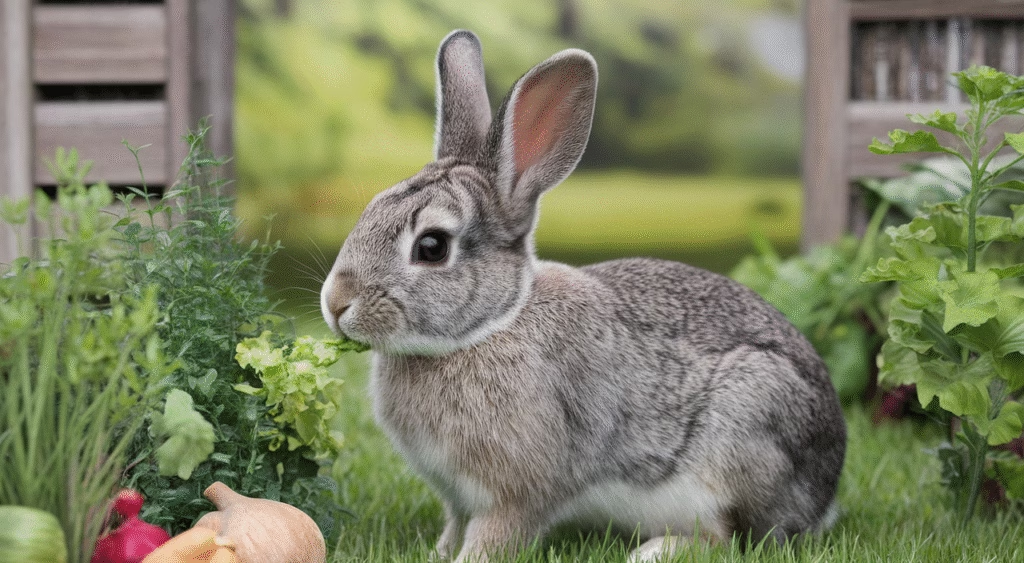
Pregnant rabbits can eat alfalfa hay, but it should be used as a nutrient-dense part of a balanced, veterinarian-guided diet rather than replacing all grass hay automatically. Gestation and lactation increase a doe’s need for protein and energy, while alfalfa supplies more protein and calcium than timothy or orchard grass hay. The right amount depends on body condition, the rest of the diet and any history of urinary or digestive problems.
Why alfalfa can help during pregnancy
Alfalfa is a legume hay, not a grass hay. Its richer nutritional profile can suit rabbits whose requirements are higher because they are growing, pregnant or producing milk. The MSD Veterinary Manual’s rabbit nutrition guidance explains that protein, fibre, fat and energy should be adjusted for life stage, including gestation and lactation.
That does not mean every pregnant rabbit needs unlimited alfalfa. A doe already eating a complete breeding diet may receive much of the extra nutrition through an appropriate pellet. Sudden or excessive changes can disturb the digestive system or add unnecessary calories.
Alfalfa hay versus grass hay
Timothy, orchard and meadow hay are grass hays. They provide long-strand fibre and should remain central to most rabbits’ diets. Alfalfa is denser in energy, protein and calcium, so it serves a different purpose. For a pregnant doe, a mixture of familiar grass hay and a measured amount of alfalfa may be more appropriate than an abrupt full switch. For help comparing everyday options, see our guide to choosing hay for rabbits.
For non-pregnant adult rabbits, routine high-calcium alfalfa feeding is usually unnecessary. The Rabbit Welfare Association & Fund’s urinary-health guidance identifies pregnancy, lactation and growth as situations in which increased calcium can be appropriate, while warning against unnecessary high-calcium feeding in other adults.
How to introduce alfalfa safely
- Confirm the pregnancy and diet plan. A rabbit-experienced veterinarian can confirm pregnancy, assess body condition and recommend a feeding plan.
- Keep familiar hay available. Do not remove a rabbit’s usual grass hay simply because alfalfa is added.
- Introduce it gradually. Offer a small amount mixed with familiar hay, then watch appetite and droppings before increasing it.
- Review the whole diet. Hay, pellets, greens and treats all contribute calories and nutrients. Avoid adding supplements unless a veterinarian recommends them.
- Provide constant fresh water. Hydration supports digestion and urinary health.
What to monitor
Check that the doe continues eating normally and producing normal-sized droppings. Monitor body condition rather than relying on weight alone, because pregnancy changes weight naturally. Contact a rabbit-experienced veterinarian promptly if she stops eating, produces fewer droppings, appears weak, shows abdominal pain, strains to urinate or passes unusually thick urine.
Late pregnancy and nursing can change nutritional needs quickly. The best plan is therefore individual: a thin doe carrying a litter may need more concentrated nutrition than an overweight doe eating an energy-rich pellet.
Common feeding mistakes
- Replacing all familiar hay overnight.
- Assuming “more calcium” is always better.
- Adding alfalfa, rich pellets and calorie-dense treats at the same time.
- Using supplements without veterinary advice.
- Continuing a pregnancy diet indefinitely after weaning without reassessment.
After the kits are born
Lactation generally requires more energy and protein than gestation. A nursing doe may therefore continue receiving alfalfa or a breeding/lactation pellet as part of her plan. Once the kits are weaned, reassess the mother’s body condition and gradually return her to an adult maintenance diet if appropriate. Avoid a sudden change, because rabbits depend on a stable, fibre-rich diet.
Frequently asked questions
Can pregnant rabbits eat alfalfa hay every day?
Yes, a pregnant rabbit may eat alfalfa hay daily when it is appropriate for her overall diet, but the amount should reflect her body condition, pellet intake and veterinary advice.
Should alfalfa replace timothy hay during pregnancy?
Not automatically. Many pregnant rabbits can continue eating familiar grass hay while receiving a measured amount of alfalfa or an appropriate breeding pellet for additional nutrition.
Can too much alfalfa harm a rabbit?
Too much can add unnecessary calories and calcium, particularly for a rabbit whose other food is already nutrient-dense or who has a urinary-health history.
How should alfalfa hay be introduced?
Introduce a small amount alongside the rabbit’s familiar hay, increase it gradually if needed, and monitor appetite, droppings, urination and body condition.
Should a nursing rabbit continue eating alfalfa?
A nursing rabbit may need the extra energy and protein that alfalfa or a lactation diet provides, but her feeding plan should be reviewed again after the kits are weaned.