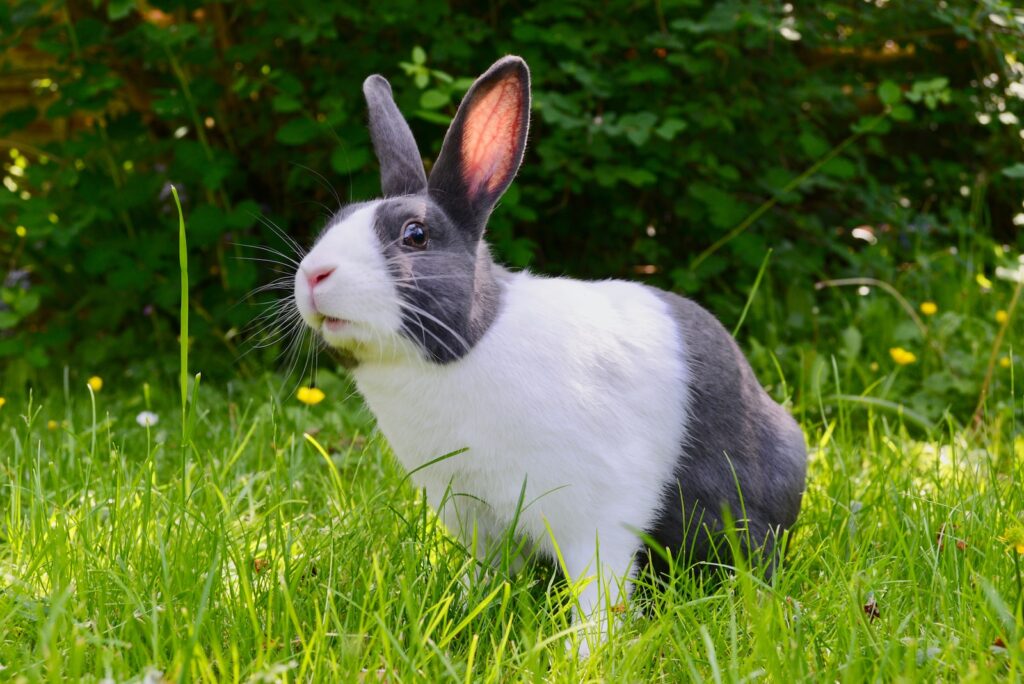
The smallest widely recognised rabbit breeds include the Netherland Dwarf and Britannia Petite, both with an American Rabbit Breeders Association (ARBA) maximum show weight of 2.5 pounds, plus the Dwarf Hotot at 3 pounds. The Polish is another petite option, although its ARBA maximum is 3.5 pounds. Adult size is useful when comparing small rabbit breeds, but it does not determine whether a rabbit will be calm, easy to handle or suitable for a small home.
A common misconception is that every individual from a small breed will remain under 3 pounds. That is not true, and breeds such as the Himalayan do not reliably fit that limit. Breed standards describe show ideals, not a guarantee for every pet. Genetics, sex, age, health and body condition can all affect an individual rabbit’s weight.
What counts as a small rabbit breed?
A small rabbit breed is a recognised breed with a low adult weight range or maximum show weight. “Dwarf” has a more specific genetic meaning in some breeds, so it is not simply a synonym for “small.” For example, ARBA describes the Polish as diminutive but not a dwarf breed.
Size should also be separated from space requirements. A two-pound rabbit still needs enough room to run, hop, stand upright, stretch out and explore. The RSPCA’s rabbit housing guidance says rabbits need a secure living area with room for normal movement and daily exercise. A tiny body is not a reason to use a tiny cage.
Small rabbit breeds compared
The weights below are maximum show weights published by ARBA. A pet rabbit may be lighter or heavier, and a veterinarian should assess body condition rather than relying on a breed number alone.
| Breed | ARBA maximum weight | Useful distinction |
|---|---|---|
| Netherland Dwarf | 2.5 lb (1.13 kg) | Dwarf breed with a compact body and short ears |
| Britannia Petite | 2.5 lb (1.13 kg) | Very small but active and relatively high-strung |
| Dwarf Hotot | 3 lb (1.36 kg) | Dwarf breed recognised for its white coat and dark eye bands |
| Polish | 3.5 lb (1.59 kg) | Small breed, but not genetically classified as a dwarf |
1. Netherland Dwarf
The ARBA Netherland Dwarf profile lists a maximum weight of 2.5 pounds. The breed is compact, with a broad head and short ears. Its small frame can look irresistibly baby-like even in adulthood, but appearance should not be mistaken for temperament.
Individual Netherland Dwarfs can be confident, cautious or energetic. Meet the actual rabbit before adopting and ask a rescue or responsible breeder how it responds to handling and unfamiliar environments. For feeding considerations, see StrayWabbit’s guide to Netherland Dwarf nutrition, while confirming portions with a rabbit-savvy veterinarian.
2. Britannia Petite
The ARBA Britannia Petite profile gives the breed a maximum weight of 2.5 pounds and describes it as active, energetic and more high-strung than many breeds. That makes the Britannia Petite an appealing choice for someone who enjoys observing and enriching an athletic rabbit, but not necessarily the best match for a person seeking a rabbit that tolerates frequent lifting.
Provide secure footing, hiding places and room for fast movement. Calm, floor-level interaction is safer than repeatedly picking up a delicate rabbit. Children should always be supervised and taught to let the rabbit approach voluntarily.
3. Dwarf Hotot
The ARBA Dwarf Hotot profile lists a maximum weight of 3 pounds. The breed is recognised for a white coat with dark bands around the eyes. Those markings are a breed characteristic; they do not predict personality.
As with every rabbit, choose an individual based on health, behaviour and compatibility rather than colour alone. Ask about dental history, appetite, litter habits and social behaviour. A pre-adoption veterinary examination is especially useful when a rabbit’s background is uncertain.
4. Polish
The ARBA Polish profile lists a maximum weight of 3.5 pounds and specifically notes that the Polish is not a dwarf breed. It has longer ears and a less compact head and body than the Netherland Dwarf.
The Polish belongs in a comparison of petite rabbits, but it should not be marketed as a breed guaranteed to stay below 3 pounds. That distinction matters for readers who are choosing transport carriers, monitoring medication doses with a veterinarian or comparing breed standards.
Why adult weight should not decide your choice
A small rabbit still needs substantial space
Rabbit housing must support normal behaviour. Plan for a solid, non-slip floor; continuous access to an exercise area; hiding places; safe objects to chew; and room to stand fully upright. Avoid wire flooring and cramped hutches. A rabbit-proofed room or large exercise pen can work well indoors when cables, toxic plants and narrow escape gaps are secured.
Temperament belongs to the individual
Breed tendencies can offer context, but they cannot guarantee that a rabbit will enjoy cuddling, tolerate children or bond quickly. Rabbits are prey animals, and many dislike being lifted. Spend time at floor level, use food and enrichment to build trust, and support the chest and hindquarters whenever lifting is medically necessary.
Companionship matters
Rabbits are social. When possible, discuss a compatible, neutered partner with a reputable rescue. Bonding should be gradual and supervised; placing unfamiliar rabbits together without preparation can cause serious fighting. StrayWabbit’s rabbit introduction guide provides a useful starting framework, but rescue support is valuable for a difficult bond.
Care essentials for petite rabbits
Feed for digestion and dental wear
Body size changes portions, not the basic structure of a healthy adult rabbit diet. Provide constant access to good-quality hay or grass, fresh water, appropriate leafy greens and a measured amount of plain pellets. The RSPCA’s rabbit diet guidance identifies hay and grass as the bulk of the diet and explains why fibre supports the digestive system and continuously growing teeth. StrayWabbit’s complete rabbit diet guide covers practical feeding routines.
Handle a small body carefully
Petite rabbits can be injured by falls, squeezing or unsupported kicking. Interact on the floor whenever possible. Never lift a rabbit by the ears or scruff, and never place one on its back to make it appear relaxed. Teach children that a rabbit is a companion to observe and gently interact with, not a toy to carry.
Watch appetite and droppings every day
Rabbits often conceal illness. A reduction in eating, fewer droppings, unusual quietness, breathing difficulty, loss of balance or obvious pain warrants prompt veterinary advice. Do not wait for a tiny rabbit to become visibly thin before seeking help. Establish care with a veterinarian experienced in rabbits and discuss vaccination and neutering recommendations for your region.
How to choose among small rabbit breeds
- Start with welfare, not weight. Confirm that you can provide space, hay, companionship, enrichment and rabbit-experienced veterinary care.
- Meet individual rabbits. A rescue can help match behaviour and confidence level to your household.
- Check the adult, not just the baby. Ask for an adult weight and health history when available; baby size does not predict final size precisely.
- Consider grooming and health needs. Coat type, dental structure and previous medical issues may matter more than a half-pound size difference.
- Plan for a long commitment. Housing, veterinary costs and daily care continue regardless of how little space the rabbit occupies while resting.
If you are still comparing breeds beyond size, StrayWabbit’s rabbit breed selection guide can help you assess grooming, activity and household fit. StrayWabbit does not currently offer a live care product or service that is genuinely necessary for this topic, so no commercial recommendation has been forced into this guide.
Frequently asked questions
What is the smallest recognised rabbit breed?
The Netherland Dwarf and Britannia Petite are among the smallest breeds recognised by ARBA; each has a maximum show weight of 2.5 pounds. Individual pet weights can vary.
Do all dwarf rabbits stay under 3 pounds?
No. “Dwarf” does not guarantee that every individual will weigh less than 3 pounds, and breed standards describe show ideals rather than a promise about a pet’s adult weight.
Are small rabbit breeds suitable for apartments?
They can live successfully in apartments when they have a large, secure exercise area, solid non-slip flooring, hiding places, enrichment and daily care. Their small body size does not make a small cage acceptable.
Are small rabbits easier to care for?
Not necessarily. They eat smaller portions, but they still require unlimited hay or grass, appropriate companionship, daily exercise, careful handling and access to a rabbit-experienced veterinarian.
Which small rabbit breed is best for children?
No breed is automatically child-safe or comfortable with handling. Choose a calm, healthy individual with guidance from a rescue, supervise every interaction and teach children to interact gently at floor level.